Availability and types
What is puff pastry and where does it come from?
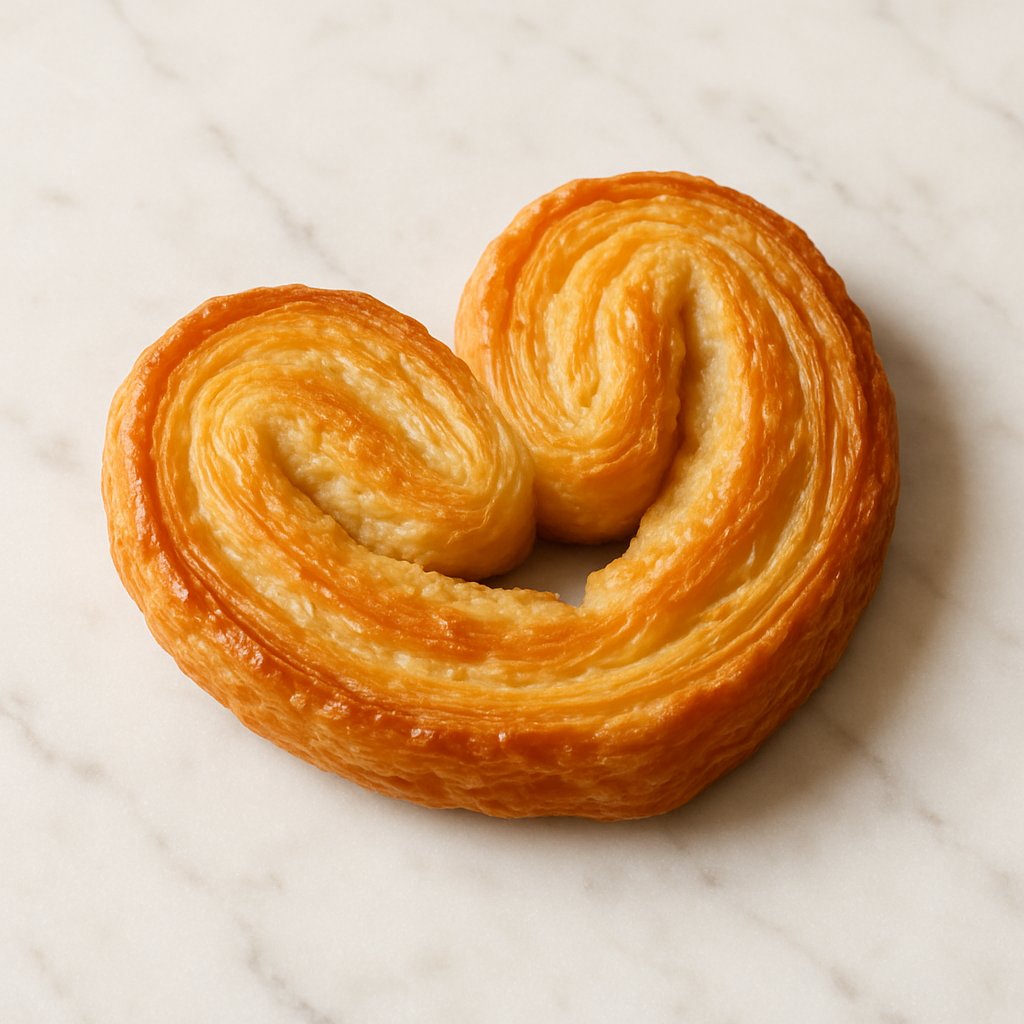
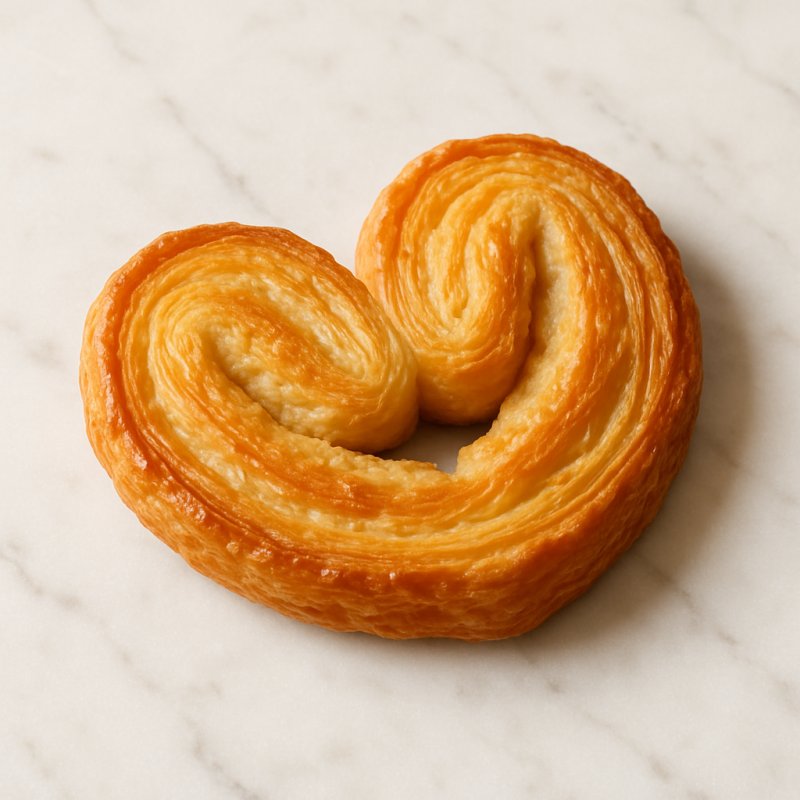
Puff pastry is a pastry made of many thin layers of dough and fat (usually butter). When baked, the dough puffs up and becomes light and crispy. This type of pastry has a long history: the technique of layering dough originated in Europe and became especially popular in countries like France and Austria. You can imagine it like a sheet of paper to which you repeatedly apply a thin layer of glue and then place another sheet on top — except here the butter ensures that air gets trapped during baking and the layers remain separated.
Puff pastry is a pastry made of many thin layers of dough and fat (usually butter). When baked, the dough puffs up and becomes light and crispy. This type of pastry has a long history: the technique of layering dough originated in Europe and became especially popular in countries like France and Austria. You can imagine it like a sheet of paper to which you repeatedly apply a thin layer of glue and then place another sheet on top — except here the butter ensures that air gets trapped during baking and the layers remain separated.
Where is puff pastry produced?
Puff pastry itself is not grown in fields, since it is a processed food. However, ingredients like flour, butter, and water come from specific regions:
Puff pastry itself is not grown in fields, since it is a processed food. However, ingredients like flour, butter, and water come from specific regions:
- Flour: Mostly derived from wheat. Wheat fields are found in many countries – Europe, North America, Russia, and parts of Asia. Flour is milled in mills and then goes to bakeries or factories.
- Butter/Fat: Comes from milk. Cows provide the milk from which butter is made. Milk and butter producers are often located in countries with many farms, for example in Europe, North America, or New Zealand.
- Water and salt: These simple ingredients come from the region where the baking takes place.
What kinds of puff pastry are there?
Puff pastry is very versatile. It can be filled sweet or savory or baked plain. Here are some well-known variants, explained simply:
Puff pastry is very versatile. It can be filled sweet or savory or baked plain. Here are some well-known variants, explained simply:
- Ready-made puff pastry (chilled or frozen): This is like a “kit” from the package. At the supermarket you can find rolls or sheets that you just roll out and bake. Very convenient because you don't have to make the layers yourself.
- Handmade puff pastry: Bakers make it by hand or with special machines, often extra crispy and fresh. It's like someone taking a photograph rather than a print — it often feels higher quality.
- Puff pastry in rolls, sheets, or squares: Depending on the shape they are good for different things: rolls are suitable for spirals, sheets for tart bases, and squares for small pockets or pastries.
- Sweet variants: For example apple turnovers, chocolate croissants, or pudding tarts. These are often filled with sugar, fruit, or chocolate.
- Savoury variants: Snacks with cheese, vegetables, meat, or sausage. For example sausage rolls — small rolls that children often like.
- Puff pastry made with special fats: Some products use vegetable fats instead of butter. This changes the flavor and sometimes makes the pastry last longer. The package may say “with butter” or “with vegetable fat” — that's the difference.
When can you find puff pastry in stores?
Puff pastry is available year-round in supermarkets. Ready-made sheets are usually found in the refrigerated section or frozen in the freezer. Fresh puff pastry goods such as croissants or pastries are found in bakeries, especially in the morning, very fresh. During festive times like Christmas or Easter there are often special shapes and fillings.
Puff pastry is available year-round in supermarkets. Ready-made sheets are usually found in the refrigerated section or frozen in the freezer. Fresh puff pastry goods such as croissants or pastries are found in bakeries, especially in the morning, very fresh. During festive times like Christmas or Easter there are often special shapes and fillings.
Simple example:
Imagine puff pastry is like building blocks: the ready-made sheets are prefabricated blocks that let you build a house quickly. If a baker makes the dough himself, he carves the blocks individually and builds a particularly beautiful house — it takes longer, but often looks better.
Imagine puff pastry is like building blocks: the ready-made sheets are prefabricated blocks that let you build a house quickly. If a baker makes the dough himself, he carves the blocks individually and builds a particularly beautiful house — it takes longer, but often looks better.
Conclusion: Puff pastry is widely available, either as ready-made sheets to bake at home or fresh from the baker. There are many types — sweet, savory, with butter or vegetable fat — and the ingredients come from regions that produce wheat and milk. So there's something for every taste and occasion.