Menu & categories

Pudding powder

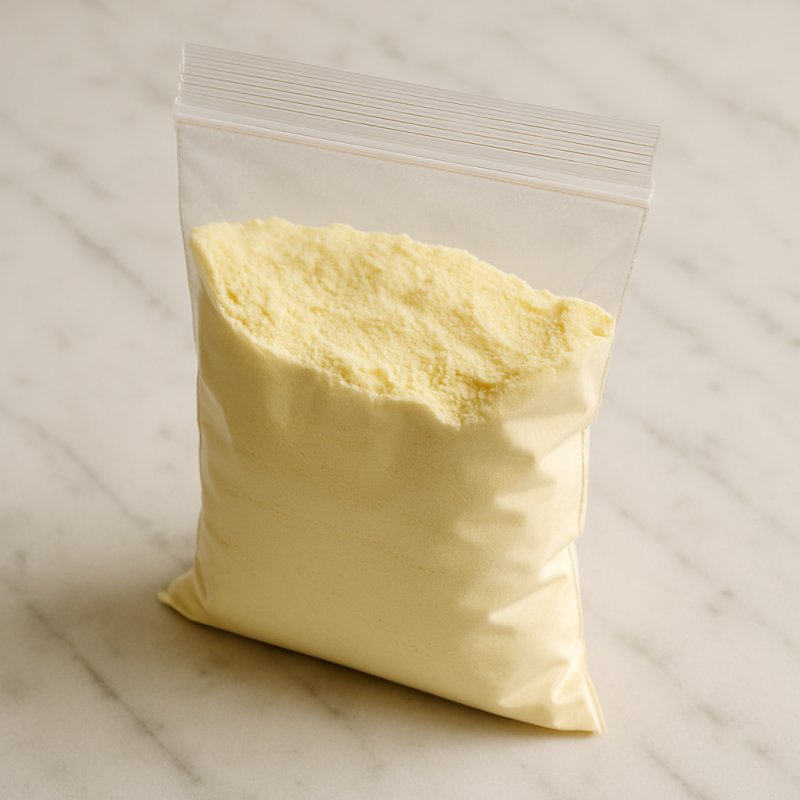
Dry mix for quick preparation of pudding

Wiki about pudding powder Nutri-Score D Vegan Yes Gluten-free Yes Lactose-free Yes Nut-free Yes
NUTRITION / 100 g
360 kcal 0.5 g Protein 90 g Kohlenhydrate 0.5 g Fett

Introduction

A small bowl of pudding powder next to a finished vanilla pudding
I still remember exactly the smell from the kitchen of my childhood: a light vanilla note rising from a pot while my mother handled spoon and bowl with calm composure. pudding powder was the unassuming little hero there, turning a few ingredients into a familiar, velvety cream. To me pudding powder feels comforting and at the same time practical; it’s the quick solution on rainy afternoons, but also the secret base for some more sophisticated desserts I tried later.

When I stand in front of the aisle with the sachets at the supermarket today, a small nostalgic pleasure overcomes me. These powders vary in flavor and in the type of starch, but their principle is simple: starch, flavoring agents, sometimes sugar and a little thickener. I especially like varieties with real Bourbon vanilla or chocolate mixes with an intense cocoa note. A colleague of mine swears by pudding powder as the base for a quick chocolate cake in a jar — and yes, it works better than you’d think.

Pudding powder is practical in many ways:

  • It sets reliably and evenly, without leaving lumps.
  • It saves time: bring the milk to a boil, stir in the powder, let it simmer briefly — done.
  • It’s versatile: from classic puddings to cake fillings or as an ingredient in ice cream.
I have also experimented with pudding powder: once I combined it with a shot of espresso, the result was surprisingly aromatic. Another time I mixed in a pinch of cinnamon and orange zest — suddenly the simple vanilla pudding became a small celebration for guests. I keep learning that the quality of the milk and the proper resting time after cooking often matter more than the most expensive powder.

In the end I appreciate pudding powder as that uncomplicated kitchen tool that evokes memories and at the same time leaves room for creativity. It’s not witchcraft, but comfort in a cup, a small recipe for everyday life and special occasions that you can rediscover again and again.

Availability & types

Availability and types

Pudding powder is easy to find in many supermarkets, small grocery stores and even online. It usually comes in small sachets or tubs, which you’ll look for in the baking or dessert aisle. Because it has a long shelf life, it is often shelved next to baking mixes, vanilla sugar or raisins. Many families keep at least one or two varieties at home because pudding is quick and simple to prepare.

What is it made of and where does it come from?
Pudding powder itself is not a plant that is grown somewhere, but a ready-made mixed product. The main components are usually starch (for thickening), sugar and flavoring (for example vanilla). The starch often comes from corn, wheat or potatoes. Corn and wheat are grown worldwide:

  • Corn: Grows mainly in large fields in countries such as the USA, China and Brazil. Cornstarch is produced from corn.
  • Wheat: Is cultivated in many parts of the world, for example in Europe, Russia and North America. Starch can also be produced from wheat.
  • Potatoes: Are common in cooler-climate regions, such as in Europe. Potato starch is another ingredient for pudding powder.
In addition, flavors and sometimes milk powder are added. Vanilla flavor can be obtained from real vanilla beans grown in tropical countries such as Madagascar or Indonesia. However, artificial vanilla flavor produced in factories is often used.

Which varieties and flavors are available?
Pudding powder is available in many flavors. The most common are:

  • Vanilla pudding: The classic. Mild, sweet and creamy, often loved by children.
  • Chocolate pudding: Darker and chocolatey in taste – like liquid chocolate, but creamy.
  • Lemon or fruit pudding: Fresh and slightly tart, reminiscent of fruit.
  • Sugar-free / light variants: For people who want to eat less sugar, there are reduced-sugar versions or ones made with sweeteners.
  • Vegan pudding: Contains no milk components and uses powdered plant milk or plant-based starches, so people avoiding animal products can also make pudding.
  • Lactose-free variants: As with vegan versions, lactose is absent here so people with lactose intolerance can tolerate the pudding.
Special variants and applications
There are also special pudding powders that do not need to be cooked. These are often called "instant pudding" or "cold preparation" and work when stirred into cold milk. Other mixes are intended for creams or cake fillings, so with the same product you can also make tarts or desserts. Additionally, some brands offer colorful or glittery varieties for children that add something special to the dessert plate.

What should you look for when buying?
When you buy pudding powder, you can pay attention to the following things:

  • The ingredient list: Anyone with allergies (e.g. to wheat) can see if the powder is suitable for them.
  • The flavor: vanilla, chocolate or fruit – depending on what you fancy.
  • Special labels like "vegan" or "lactose-free" if that matters to you.
In summary: pudding powder is easy to find and comes in many flavors. Raw materials like corn or vanilla have specific growing regions, but the finished pudding powder is mixed and packaged in factories. For almost every taste and almost every diet there is a suitable variant, so pudding remains a flexible and popular dessert for young and old.
Details & nutrition

Property Value
Unit g
Calories per 100 360
Protein per 100 0.5
Carbohydrates per 100 90
Sugar per 100 80
Fat per 100 0.5
Saturated fat per 100 0.1
Monounsaturated fat 0.1
Polyunsaturated fat 0.1
Fiber per 100 0.5
Vitamin C (mg) per 100 0
Vitamin D (IU) per 100 0
Calcium (mg) per 100 10
Iron (mg) per 100 0.1
Nutri-Score D
CO₂ footprint 1.2
Origin Europe
Gluten-free Yes
Lactose-free Yes
Nut-free Yes
Vegan Yes
Note Nutritional values refer to commercially available, sugar-containing vanilla pudding powder without adding milk or extra sugar; exact values may vary by manufacturer.

Technical & scientific information

Pudding powder is an industrially manufactured dry mix product used for the quick preparation of warm or cold puddings. It is essentially composed of a starch or modified starch fraction as thickening agent, sugar or sweeteners for flavoring, neutral fillers, as well as flavors and colorants. Frequently used starches are corn, wheat or potato starch; modern formulations sometimes employ modified starches that have been thermally or chemically treated to alter their swelling and gelling properties, ensuring a consistent gel structure and improved storage stability.

Chemical composition and mode of action
The functional basis of pudding powder is starch, a polysaccharide made up of amylose and amylopectin. When heated in the presence of water, starch granules swell, amylose partially solubilizes and forms a three-dimensional network that stabilizes the pudding’s texture. Modified starches may additionally feature branching or substitution groups that improve heat, acid and shear resistance. Emulsifiers, such as mono- and diglycerides of fatty acids, are used to stabilize fat and water phases, while acidity regulators control pH to prevent undesirable hydrolysis.

Ingredients and nutritional values
Typical ingredients are starch (40–80 % depending on the type), sugar (0–40 %), low-fat milk powder fractions in full-milk puddings, flavorings (natural or nature-identical), colorants as well as thickening and gelling aids. Optionally, casein or milk proteins can be added to improve mouthfeel properties. A standard pudding powder provides predominantly carbohydrates; the energy content varies but often lies between 350 and 400 kcal per 100 g of powder. Fat and protein contents are low in most varieties unless additional dairy products are included.

Processing methods and preparation
The powder is generally stirred into a portion of the intended liquid (water or milk) to make a smooth suspension and then added, while stirring, to the remainder of the heated liquid and brought to the boil. During heating, viscosity develops due to starch gelation. Critical process parameters are temperature, stirring speed and cooking time, since insufficient heating can lead to a lumpy texture and too short cooking to incomplete gel formation. Industrial manufacturing processes include mixing, drying, milling and, if necessary, extrusion or spray drying to produce a dust-free, free-flowing structure.

Food safety and health aspects
Pudding powder is a safe food when stored properly. Allergens may be present depending on the formulation, typically gluten from wheat starch or milk components when dairy is added; appropriate labeling is legally required. Dietary aspects concern sugar content: for people with diabetes reduced-sugar formulas or those sweetened with sweeteners are more suitable. Modified starches and additives such as emulsifiers are considered safe in approved amounts. Microbiological risks are minimal as long as the powder remains dry; prepared, cooked pudding should, however, be cooled promptly to prevent growth of bacteria such as Bacillus cereus.

Sensorial properties and technological optimization
The desired texture of a pudding — from soft-creamy to firm — can be controlled by adjusting the amylose-to-amylopectin ratio, starch quantity and additives such as gelling agents or milk proteins. Flavors and colorants provide sensory differentiation; natural flavors are increasingly in demand, although they can be more volatile and therefore need protection from moisture. From an investment and technological perspective, developments focus on reduced sugar content, improved solubility at low temperatures and the use of plant protein sources for vegan variants.

Overall, pudding powder is a versatile, well-understood food in chemical-technological terms, whose properties can be specifically controlled by selection of starch, additives and manufacturing conditions. For consumers, reading the ingredients list is important to identify allergens and sugar levels, while manufacturers continuously work on recipe adjustments to meet nutritional and sensory expectations.

Wiki entry for: pudding powder
Active now: 6 visitors of which 2 logged-in members in the last 5 minutes