Availability and types of potash
What is potash?
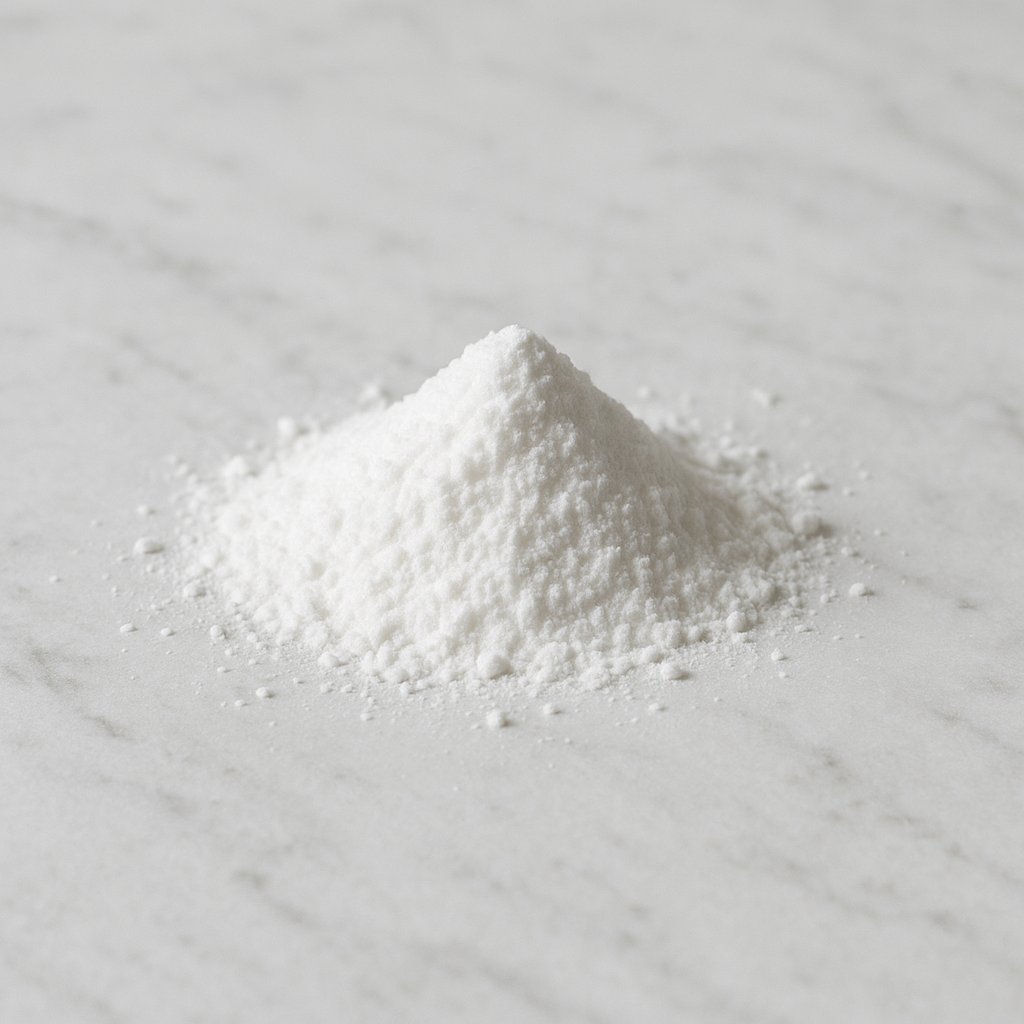
Potash is an old word for potassium compounds, especially potash carbonate (chemically: potassium carbonate, K2CO3). It used to be produced by leaching wood or plant ash with water and concentrating the liquid. Today potash is often produced industrially or sold as a specific product. It is known from the kitchen (e.g., in gingerbread), from soap or glass production, and as a component of various technical products.
Potash is an old word for potassium compounds, especially potash carbonate (chemically: potassium carbonate, K2CO3). It used to be produced by leaching wood or plant ash with water and concentrating the liquid. Today potash is often produced industrially or sold as a specific product. It is known from the kitchen (e.g., in gingerbread), from soap or glass production, and as a component of various technical products.
Where does potash come from?
Historically: potash was produced by burning wood and treating the ash with water. That process yielded something like a concentrated juice that then crystallized. It was like cooking down a syrup: you reduced the liquid until something remained.
Modern: today potassium is mostly obtained from large mines or chemical processes. There are also different kinds of potassium products that have different names and uses.
Historically: potash was produced by burning wood and treating the ash with water. That process yielded something like a concentrated juice that then crystallized. It was like cooking down a syrup: you reduced the liquid until something remained.
Modern: today potassium is mostly obtained from large mines or chemical processes. There are also different kinds of potassium products that have different names and uses.
Main mining and production regions (or producing countries)
Potash in the old sense does not grow – it is extracted. The main places where potassium is mined or produced in large quantities are countries with large salt and mineral deposits. These include:
Potash in the old sense does not grow – it is extracted. The main places where potassium is mined or produced in large quantities are countries with large salt and mineral deposits. These include:
- Canada – in particular the province of Saskatchewan is a very large producer.
- Russia and Belarus – there are large potash mines there.
- Germany – regions with potash deposits also mine and process it locally.
- China and Poland – also important producers.
What varieties and variants exist?
It is important to know that there are several related substances that often sound similar but are used differently. Simply put, the main variants are:
It is important to know that there are several related substances that often sound similar but are used differently. Simply put, the main variants are:
- Food potash (potassium carbonate, K2CO3) – this is the variety used in specific baking recipes, for example for traditional gingerbread. It is fine and used in small amounts.
- Potash lye (potassium hydroxide, KOH) – this is a strong lye, chemically very active. It is used in industry and sometimes in soap making, but it is not suitable for consumption.
- Potash fertilizers (e.g., potassium chloride, KCl) – this is what farmers often call “potash.” It is used as a fertilizer in large quantities and is not a food product; it has different properties than the potash used for baking.
- Technical and laboratory grades – for industry and science there are pure substances with different purities: "reagent" for labs, "technical" for industry and "food grade" for food use.
Where can you buy potash?
- Small amounts of food potash can be found in well-stocked baking shops, health food stores, or online.
- Technical or laboratory grades are available from chemical suppliers or specialized vendors.
- Potash fertilizers are sold at garden centers or agricultural suppliers.
Always pay attention to the designation: for baking use only food grade products, do not take anything from the large fertilizer bag or industrial lye into the kitchen.
- Small amounts of food potash can be found in well-stocked baking shops, health food stores, or online.
- Technical or laboratory grades are available from chemical suppliers or specialized vendors.
- Potash fertilizers are sold at garden centers or agricultural suppliers.
Always pay attention to the designation: for baking use only food grade products, do not take anything from the large fertilizer bag or industrial lye into the kitchen.
In summary: potash has a long history from wood ash to modern chemistry. There are different types – from the small packet for gingerbread to the big bag of fertilizer – and the major producing countries are those with salt and potash deposits such as Canada, Russia, China or Germany. When buying, always check which type you need so it can be used safely and correctly.