Menu & categories

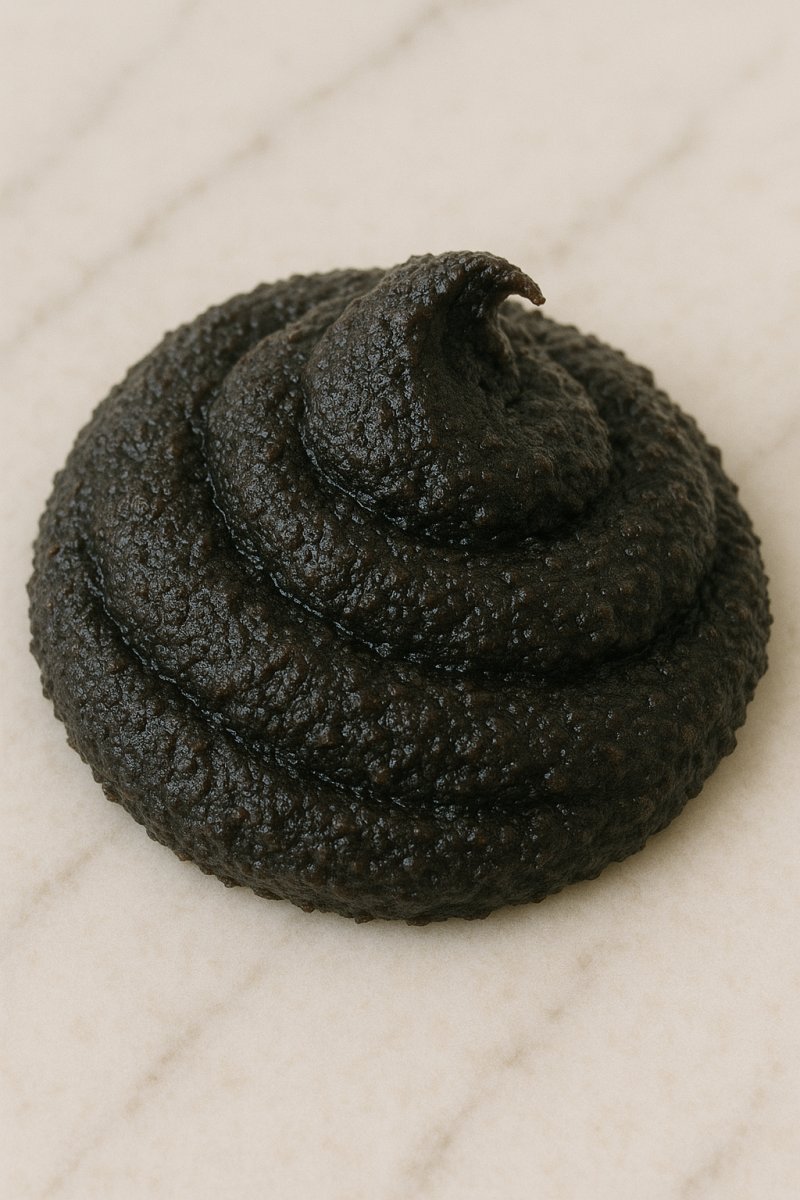
Poppy seed filling

Ready-to-bake poppy seed filling for cakes, strudels and pastries

Wiki about poppy seed filling Nutri-Score D Vegan Yes Gluten-free No Lactose-free Yes Nut-free Yes
NUTRITION / 100 g
350 kcal 7 g Protein 40 g Kohlenhydrate 18 g Fett

Introduction

Ready-to-bake poppy seed filling in a bowl
I still remember the first scent that catapulted me back to a Sunday afternoon of my childhood: sweet, nutty and a little mysterious. That scent came from poppy seed paste, the dense, aromatic paste made from ground poppy seeds, sugar and fat, which used to be on the table at every family celebration. I was fascinated by how much flavor could come from inconspicuous poppy seeds, and since then poppy seed paste has accompanied me in the home kitchen like a faithful, slightly quirky friend.

What makes poppy seed paste so special is its versatility. In my pantry there's always a jar ready to fill sweet yeast doughs, to refine cakes or to serve as a surprising spread for bread. A colleague of mine swears by putting a dollop of it into his yogurt when he has a craving for something sweet, without immediately reaching for chocolate. I've learned that quality and freshness are crucial: freshly ground poppy seeds smell almost like hazelnuts, while older pastes can sometimes become more bitter.

Preparing poppy seed paste is a small art in itself. Traditionally, poppy seeds are ground very finely and mixed with sugar and warm fat, often butter or margarine, into a spreadable mass. You can play with flavors: citrus zest, vanilla or a splash of rum enhance the aroma, while a hint of cinnamon can evoke nostalgic associations. In my version, roasted hazelnuts once ended up in the poppy seed paste after I stumbled across a forgotten variation while leafing through old cookbooks — the result was so good that the cooking group was speechless during the break.

I've gathered practical tips over the years. Store poppy seed paste cool and airtight, preferably in small jars, so it doesn't go rancid. When working with it, a little warm milk or herbal liqueur often helps to make the paste more supple. When I bake braided yeast loaves or poppy-seed rolls, I spread the paste evenly with a spatula so that each portion gets the right balance of sweetness and nutty poppy flavor.

For me poppy seed paste is more than an ingredient; it's a piece of culinary memory that turns simple recipes into something special. It connects generations, invites experimentation and repeatedly provides small moments of happiness at the coffee table. So when I open the jar and that familiar scent rises, I know: it's time to bake, share and enjoy.

Availability & types

Availability and types of poppy seed paste

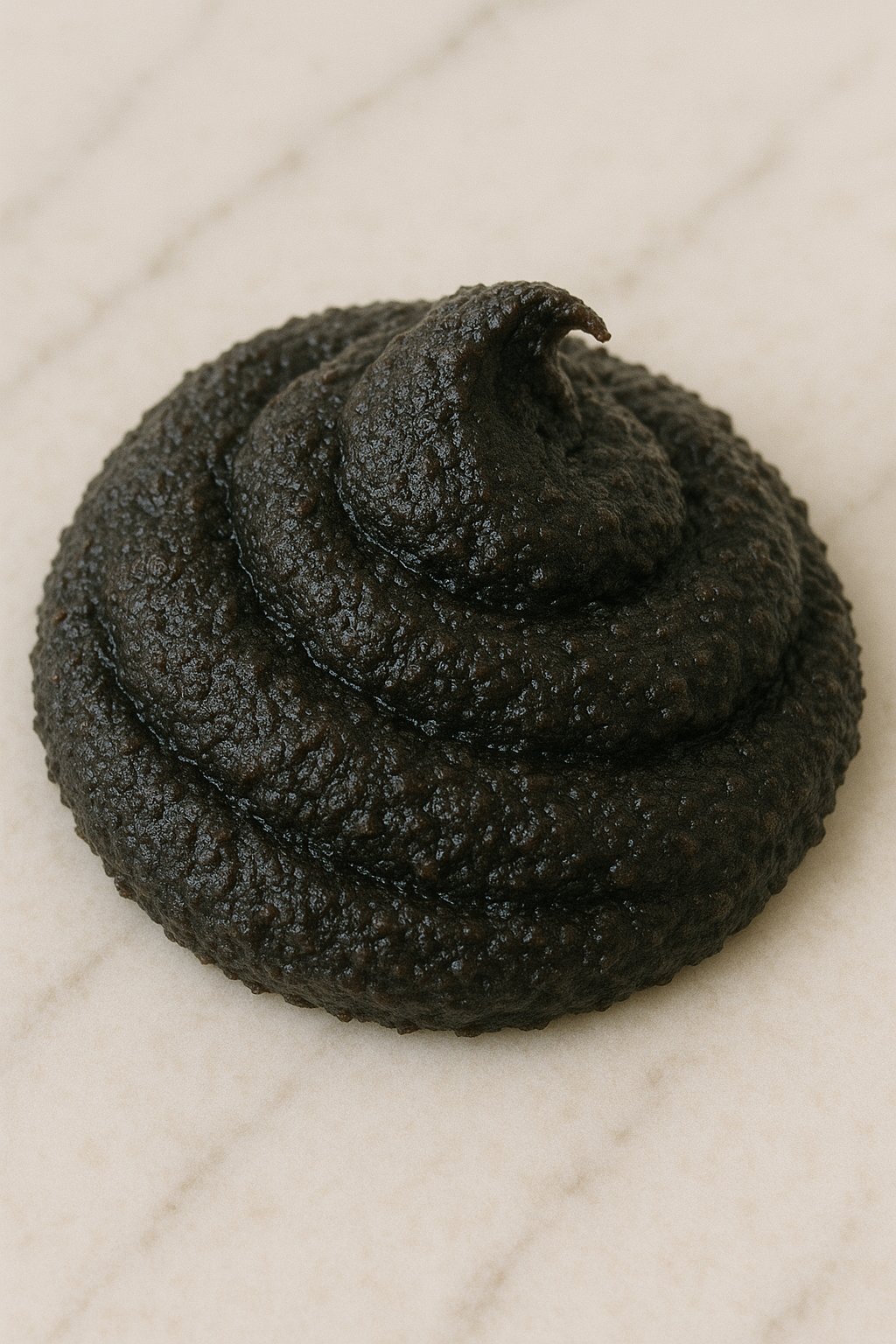
What is poppy seed paste? Poppy seed paste is a soft, usually ready-to-use mass made from ground poppy seeds, sugar and often some fat or water, which is used for fillings when baking. You can think of poppy seed paste like a ready-made paste, similar to peanut butter, except that it tastes of poppy and looks darker. This paste makes baking faster because you don't have to grind the poppy yourself or mix it with sugar.

Where does the poppy come from? The poppy seeds used to make poppy seed paste come from a flower called opium poppy. These plants grow in many parts of the world. Major growing regions are:

  • Europe: Countries like Poland, Hungary, the Czech Republic and Austria cultivate a lot of poppy. In Central Europe poppy is very popular in cooking and baking.
  • Asia: In parts of China and Turkey poppy is also cultivated. These regions often supply large quantities for the food industry.
  • North America: Poppy is also grown in the USA and Canada, although on a smaller scale compared to Europe.
You can imagine the growing regions like different orchards: each country has its own climate and soils, so poppy grows a bit differently there and sometimes has a slightly different taste.

What varieties and versions of poppy seed paste are there? Poppy seed paste is not always the same. There are different variants that suit different recipes or preferences better. Here are some typical types:

  • Cooked or ready-to-use poppy seed paste: This variant is already sweetened and soft. You can use it directly from the package to fill cakes or rolls. It's practical when you want to bake quickly.
  • Dry poppy-seed filling (filling to be mixed): This is a mixture that still needs to be stirred with milk or water. It keeps longer on the shelf and is practical if you want to adjust the sweetness yourself.
  • Coarsely or finely ground poppy seed paste: Some poppy seed paste products still have small pieces of poppy, others are very fine and creamy. It's similar to jam, which can be chunky or smooth.
  • With additives: Some variants contain additional ingredients like lemon zest, vanilla or marzipan flavor. There are also lower-sugar or vegan varieties without animal additives.
Where can you get poppy seed paste? Poppy seed paste is available in supermarkets, organic shops and specialty bakery stores. You can find it on the shelf with baking ingredients or with international sweets. Online shops also offer many varieties, so you can order special types that may not be in stock in stores.

Tips for buying: When you buy poppy seed paste, check the expiration date and the ingredients. For children or people who prefer less sugar, the reduced-sugar varieties are practical. Those who place particular value on origin can look for organic products or pay attention to the country of origin.

In summary: poppy seed paste is a practical poppy paste made from poppy seeds. It comes from regions like Europe and Asia, is available in different varieties — ready-made, to be mixed, coarse or fine — and can be easily found in supermarkets or online. The variety is large, so for every taste and recipe there is a suitable variant.
Details & nutrition

Property Value
Unit g
Calories per 100 350
Protein per 100 7
Carbohydrates per 100 40
Sugar per 100 30
Fat per 100 18
Saturated fat per 100 2
Monounsaturated fat 6
Polyunsaturated fat 10
Fiber per 100 10
Vitamin C (mg) per 100 0
Vitamin D (IU) per 100 0
Calcium (mg) per 100 140
Iron (mg) per 100 6
Nutri-Score D
CO₂ footprint 2.3
Origin Europe
Gluten-free No
Lactose-free Yes
Nut-free Yes
Vegan Yes
Note Nutritional values for commercially available, ready-to-bake poppy seed filling (sweetened poppy seed filling); exact values may vary depending on manufacturer and recipe.

Technical & scientific information

Poppy seed paste is a processed poppy ingredient that is primarily used as a ready-made filling in bakeries and confectionery. Poppy seed paste usually consists of ground or finely crushed poppy seeds, sugar and fats and occasionally plant-based binders, flavorings and preservatives. Industrial processing produces a spreadable, homogeneous mass that can be easily incorporated into doughs, piped or spread.

Raw material and composition
The basis of poppy seed paste are the seeds of the opium poppy (Papaver somniferum). Poppy seeds no longer contain relevant amounts of opioids, since these primary alkaloids are predominantly concentrated in the latex and seed capsule fractions and are further reduced by cleaning and heat treatments. Chemically, poppy seed paste mainly consists of:

  • Polyunsaturated fatty acids, especially linoleic acid, which makes up the largest share of the seed's fat profile.
  • Proteins, whose amino acid composition for a plant by-product typically provides limited amounts of essential amino acids.
  • Carbohydrates including fiber and a certain residual of soluble and insoluble polysaccharides.
  • Minerals such as calcium, magnesium, iron and phosphorus, which occur relatively abundantly in poppy.
  • Vitamins in small amounts, particularly B vitamins and vitamin E as an antioxidant component in the fat fraction.
Nutritional values
The energy density of poppy seed paste is high due to the fat and sugar content. Per 100 g typical nutritional values are in the range of 500–650 kcal, depending on the exact recipe. The fat content can be 30–50 g/100 g, carbohydrates including sugars 30–40 g/100 g and protein 10–20 g/100 g. These values vary with the mixing ratio of seeds to sugar and added fat.

Production and processing methods
Industrial production includes several steps: cleaning and, if necessary, heat treatment of the seeds, grinding (first coarse, then fine), homogenization with sugar and fats as well as emulsifiers, heat treatment for stabilization and filling. During grinding cell walls are broken, which favors the release of aroma and oil. Emulsifiers and vegetable oils stabilize the creamy consistency and improve workability, while pasteurization or short-term heating ensure microbiological stability.

Sensory and technological properties
Poppy seed paste delivers an intense, nutty-bitter aroma and a dark, fine-grained texture. The presence of oils affects the freshness retention of baked goods, but can also pose a risk of oxidation, which is why antioxidants such as vitamin E or ascorbyl palmitate are used. The sugar concentration contributes to stability and texture; it also affects the freezing and thawing behavior in deep-frozen products.

Health aspects
As a plant ingredient poppy seed paste provides valuable fatty acids, fiber and minerals, so moderate consumption can contribute to a balanced diet. Because of the high energy and sugar content, however, attention should be paid to calorie intake when consumed frequently or in large portions. Allergic reactions to poppy are rare but possible. Another practical point is residues of alkaloids. Industrially produced poppy products are subject to controls to ensure that residues are below legal limits, so no psychoactive effect is to be expected from approved products.

Storage and food safety
Poppy seed paste should be stored protected from light, cool and dry to avoid rancidity of the fat fraction and microbial spoilage. After opening many products should be consumed within a few weeks or kept refrigerated. Shelf life depends on sugar and fat content, additives and packaging. Manufacturer information on best-before date and storage recommendations should be observed.

Poppy seed paste thus represents a practical, flavor-intensive ingredient that can be used in a variety of ways in bakeries and home kitchens. Its technical properties and nutrient profiles make it an energy-dense component with nutritional advantages and typical limitations that can be managed by appropriate usage amounts and proper storage.

Wiki entry for: poppy seed filling
Active now: 18 visitors of which 2 logged-in members in the last 5 minutes