Availability and types of zwetsches
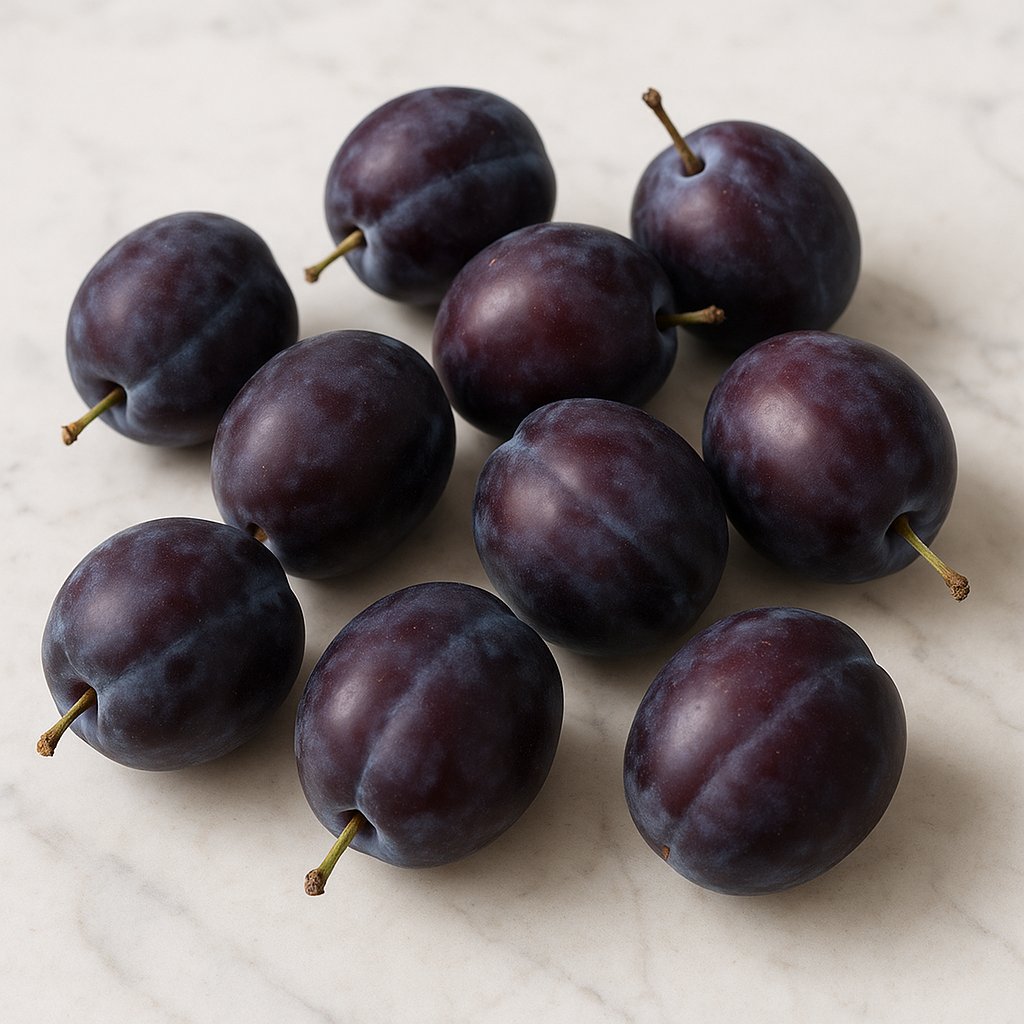
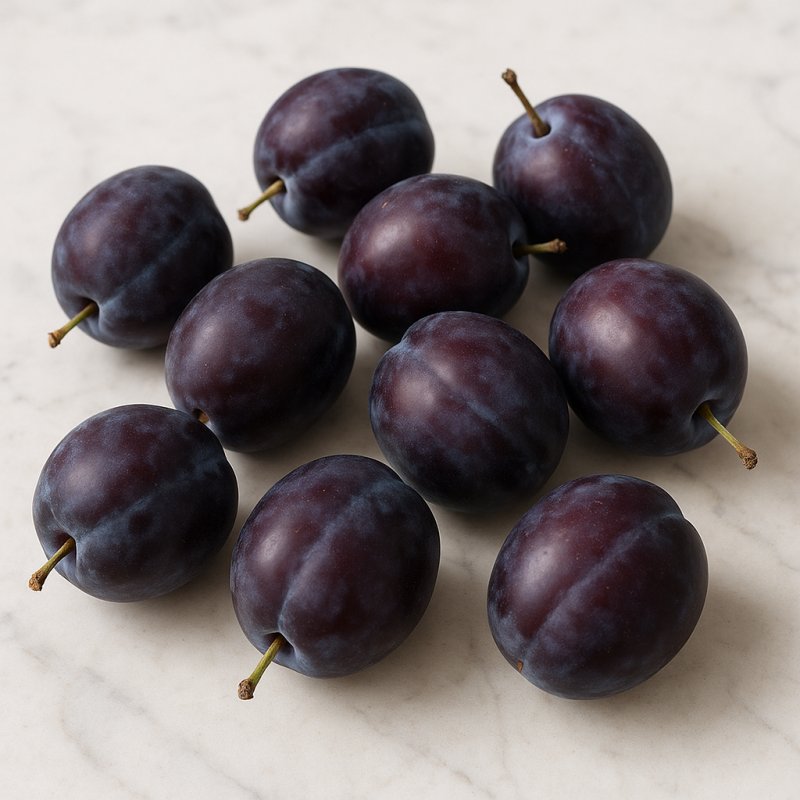
Zwetsches are a particular kind of plum. They are recognised by their elongated shape, thin skin and firm flesh. They are especially popular for baking, preserving and drying because they do not break down as much when heated as some round plums. Here I explain in simple terms where zwetsches come from, where they are grown and which varieties and forms exist.
Origin
Zwetsches originally come from Europe and the area around present-day Anatolia (which is part of southeastern Europe and western Asia). Many centuries ago people selected the best trees and propagated them – this produced different varieties. You can imagine it like with dogs: from a basic type, many different "breeds" with different characteristics arose through selection.
Zwetsches originally come from Europe and the area around present-day Anatolia (which is part of southeastern Europe and western Asia). Many centuries ago people selected the best trees and propagated them – this produced different varieties. You can imagine it like with dogs: from a basic type, many different "breeds" with different characteristics arose through selection.
Growing regions
Zwetsches grow best where summers are warm and winters not too severe. Typical growing regions in Europe are:
Zwetsches grow best where summers are warm and winters not too severe. Typical growing regions in Europe are:
- Germany: regions like the Palatinate, Baden-Württemberg, Rheinhessen and the Rhineland.
- Austria and Switzerland: many home gardens and smaller plantations.
- France: particularly the area around Agen (known for dried plums).
- Eastern Europe: countries like Hungary, Romania and some Balkan states.
- Turkey and the USA: there are also larger cultivation areas there.
Zwetsches are also found in many gardens: they are popular fruit trees for home use.
Available varieties and types
Zwetsches come in many varieties. Some ripen early in summer, others only in autumn. Here are the main types, explained so children can understand:
Zwetsches come in many varieties. Some ripen early in summer, others only in autumn. Here are the main types, explained so children can understand:
- Early varieties: these zwetsches ripen earlier, often already in July or August. They are practical if you want to eat zwetschgen cake early.
- Late varieties: ripen later, usually in September or October. They often have a stronger flavour.
- Drying varieties (baking and drying zwetsches): certain varieties are particularly suitable for drying. When water is removed from the fruit, dried plums or "baking zwetsches" are produced, which are more shelf-stable.
- Garden or table varieties: these are juicier and taste good fresh from the tree.
Examples of variety names you might hear in trade or from fruit growers are 'Hauszwetschge', 'Bühler Frühzwetschge' or 'Agen', but names may vary by region. Importantly: zwetsches are usually dark blue to purple and firm inside, making them excellent for cakes, compotes and jam.
Season and availability
Fresh zwetsches are mainly available from late summer to autumn. Outside this time you can buy them as preserved (i.e. in jars) or dried fruit – these variants are available year-round. Frozen zwetsches are also a practical choice when you want to bake or cook later.
In summary: zwetsches come from Europe and surrounding areas, grow in many countries and come in many varieties – for fresh eating, baking or drying. If you want to eat zwetsches out of season you will find them fresh in season or processed all year round.