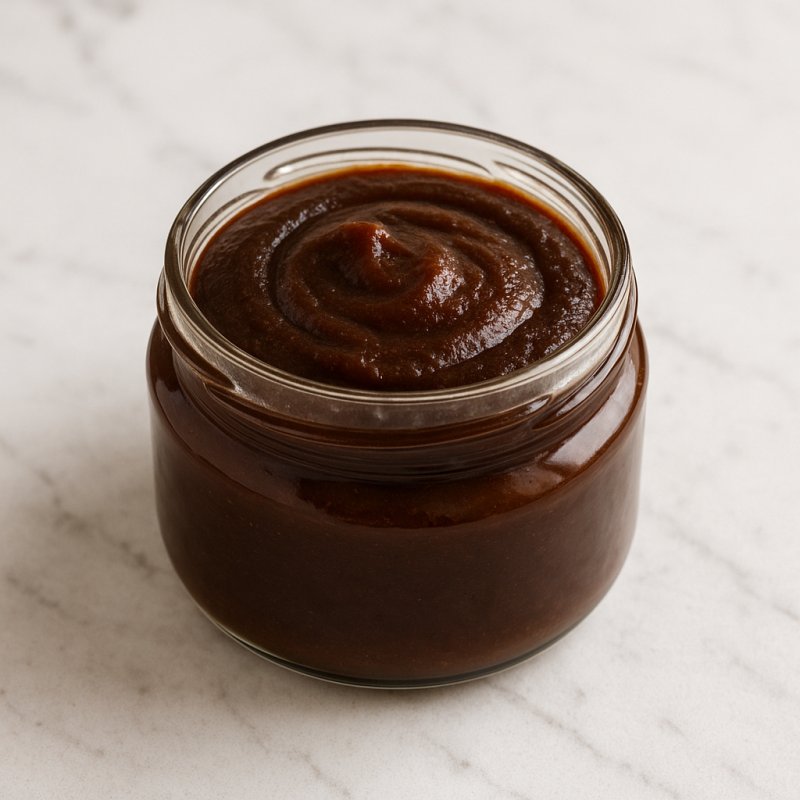
Availability and types of plum jam are easier to understand than they sound. Plums originally come from Europe and Asia; people have cultivated different plum species for many centuries. The best-known European variety is called the Zwetschge (sometimes also just 'Zwetschg’') and it is often used to make the typical plum jam. There is also the Japanese plum, which yields larger, juicier fruits, and different variants arise from it.
Growing regions – where does plum jam come from? In Europe many plum trees grow in regions with a mild climate. Especially many plums come from:
- Germany: regions such as the Pfalz, Rheinhessen, Baden-Württemberg and Hessen are known for plums and zwetschgen.
- Central Europe: countries like Poland, Austria and Switzerland also produce many plums.
- Southeast and Central Asia: these are the origins of plums, and many varieties still come from these countries today.
Fresh plums are mainly available in late summer and early autumn. That is the best time to make plum jam at home. Filled jars and industrial products are available year-round in supermarkets.
Available types and variants – plum jam is not always the same. You can buy it or make it yourself in different ways. Some important differences are:
- By fruit variety: Zwetschgenmus (from zwetschgen) is dense and aromatic; plum jam can be made from other plum types and often tastes somewhat fruitier or sweeter.
- Consistency: there is smooth jam (without pieces) and chunky jam (with small fruit pieces). Smooth jam is reminiscent of applesauce but is usually darker and more intense.
- Sugar content: some variants are very sweet, others contain less sugar or are made with honey or sweeteners.
- Seasonings: plum jam is often flavored with cinnamon, vanilla or a bit of rum. That gives the jam a warm note – similar to holiday baked goods.
- Organic and regional: there are organic varieties where chemical inputs are avoided in cultivation, and small producers often offer regional plum jam made in-house.
- Special editions: some jars contain nuts, orange peel or are extra concentrated (thicker) – like a spread with a special addition.
Where to find plum jam? You can buy it in supermarkets, at farmers' markets, in farm shops or online. Fresh plum jam from farmers often tastes more intense than mass-market products. It is usually packaged in glass jars (easy to see and reusable), but sometimes also in tubes or small portion jars.
One last simple tip: if you open a jar and store it in the refrigerator, it will stay good for several weeks. Unopened, plum jam often keeps for a long time in the pantry. That way you always have the fruity jam on hand — whether for bread, pancakes or as a sweet side for cakes.
