Availability and types
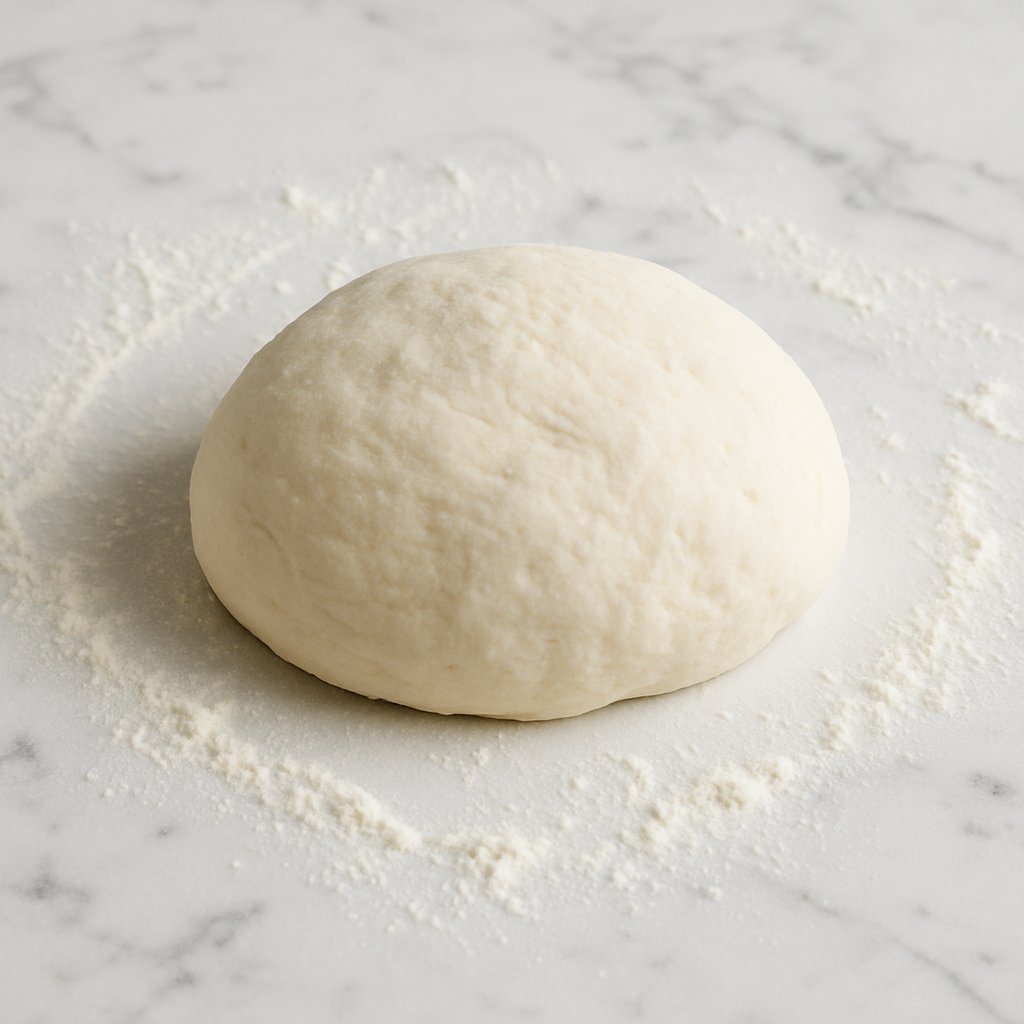
Pizza dough is a very common kitchen ingredient that you can buy almost anywhere or make yourself. It is usually made from flour, water, yeast, salt and a little oil. Because these basic ingredients are easy to obtain, pizza dough comes in many variants: fresh, frozen, par-baked or as a ready mix. If you go to a supermarket you will often find several types side by side – similar to different kinds of bread. Bakeries or pizzerias often prepare dough fresh, while supermarkets tend to offer simple, quick-to-use forms.
Origin and growing regions
The most important raw material for pizza dough is wheat flour. Wheat is grown in fields all over the world: in Europe, North America, South America, Asia and Australia. In Europe countries like France, Germany and Italy are large wheat producers. Italy is especially well known because the classic pizza originated there. You can imagine it like apples: depending on where they grow they taste slightly different – the same applies to wheat. The flour made from the wheat determines much of the dough's flavor and structure.
Available types and variants
There are many kinds of pizza dough. Here are some you will easily recognize:
- Regular wheat dough: The classic pizza dough, soft and elastic. It is often used in pizzerias and is suitable for most pizzas.
- Whole grain dough: Made from wholemeal flour – flour that uses the whole grain including the bran. Whole grain dough is slightly darker and has a nuttier flavor. It is healthier because it contains more fiber.
- Spelt dough: Instead of wheat, spelt flour is used. Spelt is a type of grain that some people tolerate better. The dough has a slightly different taste, often a bit milder.
- Gluten-free dough: For people who cannot tolerate gluten, there are doughs made from rice, corn, buckwheat or mixed gluten-free flours. These crusts are different in texture, sometimes crumblier, but still tasty.
- Frozen ready dough: Practical for home: it is already prepared and only needs to be rolled out or thawed. It saves time.
- Par-baked bases (backtrays): These bases have been baked once and only need to be reheated. They are like ready-made cake bases – quick and easy.
- Fresh dough from the bakery: If you care about flavor, buy fresh dough at the bakery or pizzeria. It is usually more aromatic and can proof better (that is: become light and airy).
- Special variants: Some doughs are flavored with herbs, garlic or olive oil. There are also thick “Sicilian” or thin “Neapolitan” doughs – the shape and thickness change the mouthfeel, similar to thin crêpes compared to thick pancakes.
Overall pizza dough is very versatile: you can make it yourself, buy it ready, or choose special forms – depending on how much time you have and how you like your pizza. That way almost everyone finds the dough that fits their preferences.