Menu & categories

Piadina

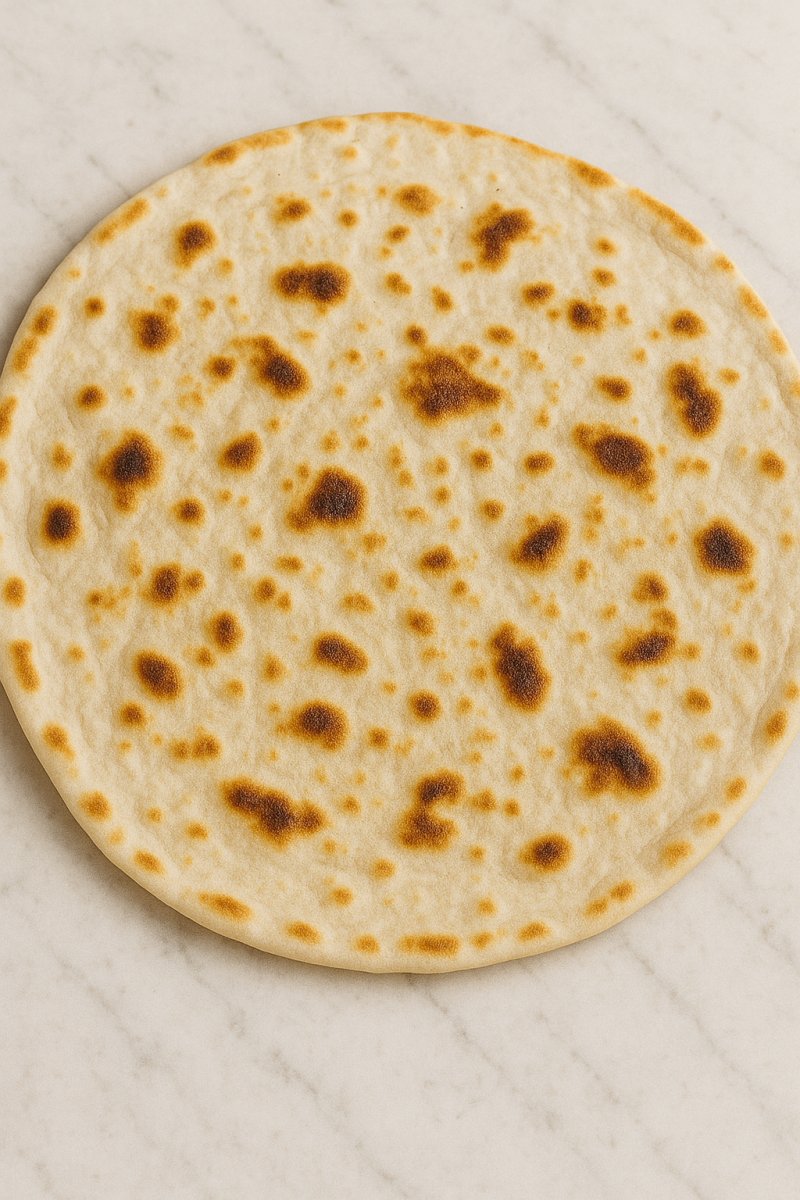
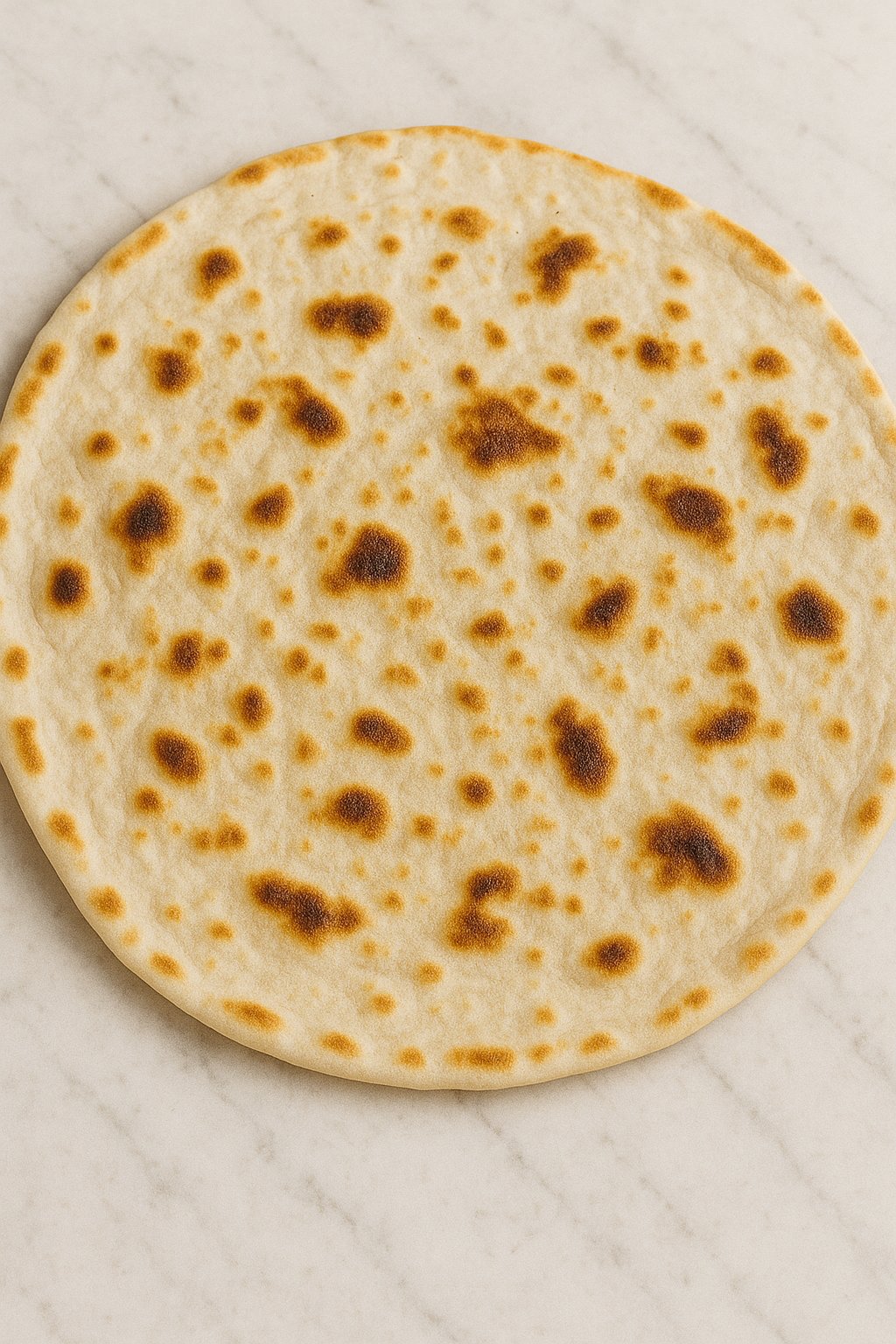
Thin Italian flatbread made from wheat flour

Wiki about piadina Nutri-Score D Vegan Yes Gluten-free No Lactose-free Yes Nut-free Yes
NUTRITION / 100 g
310 kcal 8.0 g Protein 50.0 g Kohlenhydrate 8.0 g Fett

Introduction

Piadina flatbread from Italy
I still remember the first bite of a Piadina: warm, slightly crisp at the edge and at the same time so soft that it tasted almost like a hug. I was at a market stall in Emilia-Romagna, the air was full of freshly fried dough and Parmesan, and a vendor wrapped a Piadina with prosciutto and arugula for me as if it were a small gift. That encounter left a lasting mark on my culinary curiosity and since then the Piadina has been one of the dishes I keep seeking out.

The Piadina is a traditional flatbread from northern Italy, made from a few simple ingredients: flour, water, salt and fat – often lard or olive oil. Despite this simplicity it unfolds a surprising flavor profile and is served in the region with a wide variety of fillings. I've had it savory with cheese and ham, but also sweet, with Nutella and fresh figs, and each version had its own little story.

What fascinates me about the Piadina is its versatility and the sense of familiarity it conveys. It is perfect as a quick snack on the go, as a festive dish for a family picnic, or as a creative base for a dinner with friends. A colleague from Bologna once showed me how to warm the Piadina on the hearth grate to get that slight smoky note – a simple technique that immediately changes the flavor.

For anyone wanting to try their hand in the kitchen, the Piadina is a great starting point. The dough is straightforward, can be made in minutes and requires little resting time. When rolling it out you can let your imagination run free: thin and crisp or a bit thicker and softer, according to preference. I love testing different flours to discover nuances in texture and aroma.

  • Typical ingredients: Flour, water, salt, fat (lard or olive oil)
  • Popular fillings: Prosciutto, Stracchino, arugula, cheese, vegetables
  • Serving suggestions: warm, fresh off the grill, as street food or at a picnic
In the end, to me the Piadina is more than just a flatbread: it is a small piece of Italian joie de vivre that can easily be recreated at home and keeps giving new enjoyable moments.

Availability & types

Availability and types

The Piadina is a flatbread from Italy that is especially popular in the Emilia-Romagna region. You can think of the Piadina as a thin, soft slice of bread that is eaten warm, rolled or folded like a sandwich. Originally it was baked at home by peasant families with a few ingredients: flour, water, salt and some fat. Today Piadina can be found in many supermarkets, bakeries and street stands – both in Italy and in many other countries.

Origin and growing areas
The Piadina comes from northern Italy, more precisely from Emilia-Romagna, and especially from the area around the towns of Ravenna, Rimini and Forlì. The ingredients for Piadina are usually flour (i.e. milled cereals), water, salt and fat. The flour often comes from wheat, which is grown in Italy and many other countries. In Italy cereal fields are particularly common in plains and mild climates, where sun and rain are well distributed. Today wheat is also grown in Germany, France, the USA and other countries, so flour for Piadina is widely available.

Available types and variants
Piadina exists in several variants. Some are very simple, others include special ingredients or are prepared in particular ways. Here are the most common types, explained simply:

  • Classic Piadina: The typical variant made from flour, water, salt and lard or olive oil. It is soft and easy to roll or fold. It is often eaten with cheese, ham or salad.
  • Wholegrain Piadina: This version is made with wholegrain flour. Wholegrain flour contains more of the outer parts of the kernel, so it is darker and more filling. It is considered "healthier" because it contains more vitamins and fiber.
  • Gluten-free Piadina: For people who cannot tolerate gluten (a protein in wheat), there are gluten-free variants made from rice, corn or buckwheat flour. They taste slightly different but are useful for allergy sufferers.
  • Filled Piadina: Sometimes the Piadina is filled during baking or afterwards with ingredients such as vegetables, meat, cheese or sweet fillings. It is like a sandwich made with a thin bread.
  • Regional specialties: In different places there are small differences – for example thinner or thicker, with lard or with olive oil. These differences are like dialects in a language: all are Piadina, but each place has its own style.
Where to get Piadina
- In Italy: almost everywhere – in supermarkets, bakeries, specialty shops and at street stands.
- Abroad: in international supermarkets, delicatessens or in restaurants offering Italian cuisine.
- Make it yourself: many people bake Piadina at home with a few ingredients; it's quick and fun.

Imagine the Piadina as a flat, soft pancake you can fold and fill like a handkerchief – sometimes savory, sometimes sweet. Because the ingredients are simple and wheat flour is grown in many countries, Piadina is easy to find and available in many versions, so there is something for almost every taste.
Details & nutrition

Property Value
Unit g
Average weight per piece 80
Calories per 100 310
Protein per 100 8.0
Carbohydrates per 100 50.0
Sugar per 100 2.0
Fat per 100 8.0
Saturated fat per 100 2.0
Monounsaturated fat 4.0
Polyunsaturated fat 1.0
Fiber per 100 2.5
Vitamin C (mg) per 100 0
Vitamin D (IU) per 100 0
Calcium (mg) per 100 20
Iron (mg) per 100 1.2
Nutri-Score D
CO₂ footprint 1.2
Origin Italy
Gluten-free No
Lactose-free Yes
Nut-free Yes
Vegan Yes
Note Typical Italian flatbread made from wheat flour, water, fat (e.g., olive oil or lard) and salt; details may vary slightly depending on the recipe and manufacturer.

Technical & scientific information

Piadina (also Piadina Romagnola) is a flat Italian flatbread from the Emilia-Romagna region, traditionally produced from a few basic ingredients. Classically the dough consists of wheat flour, water, lard or olive oil, salt and a leavening agent in the form of bicarbonate of soda or baking powder; modern recipes often work without yeast, so Piadina is more of an unleavened dough product. Preparation involves kneading to a homogeneous mass, rolling into thin discs and cooking on a hot metal or stone plate (testo, teglia or piastra), where the high heat produces a short-term gelatinization of the starch and a slight Maillard reaction at the surface.

Chemically, Piadina is mainly composed of:

  • Carbohydrates: mainly starch from the wheat flour, which swells on heating and partially gelatinizes at about 60–80 °C. Starch consists of amylose and amylopectin; their ratio influences texture and crumb formation.
  • Proteins: in particular gluten proteins (gliadin and glutenin), which form an elastic network through kneading and give Piadina its extensibility. Protein expression depends on flour type and gluten strength.
  • Fats: added fats (lard, butter or olive oil) act as plasticizers, increase dough extensibility, delay starch retrogradation and contribute to flavor.
  • Minerals and salt: salt regulates flavor and gluten development, while minerals are present in small amounts from flour and additives.
  • Water: as a dispersion medium for protein and starch systems, water is essential for dough formation and cooking processes.
Typical nutritional values of a Piadina (per 100 g, varying with recipe) are roughly 250–320 kcal, 8–10 g protein, 6–12 g fat and 35–50 g carbohydrates. Fat content varies greatly depending on the use of lard or oil. Wholegrain variants increase fiber and micronutrients; gluten-free variants replace wheat flour with corn, rice or legume flours, which change amino acid composition and texture.

Processing methods significantly influence Piadina texture and shelf life. Longer dough resting promotes better hydration and relaxation of the gluten network, making rolling easier. During heating, high temperatures lead to rapid crust formation and incomplete starch gelatinization in the interior, which preserves the characteristic soft, supple inner structure. Oils and fats prevent excessive sticking and reduce moisture loss during baking.

From a food science perspective there are some nutritional aspects to consider. Piadina provides rapidly available energy through easily digestible starch, which makes it practical for active people. The content of saturated fatty acids increases when animal fats like lard are used, whereas olive oil raises the share of monounsaturated fatty acids, associated with positive effects on lipid profiles. Wholegrain variants deliver more fiber, which can moderate the glycemic response. For people with celiac disease or gluten intolerance, classic Piadine are not suitable; gluten-free formulations must be functionally optimized, e.g. through hydrocolloids (e.g., xanthan) or protein additions to compensate for lower structure and elasticity.

Food safety and storage: freshly baked Piadine have limited shelf life, since high moisture contents can promote microbial growth. Cooler, drier storage or controlled packaging extend shelf life. Industrial variants often use preservative measures or heat treatments to prolong shelf life. Sensory-relevant reactions such as lipid oxidation (during extended storage) can impair aroma and quality.

Overall, Piadina is a technically simple but functionally sensitive product whose properties strongly depend on flour quality, fat source, water content and thermal treatment. By targeted choice of ingredients and process parameters, texture, nutritional profile and shelf life can be influenced, allowing both traditional and nutrition-optimized variants.

Wiki entry for: piadina
Active now: 6 visitors of which 2 logged-in members in the last 5 minutes