Availability and Types
Peppermint is a very well-known herb that you can find in many parts of the world. Originally it comes from Europe and West Asia, but people brought it to other countries because it smells and tastes so good. You can imagine it like a popular friend that many families invite: peppermint is now at home everywhere.
Growing regions
Peppermint grows best in places with a temperate climate — so not too hot and not too cold. Major growing regions are for example:
Peppermint grows best in places with a temperate climate — so not too hot and not too cold. Major growing regions are for example:
- Europe: Countries such as the United Kingdom, Germany and France grow a lot of peppermint.
- North America: In the USA and Canada peppermint is grown in large quantities for tea and sweets.
- Asia: In parts of Asia, for example China, peppermint is also grown in fields.
In the garden or on the balcony anyone can plant peppermint. It likes moist soil and grows quickly, almost like a small green carpet.
Available varieties and types
There is not just one peppermint. Some varieties are stronger in flavor, others milder. Here are the most important types, explained like simple family members:
There is not just one peppermint. Some varieties are stronger in flavor, others milder. Here are the most important types, explained like simple family members:
- Peppermint (Mentha × piperita): This is the "classic" peppermint often used in toothpaste, tea and sweets. It is a hybrid between water mint and spearmint — like a child of two different parents.
- Spearmint (Mentha spicata, often called spearmint): This variety tastes somewhat sweeter and is milder than peppermint. Children often like it in chewing gum or ice cream.
- Water mint: It likes to grow in wet places, for example at the edge of ponds. The taste is fresh and light.
- Apple mint: This variety smells a bit like apple and is therefore popular in salads or as decoration. It is not as sharp as classic peppermint.
- Chocolate mint: It has a hint of cocoa aroma, which makes it great for desserts. People say it is like chocolate dressed as mint.
Fresh, dried or as oil
Peppermint is available in different forms:
Peppermint is available in different forms:
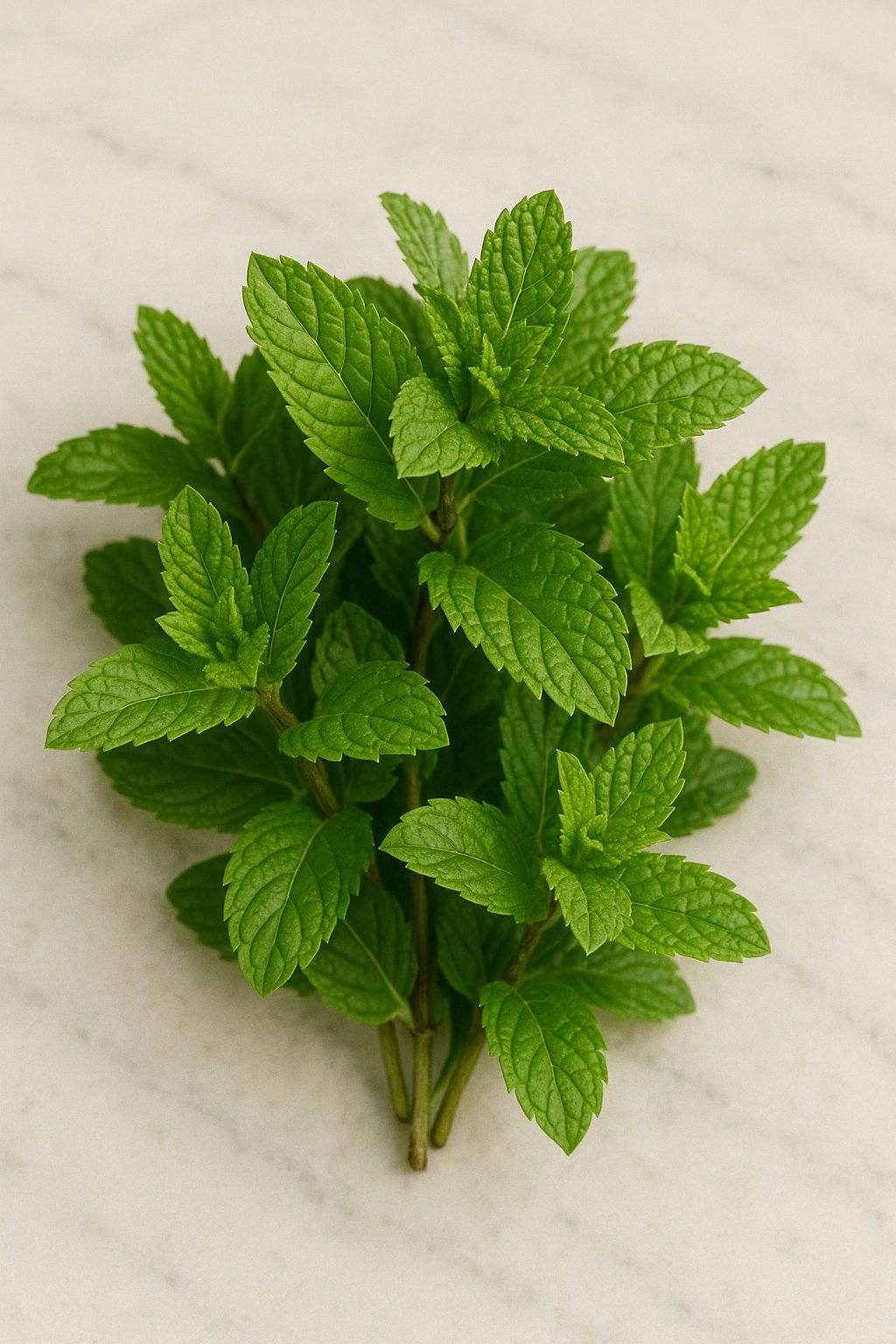
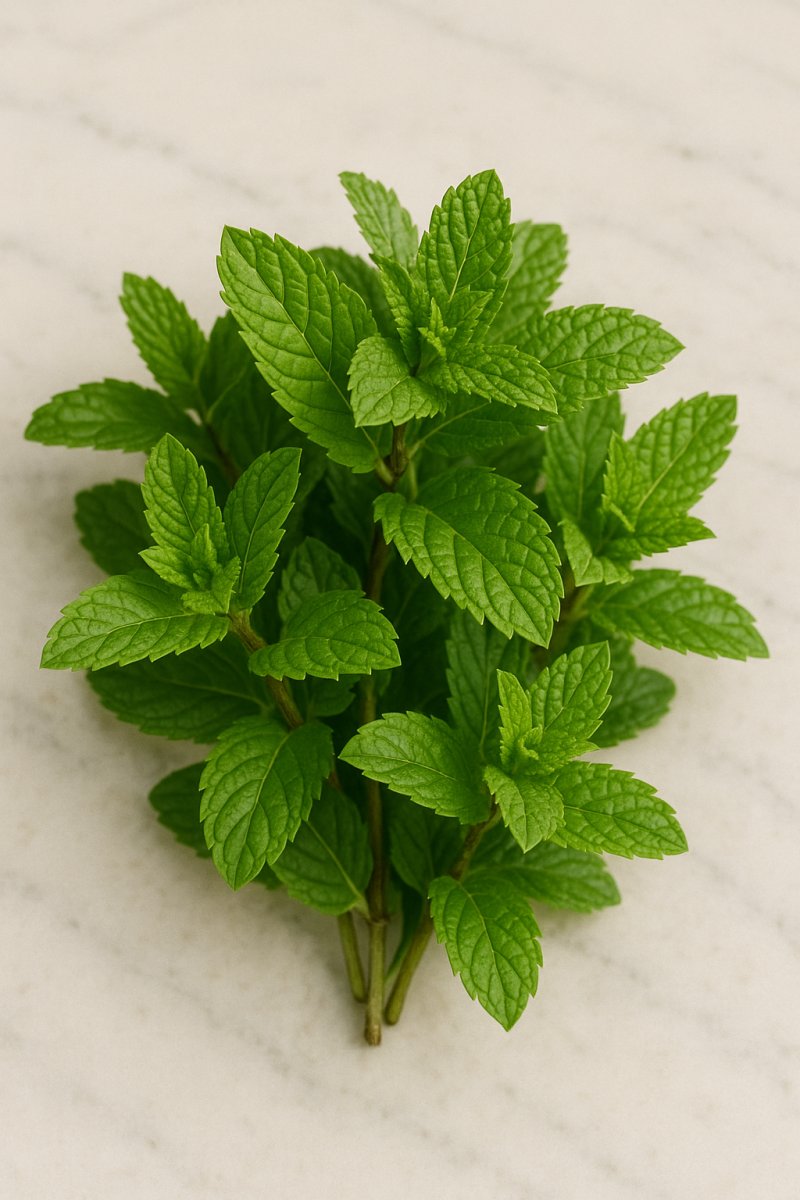
- Fresh leaves: Like a small bunch, ideal for tea, salads or as decoration. Fresh leaves have the strongest aroma.
- Dried leaves: They last longer and are often used for teas. Dried leaves are like memories of the fresh plant, just preserved.
- Essential oil: Very concentrated — only a few drops are enough. It is used in perfume, toothpaste or aromatherapy. Because the oil is strong, you should be careful and not use it undiluted.
Buying and growing at home
You can find fresh or dried peppermint in the supermarket, and often the oil in drugstores. At the weekly market you often buy particularly fresh goods. If you grow it at home you can often cut the leaves directly and use them — it's like a small mint tree in a pot. Make sure the plant gets enough water and not too much sun; then it will stay healthy for a long time and you will always have fresh mint on hand.
You can find fresh or dried peppermint in the supermarket, and often the oil in drugstores. At the weekly market you often buy particularly fresh goods. If you grow it at home you can often cut the leaves directly and use them — it's like a small mint tree in a pot. Make sure the plant gets enough water and not too much sun; then it will stay healthy for a long time and you will always have fresh mint on hand.
In summary: Peppermint is widespread, comes in many varieties and types and is easy to obtain — whether fresh, dried or as oil. Each variety has its own scent and taste, like different friends have different characteristics, and there is a suitable mint for every purpose.