Menu & categories

Peppermint

Aromatic culinary herb with a fresh menthol note

Wiki about peppermint Nutri-Score A Vegan Yes Gluten-free Yes Lactose-free Yes Nut-free Yes
NUTRITION / 100 g
44 kcal 3.8 g Protein 8.4 g Kohlenhydrate 0.7 g Fett

Introduction

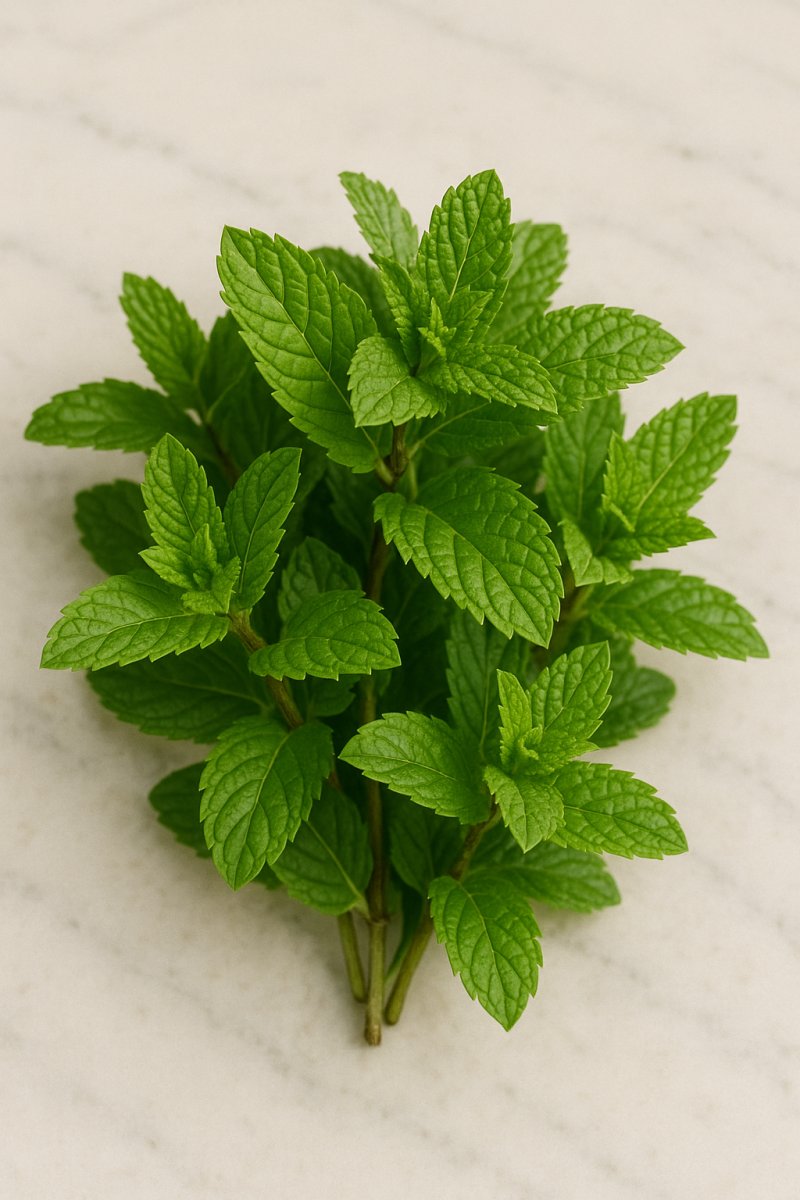
Fresh green peppermint leaves
I still remember exactly the first scent that catapulted me back to a hot summer day in my childhood: freshly cut peppermint wafting through my grandmother's window and instantly filling the whole garden. Since then this plant has not let me go. Peppermint is for me far more than an herb in the herb garden; it is a chameleon in the kitchen, a little pharmacy in a pot and a small lucky charm on stressful days.

What fascinates me about peppermint are its many faces. In the mouth it provides an invigorating freshness that surprisingly brightens desserts and gives savory dishes an unexpected note. In teas it soothes the stomach and at the same time refreshes, while a few leaves in the bathroom as a steaming inhalation can work wonders. A colleague of mine swears that peppermint relieves his headaches — I was skeptical until I tried it myself on the train and stepped off immediately relaxed.

The plant is undemanding and robust. I once planted it in a tiny balcony box, more out of curiosity than planning, and within a few weeks it spread like a green carpet. That is exactly why I recommend keeping peppermint either in pots or clearly limiting it in the garden. Its eagerness to spread can be charming, but it gladly takes space from other plants.

In the kitchen I use peppermint in many ways:

  • As a fresh garnish for salads and desserts, which immediately bring a lively freshness.
  • In homemade syrup for refreshing drinks and cocktails.
  • As part of marinades, where it unexpectedly perks up meat and vegetable flavors.
When working with peppermint I love the combination of experimental spirit and simplicity. A small jar with chopped leaves prepared in olive oil has saved many a boring dish for me. Sometimes on my evening walk I meet neighbors who give me a little bunch — peppermint connects, I have learned that.

For me peppermint is a plant that enriches both everyday life and special moments: it cools, enlivens and comforts at the same time. Anyone looking for an herb pot that reliably smells nice, grows quickly and is versatile in the kitchen and around the house will make one of the best decisions with peppermint.

Availability & types

Availability and Types

Peppermint is a very well-known herb that you can find in many parts of the world. Originally it comes from Europe and West Asia, but people brought it to other countries because it smells and tastes so good. You can imagine it like a popular friend that many families invite: peppermint is now at home everywhere.

Growing regions
Peppermint grows best in places with a temperate climate — so not too hot and not too cold. Major growing regions are for example:

  • Europe: Countries such as the United Kingdom, Germany and France grow a lot of peppermint.
  • North America: In the USA and Canada peppermint is grown in large quantities for tea and sweets.
  • Asia: In parts of Asia, for example China, peppermint is also grown in fields.
In the garden or on the balcony anyone can plant peppermint. It likes moist soil and grows quickly, almost like a small green carpet.

Available varieties and types
There is not just one peppermint. Some varieties are stronger in flavor, others milder. Here are the most important types, explained like simple family members:

  • Peppermint (Mentha × piperita): This is the "classic" peppermint often used in toothpaste, tea and sweets. It is a hybrid between water mint and spearmint — like a child of two different parents.
  • Spearmint (Mentha spicata, often called spearmint): This variety tastes somewhat sweeter and is milder than peppermint. Children often like it in chewing gum or ice cream.
  • Water mint: It likes to grow in wet places, for example at the edge of ponds. The taste is fresh and light.
  • Apple mint: This variety smells a bit like apple and is therefore popular in salads or as decoration. It is not as sharp as classic peppermint.
  • Chocolate mint: It has a hint of cocoa aroma, which makes it great for desserts. People say it is like chocolate dressed as mint.
Fresh, dried or as oil
Peppermint is available in different forms:

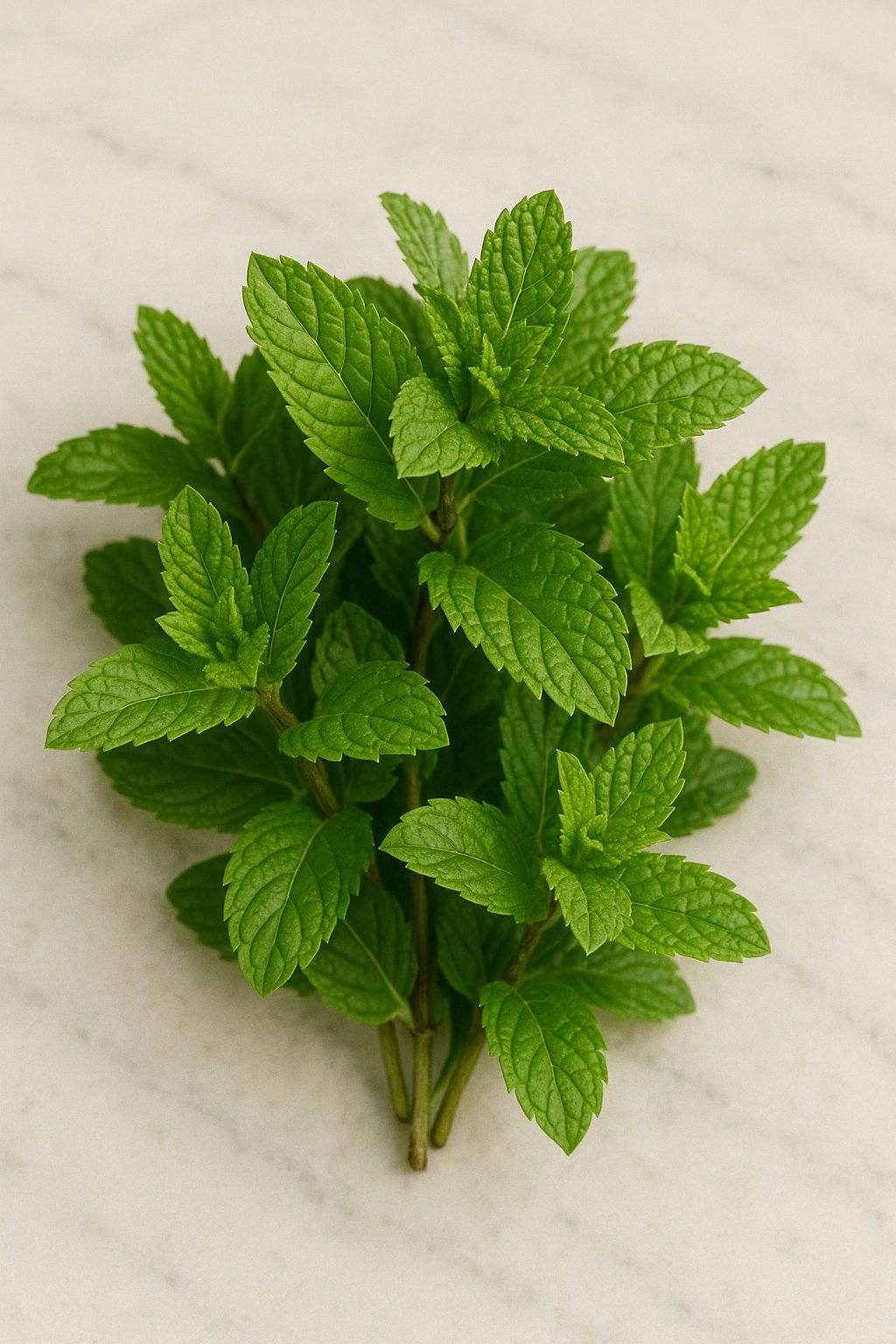
  • Fresh leaves: Like a small bunch, ideal for tea, salads or as decoration. Fresh leaves have the strongest aroma.
  • Dried leaves: They last longer and are often used for teas. Dried leaves are like memories of the fresh plant, just preserved.
  • Essential oil: Very concentrated — only a few drops are enough. It is used in perfume, toothpaste or aromatherapy. Because the oil is strong, you should be careful and not use it undiluted.
Buying and growing at home
You can find fresh or dried peppermint in the supermarket, and often the oil in drugstores. At the weekly market you often buy particularly fresh goods. If you grow it at home you can often cut the leaves directly and use them — it's like a small mint tree in a pot. Make sure the plant gets enough water and not too much sun; then it will stay healthy for a long time and you will always have fresh mint on hand.

In summary: Peppermint is widespread, comes in many varieties and types and is easy to obtain — whether fresh, dried or as oil. Each variety has its own scent and taste, like different friends have different characteristics, and there is a suitable mint for every purpose.
Details & nutrition

Property Value
Unit g
Calories per 100 44
Protein per 100 3.8
Carbohydrates per 100 8.4
Sugar per 100 0.0
Fat per 100 0.7
Saturated fat per 100 0.16
Monounsaturated fat 0.02
Polyunsaturated fat 0.37
Fiber per 100 6.8
Vitamin C (mg) per 100 31.8
Vitamin D (IU) per 100 0
Calcium (mg) per 100 243
Iron (mg) per 100 5.1
Nutri-Score A
CO₂ footprint 0.3
Origin Grown worldwide in temperate zones, commonly in Europe and North Africa
Gluten-free Yes
Lactose-free Yes
Nut-free Yes
Vegan Yes
Note Nutritional values refer to fresh peppermint leaves. In sensitive individuals it can rarely cause cross-reactions with other Lamiaceae.

Technical & scientific information

Peppermint (Mentha × piperita) is a natural hybrid of water mint (Mentha aquatica) and spearmint (Mentha spicata) and belongs to the family of Lamiaceae. The perennial, herbaceous plant is widespread because of its intense smell and taste as well as its diverse uses in the food, cosmetic and pharmaceutical industries. Peppermint typically grows 30–90 cm tall, has opposite, toothed leaves and small flowers arranged in verticillasters, which usually bloom in summer.

Chemical composition and constituents

The characteristic aroma of peppermint is based on a complex flower and leaf oil that mainly consists of monoterpenes. The most important components are:

  • Menthol: often 30–55% of the essential oil; responsible for the cooling sensation and a large part of the therapeutic effects.
  • Menthone: a constituent with a resinous, camphor-like aroma.
  • Isomenthone, menthyl acetate, 1,8-cineole (eucalyptol): contribute to the overall character.
  • Flavonoids and phenolic compounds: such as luteolin and rosmarinic acid; they act as antioxidants and influence health-related mechanisms.
  • Tannins and saponins: present in smaller amounts and relevant for taste and stability during processing.
Nutritional values and microbiological aspects

Fresh peppermint leaves contain mainly water (approx. 70–80%) as well as small amounts of carbohydrates, fiber, proteins and fats. Per 100 g fresh leaves there are approximately 40–80 kcal, depending on moisture content and variety. The leaves are also a source of vitamin C, some B vitamins, vitamin A as beta-carotene, and minerals such as potassium, calcium and magnesium. Because of the high content of essential oils, microbiological spoilage is low when plant material is stored dry and cool; however, moist storage promotes mold and bacterial growth.

Processing methods

Peppermint is processed in various ways: as fresh produce, dried herb, distilled essential oil and as extract in solvents. The most common method for obtaining the essential oil is steam distillation of the leaves and inflorescences. Parameters such as harvest time, drying temperature and distillation duration influence oil yield and composition. For food applications gentle extraction methods are often preferred to preserve sensitive aroma compounds. For drying temperatures below 40–45 °C are recommended to minimize losses of menthol and volatile components.

Pharmacological and health aspects

Peppermint and its active substances are used medically, especially in the form of peppermint oil or standardized preparations. Proven effects include:

  • Antispasmodic effects on the smooth muscle of the gastrointestinal tract, which can be helpful in functional digestive disorders, irritable bowel syndrome and bloating.
  • Local cooling and analgesic effects via menthol-activated cold receptors (TRPM8), relevant for topical application.
  • Preparations have antimicrobial and antioxidant activities, although efficacy strongly depends on concentration and composition.
At the same time side effects must be considered: in high doses peppermint oil can worsen gastroesophageal reflux, and menthol can cause skin irritation or allergic reactions in sensitive individuals. Certain preparations are not recommended for young children and people with liver dysfunction.

Ecological and agronomic notes

Peppermint requires moist, well-drained soils and thrives in temperate climates. By vegetative reproduction via runners it spreads rapidly and in monocultures can encourage pest pressure and diseases such as downy mildew. Crop rotation, soil management and integrated pest management are important for sustainable cultivation.

Overall, peppermint is a versatile ingredient with clearly defined chemical main components and documented health effects. Quality and efficacy depend strongly on variety, harvest and processing, making standardized production and analytical methods central for applications in foods and pharmaceuticals.

Wiki entry for: peppermint
Active now: 24 visitors of which 2 logged-in members in the last 5 minutes