Menu & categories

Peppermint oil

Essential oil from peppermint leaves with an intense menthol aroma

Wiki about peppermint oil Nutri-Score E Vegan Yes Gluten-free Yes Lactose-free Yes Nut-free Yes
NUTRITION / 100 ml
900 kcal 0 g Protein 0 g Kohlenhydrate 100 g Fett

Introduction

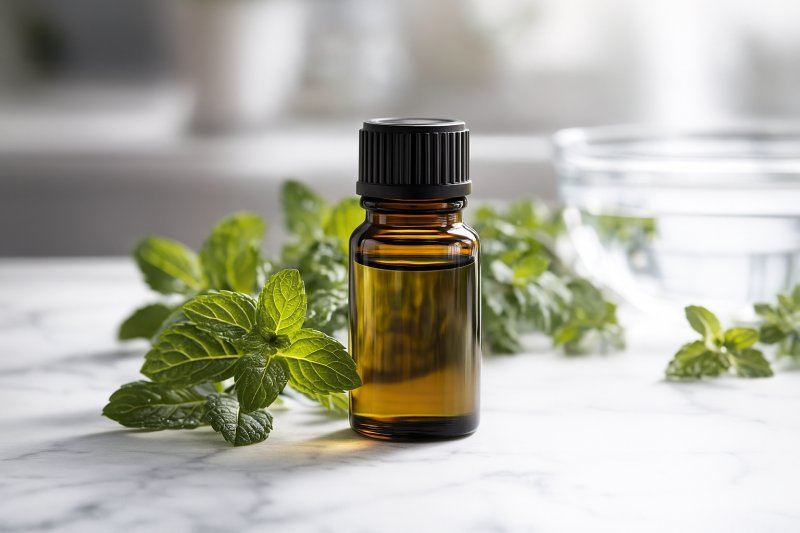
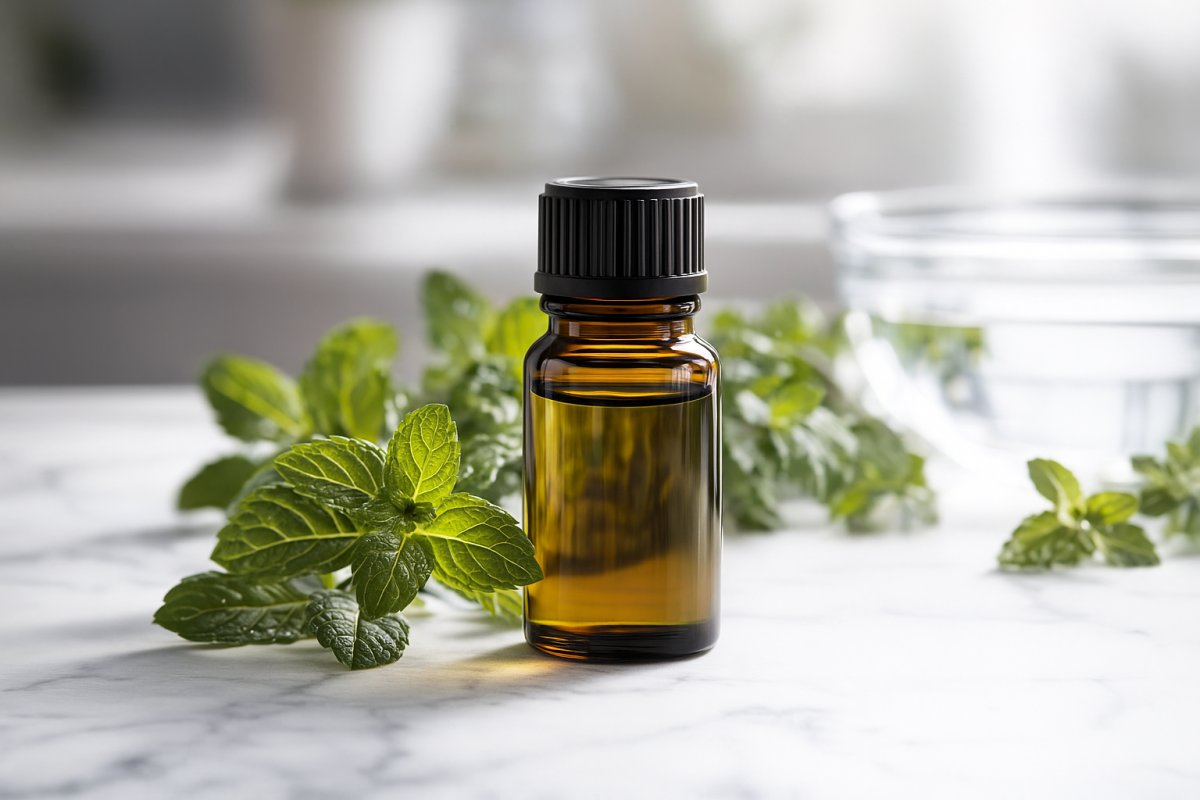
Small bottle of peppermint oil next to fresh peppermint leaves
I still clearly remember the first scent that captivated me: a small bottle on my grandmother's windowsill that felt like a cool breath on hot summer days. Peppermint oil has something for me that is at once familiar and surprising. It is that fresh, clear aroma that clears the mind and at the same time evokes childhood memories of mint candies and homemade peppermint tea. When I smell it, I immediately picture a shaded herb garden where the leaves rustle lightly in the wind.

In my kitchen I use peppermint oil sparingly but deliberately. One drop in chocolate or dessert cream can elegantly balance the sweetness, while in more savory recipes like pea purée or lamb stew it brings a surprising freshness. Once, at a dinner party, I added a tiny drop to a raspberry sorbet out of curiosity — the guests loved it, and I learned that less really is more here. Peppermint oil is intense; using it requires a delicate touch and respect for its concentration.

Apart from its culinary appeal, I appreciate the versatile uses: it enlivens scents, soothes after a long day and is a popular aid for headaches or mild stomach upset. A colleague of mine swears by a few drops in a steam inhalation after long train journeys. It is important to know that pure oils are highly concentrated and should always be diluted or used with caution, especially with children or sensitive skin.

When I wander markets in Southern Europe while traveling, I often find peppermint bundled fresh next to lavender and lemon verbena. Those combinations inspire new blends for me — for example a refreshing herbal tea with peppermint oil and lemon balm on warm evenings. To me peppermint oil is not just an ingredient but a small source of adventure that turns everyday recipes and routines into something special with a touch of freshness.

  • Taste: cooling, clear, intense
  • Uses: desserts, beverages, herb dishes, aromatherapy
  • Note: highly concentrated, use sparingly

Availability & types

Availability and types

Peppermint oil is obtained from the leaves of the peppermint plant, which is primarily found in gardens and fields. The plant is a hybrid of water mint and spearmint and smells very fresh and cool – like a peppermint candy. The oil is extracted from the leaves by heating and collecting the vapor. This process is called "distillation"; you can imagine it like when water evaporates while cooking and is then collected. This produces a strong, concentrated oil that smells of mint.

Where does peppermint oil come from? Peppermint grows in many parts of the world. Important cultivation areas include:

  • Europe – countries such as England and Germany grow a lot of peppermint, especially where the climate is not too warm.
  • North America – in the USA and Canada there are large peppermint fields, particularly in regions with moist soils.
  • Asia – for example, India also produces a lot of peppermint oil, often for perfumes, cosmetics and toothpaste.
Availability in stores or online is quite good. You can buy peppermint oil in small bottles at pharmacies, health food stores, drugstores and online. Some supermarkets also stock it in the herbs or natural cosmetics section. There are differences in quality and price: sometimes the oil is very pure and strong, sometimes it is diluted with other oils or blends to make it cheaper or easier to use.

What varieties and options are there?

  • Pure peppermint oil – this is the concentrated oil taken directly from the plant. It is very strong: one drop can produce intense cooling in the mouth or on the skin. This oil is often sold in small dropper bottles.
  • Diluted peppermint oil – here the pure oil has been mixed with a carrier oil such as almond or coconut oil. This makes it gentler on the skin and easier to use, for example for massages.
  • Organic or certified peppermint oil – this oil is grown without synthetic pesticides and often processed according to specific standards. Many people choose it because they want to know how the plants were treated.
  • Blended essential oil – sometimes peppermint oil is mixed with other essential oils, such as lavender or eucalyptus. These blends are offered for fragrances or relaxation.
  • Food-grade (edible) peppermint oil – some variants are specifically approved for food use, for example for candies, beverages or baking. These must meet strict rules to be safe to consume.
Simply put: think of peppermint oil like a syrup made from fruit. Depending on whether you choose pure syrup, a diluted syrup or a syrup with mixed flavors, taste and strength change. The same applies to peppermint oil: pure, diluted, organic or blended – each variant has its own purpose and intensity.

If you want to buy peppermint oil, pay attention to the bottle size, the usage instructions and whether it is suitable for skin or for consumption. This will help you find the right type for your needs and use the fresh mint aroma safely and sensibly.
Details & nutrition

Property Value
Unit ml
Calories per 100 900
Protein per 100 0
Carbohydrates per 100 0
Sugar per 100 0
Fat per 100 100
Saturated fat per 100 20
Monounsaturated fat 10
Polyunsaturated fat 70
Fiber per 100 0
Vitamin C (mg) per 100 0
Vitamin D (IU) per 100 0
Calcium (mg) per 100 0
Iron (mg) per 100 0
Nutri-Score E
CO₂ footprint 4.5 kg CO2e/kg
Origin Worldwide, commonly Europe, North America and Asia
Gluten-free Yes
Lactose-free Yes
Nut-free Yes
Vegan Yes
Note Highly concentrated essential oil; use only dropwise and heavily diluted; may cause mucous membrane irritation in sensitive individuals.

Technical & scientific information

Peppermint oil is an essential oil obtained by distillation from the leaves and flowers of the peppermint plant (Mentha × piperita). It belongs to the group of essential oils and is pharmacologically and aromatically important. Industrial production is carried out mainly by steam distillation of the harvested plant material; volatile constituents are separated, condensed and, by phase separation, recovered as oil from the aqueous fraction. Botanical origin, harvest time and distillation parameters significantly affect yield and chemical profile.

Chemical composition and main constituents
Peppermint oil is a complex mixture of monoterpenes, monoterpenols, ketones and esters. The quantitatively most important components are menthol and menthone. Menthol (typically 30–55% of the oil) gives the oil its characteristic cooling effect by activating cold receptors (TRPM8). Menthone (approx. 10–30%) contributes to the aroma and organoleptic properties. Other relevant constituents include 1,8‑cineole (eucalyptol), menthyl acetate, isomenthone, limonene and pulegone. Exact composition varies with chemotype, growing region and processing.

Physicochemical properties
At room temperature peppermint oil is a clear to slightly yellowish liquid with a low density (approximately 0.9 g/cm³) and a characteristic boiling range depending on the main components. It is hydrophobic and sparingly soluble in water, but dissolves readily in organic solvents and fatty substances. The oil is light- and heat-sensitive; prolonged storage can lead to oxidation, which alters odor and efficacy.

Uses and processing
Peppermint oil is widely used in pharmaceuticals, cosmetics, food and aromatherapy. In pharmaceutical practice it is used in topical preparations for muscle pain, as a component of antispasmodics for functional gastrointestinal complaints (in defined combinations) and in oral care products due to its antimicrobial properties and freshening effect. In foods it serves as a flavoring in very low concentrations in confectionery, beverages and baked goods. Processing steps include standardization, de‑aromatization or formulation in carriers (oils, emulsions, capsules) for safe use.

Health aspects and safety
Peppermint oil has physiological effects that can be both locally irritating and relieving. Menthol produces cooling sensations and can have analgesic effects by modulating sensory nerves. When taken orally in clinically tested preparations it can reduce symptoms of irritable bowel syndrome. Nevertheless allergic reactions, skin irritations and contact dermatitis are possible, especially with direct, undiluted topical application. In young children menthol‑containing oils used by inhalation or topically can cause respiratory irritation and, in rare cases, severe reactions; therefore products for infants should be labeled accordingly. High oral doses can be toxic; hepatic and neurological effects have been reported. Use according to recommended concentrations and safety data sheets is important.

Quality control and labeling
Quality testing includes organoleptic assessment, gas chromatography coupled with mass spectrometry (GC‑MS) for profile analysis, determination of menthol and menthone content and testing for contaminants and residues (pesticides, heavy metals). International standards and pharmacopoeial monographs define limits for certain components and purity requirements. Suppliers and manufacturers label batches with origin information, chemotypic composition and safety information.

Peppermint oil is therefore a versatile natural product with clearly definable main chemical components, important applications in medicine, cosmetics and the food industry, and specific safety requirements. Its effects are based mainly on menthol and related compounds, while quality control and proper use are essential to maximize benefits and minimize risks.

Wiki entry for: peppermint oil
Active now: 18 visitors of which 2 logged-in members in the last 5 minutes