Menu & categories

Peppercorn

Aromatic spice made from the dried berries of the pepper plant

Wiki about peppercorn Nutri-Score B Vegan Yes Gluten-free Yes Lactose-free Yes Nut-free Yes
NUTRITION / 100 g
255 kcal 10.4 g Protein 64.8 g Kohlenhydrate 3.3 g Fett

Introduction

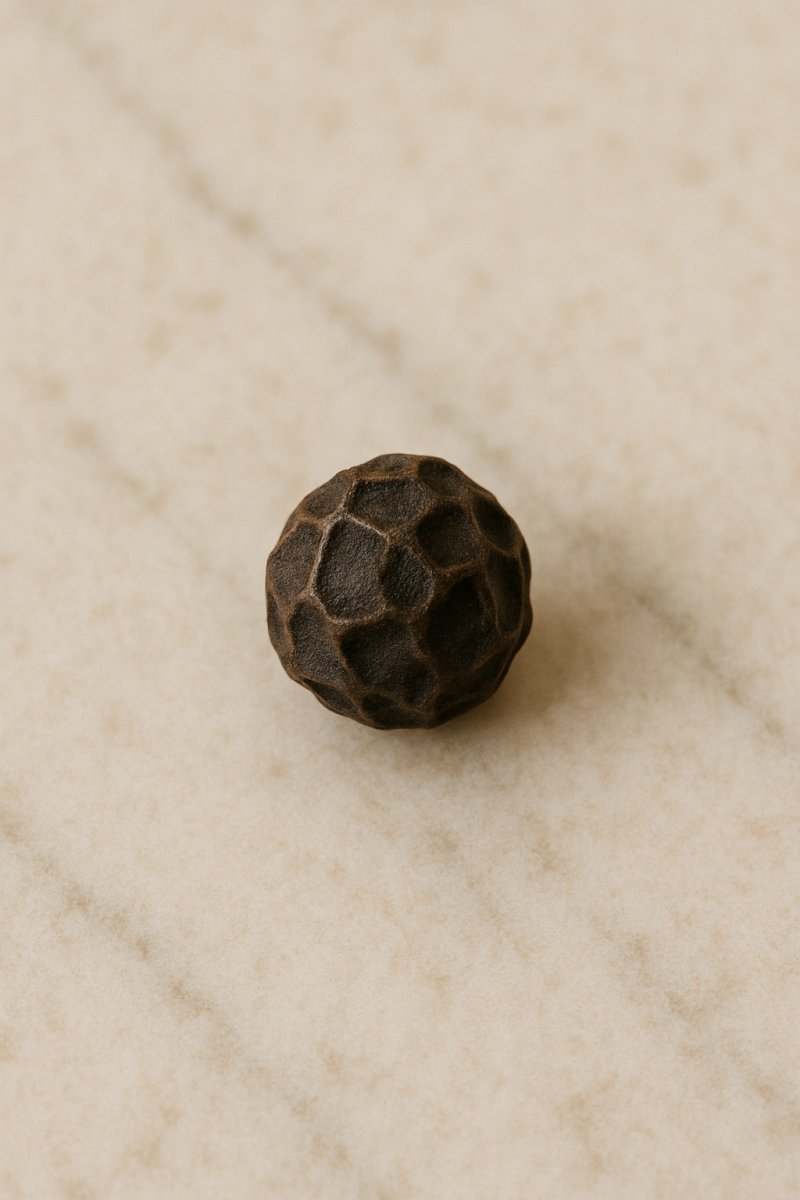
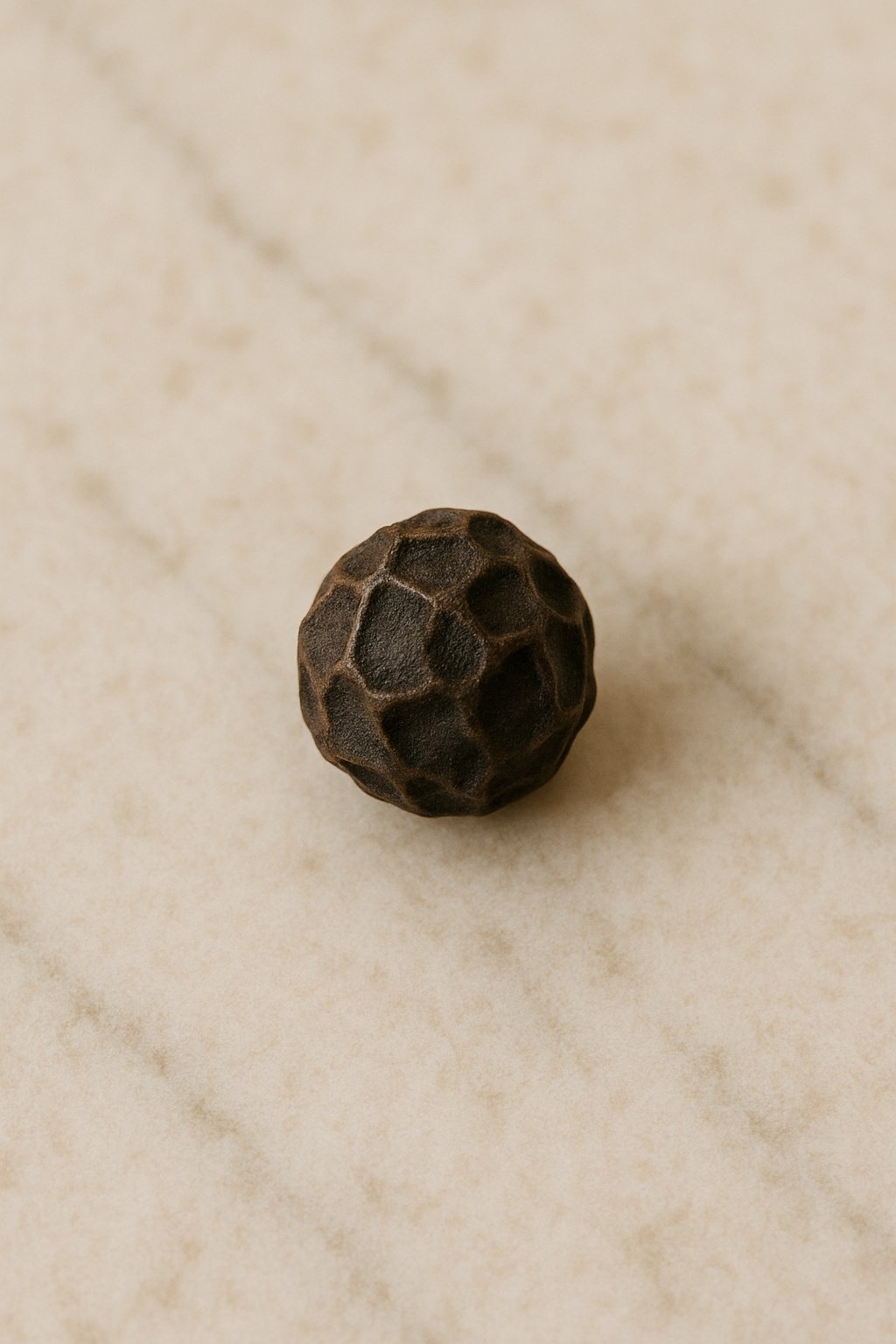
Close-up of black peppercorns
I love how a single peppercorn can transform an entire dish. As if tiny volcanic springs slumbered in my kitchen, I place the berry between my fingers and take a deep breath: peppery, woody, with a hint of citrus, depending on whether it is black, white or green. A friend once gave me a small glass bottle of freshly ground black Tellicherry peppercorns; the first breath catapulted me straight to a spice market with colorful cloths and smoky chai.

Peppercorns come from the climbing plant Piper nigrum and can be used at different stages of ripeness. Black berries are dried and develop strong, sharp notes, while white berries have lost their outer layer and offer a finer, earthier heat. Green berries, on the other hand, retain freshness and fruitiness. I still remember a dinner when I used green peppercorns in a cream sauce; a colleague who usually confuses salt and pepper was astonished at how gentle and aromatic the dish seemed.

In the kitchen pepper is a true all-rounder. It:

  • enhances meat and fish dishes without overpowering them;
  • works wonderfully with citrus fruits and herbs;
  • toasting it or grinding it fresh dramatically intensifies its aroma.
Sometimes I use whole berries in stews or brines – they release flavor slowly without disturbing texture. For salads and dressings I prefer the mill, because freshly ground pepper releases its essential oils and immediately brings a lively heat. A small experiment I like to recommend: briefly toss pepper in a pan without fat. The heat opens the aromas and makes the berry almost caramelized.

Away from the kitchen pepper has made history: trade routes, spice wars, little taverns where people once paid with pepper. That makes each little grain culturally meaningful to me. When I close the jar again, I smile – not only because a dinner turned out well, but because this small ball of spice holds so many stories.

Availability & types

Availability and types of peppercorns

Peppercorns are the small, round seeds of the pepper plant and are among the most used spices in the world. If you go to a supermarket you will find pepper in many forms and varieties. Sometimes it looks completely black, sometimes green, pink or white. All these colors come from the same plant or from related species, but they are harvested and processed differently. Imagine a peppercorn like an apple: depending on when you pick it and how you treat it, it changes flavor and appearance.

Origin and growing areas
Pepper grows on climbing plants in warm, humid regions. The best-known producing countries are India (especially the Kerala region), Indonesia, Vietnam, Brazil and Sri Lanka. Vietnam is today one of the largest producers of black pepper. The plants need plenty of rain, warmth and something to climb on; they often climb trees or poles. That's why pepper is often called a "liana" – a plant that winds up like a ladder.

Available varieties and types
Peppercorns come in different colors and flavors. Here are the most important types, simply explained:

  • Black pepper: These berries are harvested when they are almost ripe. Then they are briefly boiled or steamed and dried. During drying the outer skin shrinks and turns black. Black pepper has a strong, pungent taste – a bit like a sharp onion aroma.
  • White pepper: It is made by soaking ripe red pepper berries until the outer husk softens and is removed. What remains is the pale inner seed. White pepper is milder and somewhat earthier. It is often used in light sauces because you don't want to see black specks.
  • Green pepper: These berries are harvested unripe and then gently preserved, for example by pickling or freeze-drying. Green pepper tastes fresh and slightly grassy, almost like green tea compared to black pepper.
  • Pink pepper: Technically pink pepper often does not belong to the true pepper plant, but comes from other shrubs. It is fruity and slightly sweet, less hot. In blends it looks great because it brings a nice color.
  • Tellicherry pepper: This is a special variety of black pepper from India that is particularly large and aromatic. People say it has a fuller flavor, almost like comparing a fine chocolate to a simple one.
How easy is it to get pepper?
Pepper is available almost everywhere: in supermarkets, at weekly markets and also online. You can get it as whole berries, ground or in mills. Whole berries keep their aroma longer because the essential oils are protected. Ground pepper is convenient for seasoning but loses its aroma faster if left open.

Tips for use
If you want the best flavor, buy whole peppercorns and grind them just before cooking. For light dishes like mashed potatoes white pepper fits well, for robust dishes black pepper is ideal. And feel free to try different varieties — a bit like collecting sticker albums: each type has its own character and makes the food more exciting.

So there are many types of pepper, all with similar origins but different processing and flavor. So you can always find the right pepper for your favourite dish.
Details & nutrition

Property Value
Unit g
Average weight per piece 0.05
Calories per 100 255
Protein per 100 10.4
Carbohydrates per 100 64.8
Sugar per 100 0.6
Fat per 100 3.3
Saturated fat per 100 1.4
Monounsaturated fat 1.0
Polyunsaturated fat 0.9
Fiber per 100 25.0
Vitamin C (mg) per 100 21.0
Vitamin D (IU) per 100 0
Calcium (mg) per 100 440
Iron (mg) per 100 9.7
Nutri-Score B
CO₂ footprint 3.0 kg CO2e/kg
Origin Tropical and subtropical cultivation areas, especially India and Vietnam
Gluten-free Yes
Lactose-free Yes
Nut-free Yes
Vegan Yes
Note Information refers to dried black peppercorns; spices are used in very small amounts, so the actual nutrient and calorie contribution per serving is small.

Technical & scientific information

Peppercorn is the single fruit of the pepper plant (Piper nigrum) and forms the raw material for the well-known spices black, white, green and red pepper. Botanically they are small drupes that grow in raceme-like inflorescences. Variation in color and taste arises primarily from origin, harvest time and subsequent processing; chemically alkaloids, aroma compounds and essential oils dominate, which are responsible for the characteristic heat and aroma.

Chemical composition and constituents

  • The main active compounds are piperine (an alkaloid) and various terpenes as well as sesquiterpenes, which occur particularly in the essential oil. Piperine is responsible for the persistent, chemically-bitter heat and differs from capsaicin (chili heat) by different receptor interactions.
  • Essential oils contain compounds such as β‑caryophyllene, limonene and pinene, which provide fragrance and aroma components. Exact composition varies by variety and processing.
  • Peppercorns also contain flavonoids, polyphenols and soluble dietary fiber. Fat content is low, protein content moderate.
  • Traces of minerals such as potassium, calcium, iron and vitamins, particularly vitamin K and some B‑vitamins, are present, but in small amounts.
Nutritional values

  • The caloric content of dried peppercorns is moderate due to the low fat content and the relatively higher proportion of fiber and carbohydrates; per 100 g this is about 250–300 kcal, while at usual usage amounts the energetic relevance is small.
  • Macronutrients: high proportion of carbohydrates (mainly fiber), moderate protein content and very low fat content.
Processing methods

  • Black pepper is produced by harvesting the half-ripe berries, followed by drying, during which the skin darkens. Drying can be done in the sun or mechanically and determines aroma development and fermentation influences.
  • White pepper is obtained from ripe red berries whose flesh is removed by soaking and abrasion, leaving only the lighter core. This process reduces some essential oils and alters the flavor profile.
  • Green pepper are unripe berries treated by freeze-drying, preservation in brine or with solvents to retain the green color and a fresh aroma.
  • Red pepper are fully ripe berries used fresh or dried; dried red berries are rarer and often expensive.
Sensory and storage

Peppercorn yields a complex aroma of heat, warm bitterness and resinous, fruity notes. Piperine contributes to the heat, while volatile terpenes deliver fleeting, quickly evaporating odor notes. Whole berries retain aroma much longer than ground pepper because volatile oils are protected inside. Storage should be dry, dark and airtight to minimize oxidation and aroma loss.

Health aspects

  • Pepper and its main constituent piperine are associated in studies with mild metabolic-modulating effects, such as increased bioavailability of certain nutrients and drugs through inhibition of metabolizing enzymes.
  • At culinary doses pepper is considered safe; at high doses piperine can cause gastrointestinal irritation. Caution is advised when taking medications, as interactions cannot be ruled out.
  • Pepper is used in traditional medicine, among other things to promote digestion. Scientific evidence supports some, but not all, of these uses.
Ecological and economic aspects

Pepper is a globally traded crop with a significant economic role in growing regions of southern India, Indonesia, Vietnam and Brazil. Cultivation methods range from traditional mixed cropping to more intensive plantations. Quality and purity of varieties, harvest time and post-harvest treatment influence price and market segments.

Overall the peppercorn is a chemically complex natural product whose sensory properties and potential health effects depend both on genetic factors of the plant and on climatic conditions and processing steps. Choosing whole berries over ground pepper offers better aroma retention, while responsible use in the diet maximizes health benefits and minimizes possible interactions.

Wiki entry for: peppercorn
Active now: 24 visitors of which 2 logged-in members in the last 5 minutes