Availability and types
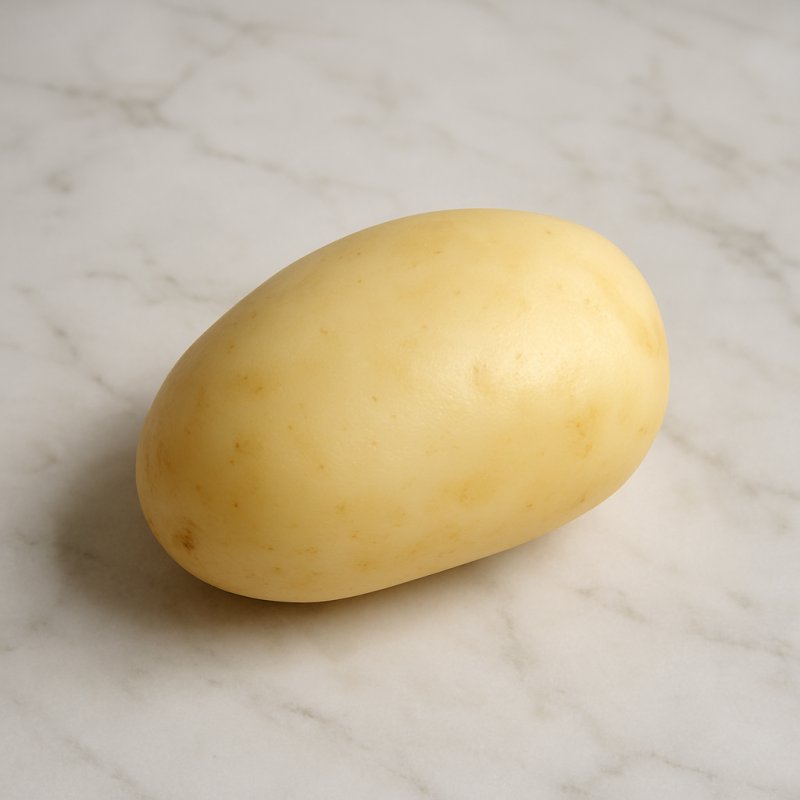
The potato without skin is a very common ingredient in kitchens around the world. The potato originally comes from South America, particularly from the area that is now Peru and Bolivia. People there began cultivating potatoes many hundreds to thousands of years ago. From there the plant reached Europe and quickly became popular in many countries because it grows well and can feed many people.
Today potatoes are grown in almost every country. Major growing regions include, for example:
- Europe – Countries such as Germany, the Netherlands, France and Poland grow very large quantities of potatoes. They often have cool temperatures and good soils that potatoes prefer.
- North America – There are also large potato fields in the USA and Canada, especially in regions with plenty of space and suitable climate.
- Asia – Countries like China and India also produce a lot of potatoes, because many people live there and potatoes are suitable as a staple food.
- South America – In the countries of origin many traditional varieties are still cultivated.
If you buy or prepare potatoes without skin, there are different varieties and variants to be aware of. Potatoes differ in shape, size, color and taste. Here are the main types explained in simple terms:
- Waxy potatoes: These remain firm during cooking and do not fall apart. They are perfect for potato salad, fried potatoes or recipes where pieces should keep their shape. You can compare their texture to apples or carrots that do not become mushy.
- All-purpose / medium-starch potatoes: These are between waxy and floury. They are very versatile and suitable for many dishes such as mash, baked potatoes or stews. Think of them as an all-round option for many preparations.
- Floury (mealy) potatoes: These become soft and "mealy" when cooked. They are ideal for mashed potatoes, soups or dumplings because they mash easily. You can compare them to cooked cereal flakes that become nicely soft.
- Specialty varieties: There are also colorful potatoes with red, purple or yellow skins and even colored flesh. These look distinctive and can make dishes more colorful.
If potatoes are already peeled, you can find them fresh in the supermarket, pre-cooked or frozen. Fresh peeled potatoes are the most flexible, but must be used quickly because they turn brown otherwise. Pre-cooked or frozen variants are practical when speed is needed, for example for fries, croquettes or ready potato dishes.
When shopping or cooking you can therefore choose which variety best suits the recipe: waxy for salad, floury for mash and pre-cooked or frozen variants if you want to save time. That way you always find the right potato without skin for your dish.
