Availability and types
Peanut butter is a popular ingredient that is easy to find in many supermarkets and shops around the world. It consists mainly of ground peanuts and sometimes a few additional ingredients such as salt, oil or sugar. Peanuts grow on plants that do well in warm areas, so they often come from countries with warm climates. Large production areas include, for example, the United States, China, India and countries in West Africa. There the peanuts are grown in fields, harvested and then processed into peanut butter.
If you look for peanut butter in the store, you will find different kinds and variants. Here are the main differences, simply explained:
- Creamy (or smooth) peanut butter
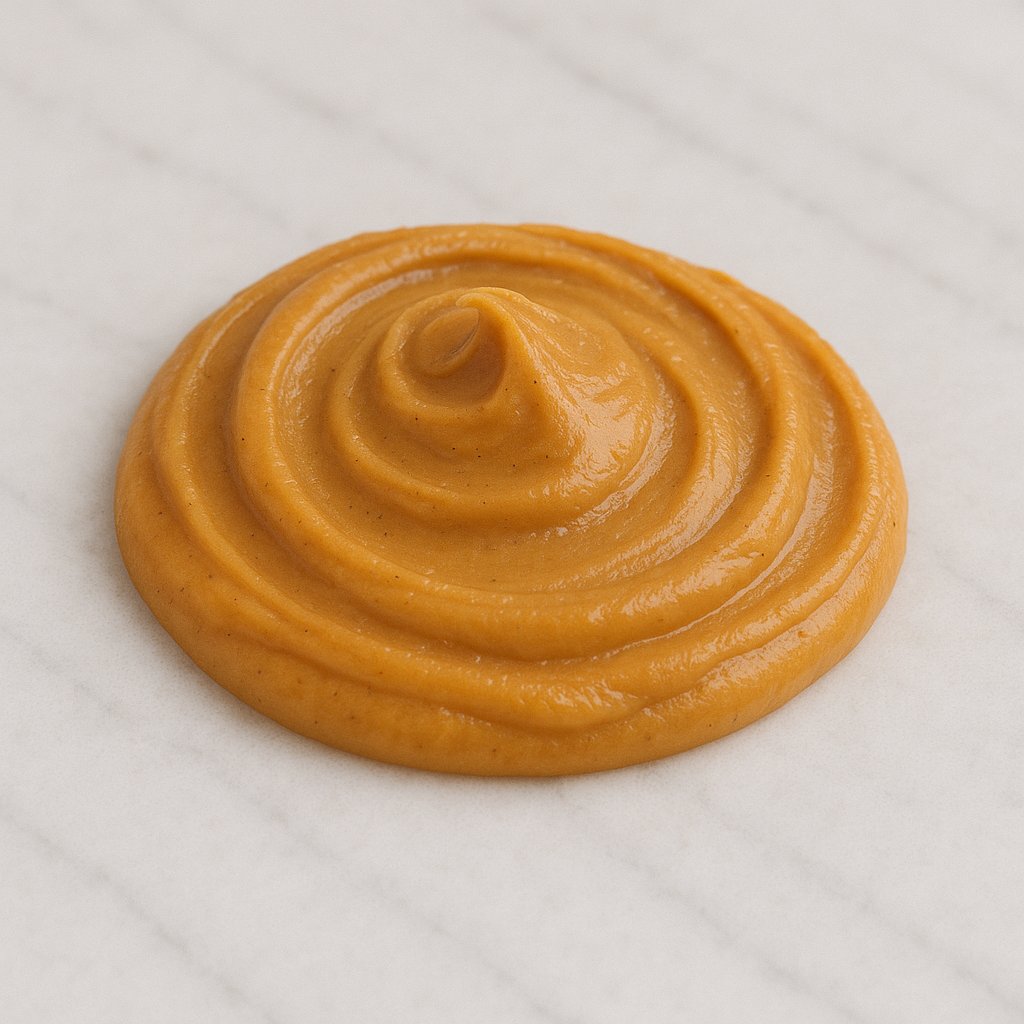
This type is ground very finely so that it forms a smooth, uniform mass without pieces. It spreads well — for example on bread or in baking recipes. Imagine grinding the peanuts until no fragments remain.
- Chunky (or crunchy) peanut butter
Here small peanut pieces are included in the mass. This gives a crunchy feeling in the mouth, similar to nuts in a cereal bar. Some people prefer this little crackle when eating.
- Salted and unsalted variants
Some peanut butters contain added salt, others do not. Unsalted is good if you want to control the salt content yourself — for example when cooking or baking.
- Sweetened with sugar or honey
Some varieties have added sugar or honey to make them taste sweeter. These are often popular with children because they resemble sweet flavors.
- Natural peanut butter
In this version the ingredients usually consist only of peanuts and sometimes a little oil. It may separate slightly, meaning oil floats on top. This is normal — just stir before using.
- Processed or industrial peanut butter
Some brands add emulsifiers (these are auxiliary substances that prevent oil separation) and other ingredients so that the mass remains stable for a long time and has the same creamy consistency without stirring.
- Light or reduced-fat variants
These are produced to contain less fat, often by adding other ingredients to maintain the consistency. They sometimes taste a bit different from regular peanut butter.
- Organic or fair-trade peanut butter
Organic means that fewer or no chemical pesticides were used in cultivation. Fair-trade products ensure that farmers in producing countries are paid fairly. Both labels matter to people who care about environmental and social issues.
- Alternatives without peanuts
Because some people are allergic to peanuts, there are similar spreads made from almonds, cashews or sunflower seeds. These look and taste similar, but are made from other nuts or seeds.
In summary: peanut butter is widespread and available in many variants — from super smooth to extra crunchy, from sweet to salty, from completely natural to heavily processed. This means almost everyone can find their favorite type, whether for bread, baking or as a snack. If you want to try something new, pay attention to the ingredient list and labels such as “organic” or “no additives” so you get exactly what you like.