Menu & categories

Peanut butter

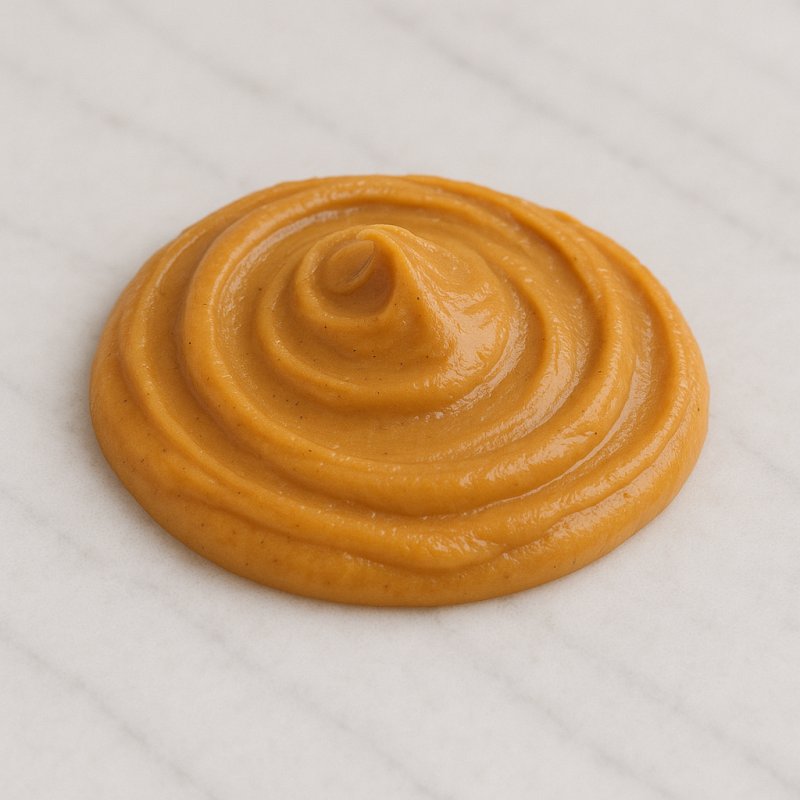
Creamy spread made from roasted peanuts

Wiki about peanut butter Nutri-Score D Vegan Yes Gluten-free Yes Lactose-free Yes Nut-free No
NUTRITION / 100 g
588 kcal 25 g Protein 20 g Kohlenhydrate 50 g Fett

Introduction

A jar of peanut butter with a spoon and some peanuts beside it
I still remember the first encounter with peanut butter, although it began completely unspectacularly: a simple jar from the supermarket, opened between two appointments, a knife and a slice of toast. After that any restraint was gone. Since then peanut butter has always had a fixed place in my kitchen. It is both comforting and surprisingly versatile, an ingredient that connects sweet and savory worlds.

My relationship with this spread is pragmatic and emotional at the same time. It is a quick solution when the stomach growls, and a small culinary adventure when I'm feeling experimental. I loved it in sandwiches, tried it as a creamy sauce for roasted vegetables and even used it in desserts that immediately delighted friends. A colleague of mine swears by peanut butter in curry; at the first bite I thought he was brave, at the second I asked for the recipe.

What fascinates me about peanut butter is its simple origin and its complex aroma. From roasted peanuts comes a texture that ranges from velvety to chunky, and a taste that is nutty, lightly sweet and sometimes salty. When shopping I pay attention to the ingredient list: the shorter it is, the better. Pure peanut butter without unnecessary additives has the greatest charm for me.

Some reasons why peanut butter should remain a staple:

  • Versatility: It goes with bread, fruit, baked goods and in sauces.
  • Nutritional value: Good source of plant protein and healthy fats.
  • Shelf life: An open jar in the cupboard survives many creative phases.
I like to improvise in the kitchen. A spoonful of peanut butter can save, brighten or completely transform a dish. Despite all its simplicity it remains for me a small wonder: down-to-earth, accessible and always ready to support new flavor combinations. When I serve guests an unusual dessert or a surprising starter, peanut butter often ends up on my list of secret helpers.

Availability & types

Availability and types

Peanut butter is a popular ingredient that is easy to find in many supermarkets and shops around the world. It consists mainly of ground peanuts and sometimes a few additional ingredients such as salt, oil or sugar. Peanuts grow on plants that do well in warm areas, so they often come from countries with warm climates. Large production areas include, for example, the United States, China, India and countries in West Africa. There the peanuts are grown in fields, harvested and then processed into peanut butter.

If you look for peanut butter in the store, you will find different kinds and variants. Here are the main differences, simply explained:

  • Creamy (or smooth) peanut butter
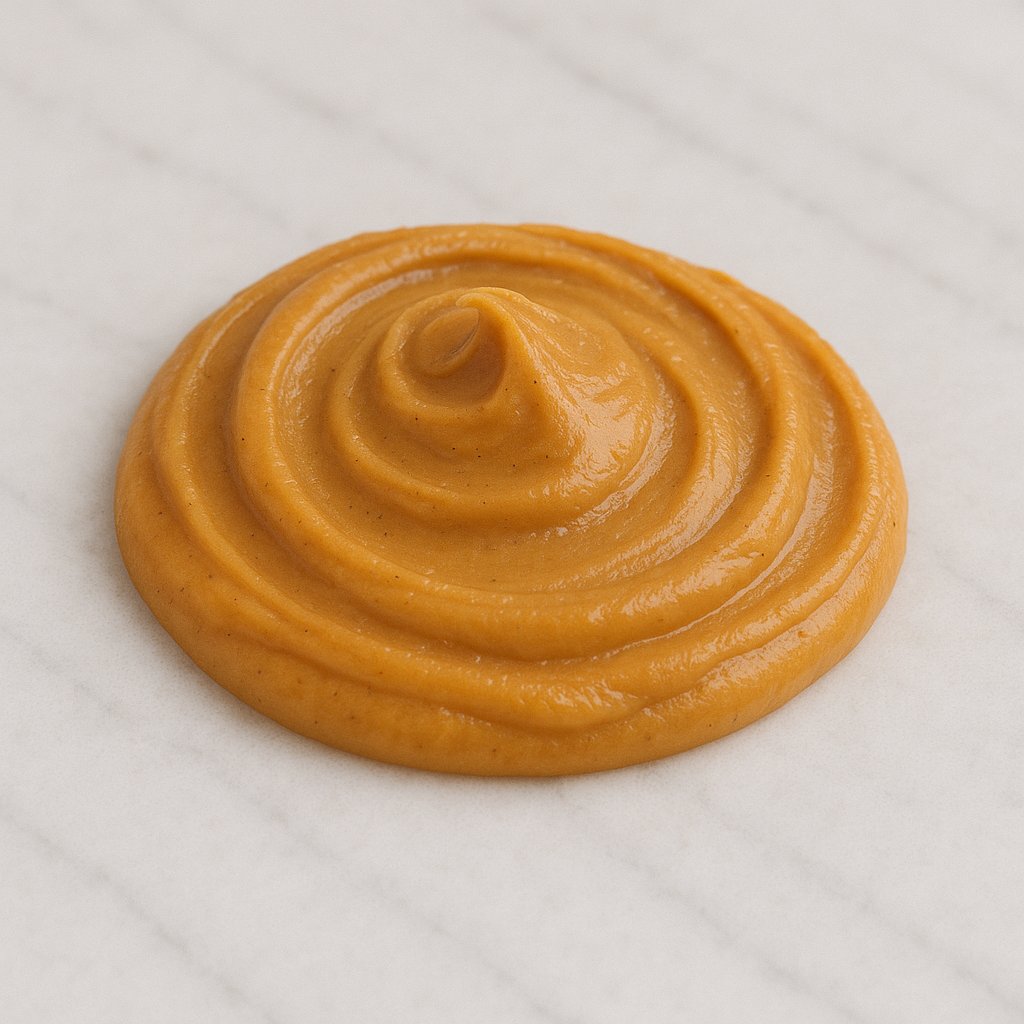
    This type is ground very finely so that it forms a smooth, uniform mass without pieces. It spreads well — for example on bread or in baking recipes. Imagine grinding the peanuts until no fragments remain.
  • Chunky (or crunchy) peanut butter
    Here small peanut pieces are included in the mass. This gives a crunchy feeling in the mouth, similar to nuts in a cereal bar. Some people prefer this little crackle when eating.
  • Salted and unsalted variants
    Some peanut butters contain added salt, others do not. Unsalted is good if you want to control the salt content yourself — for example when cooking or baking.
  • Sweetened with sugar or honey
    Some varieties have added sugar or honey to make them taste sweeter. These are often popular with children because they resemble sweet flavors.
  • Natural peanut butter
    In this version the ingredients usually consist only of peanuts and sometimes a little oil. It may separate slightly, meaning oil floats on top. This is normal — just stir before using.
  • Processed or industrial peanut butter
    Some brands add emulsifiers (these are auxiliary substances that prevent oil separation) and other ingredients so that the mass remains stable for a long time and has the same creamy consistency without stirring.
  • Light or reduced-fat variants
    These are produced to contain less fat, often by adding other ingredients to maintain the consistency. They sometimes taste a bit different from regular peanut butter.
  • Organic or fair-trade peanut butter
    Organic means that fewer or no chemical pesticides were used in cultivation. Fair-trade products ensure that farmers in producing countries are paid fairly. Both labels matter to people who care about environmental and social issues.
  • Alternatives without peanuts
    Because some people are allergic to peanuts, there are similar spreads made from almonds, cashews or sunflower seeds. These look and taste similar, but are made from other nuts or seeds.
In summary: peanut butter is widespread and available in many variants — from super smooth to extra crunchy, from sweet to salty, from completely natural to heavily processed. This means almost everyone can find their favorite type, whether for bread, baking or as a snack. If you want to try something new, pay attention to the ingredient list and labels such as “organic” or “no additives” so you get exactly what you like.
Details & nutrition

Property Value
Unit g
Calories per 100 588
Protein per 100 25
Carbohydrates per 100 20
Sugar per 100 8
Fat per 100 50
Saturated fat per 100 10
Monounsaturated fat 24
Polyunsaturated fat 14
Fiber per 100 6
Vitamin C (mg) per 100 0
Vitamin D (IU) per 100 0
Calcium (mg) per 100 40
Iron (mg) per 100 1.9
Nutri-Score D
CO₂ footprint 2.4
Origin Varies by manufacturer, commonly the USA, China, Argentina or India
Gluten-free Yes
Lactose-free Yes
Nut-free No
Vegan Yes
Note Information refers to commercially available peanut butter with low sugar and salt content; actual values may vary slightly depending on brand and recipe.

Technical & scientific information

Peanut butter is a spreadable paste made from roasted and finely ground peanuts (Arachis hypogaea), consumed worldwide as a food. Industrial and artisanal variants differ in consistency, additives and degree of processing, but remain comparable in chemical and nutritional terms at their core. Production includes roasting, shelling, grinding and occasionally fortification with salt, sugar, vegetable oil or emulsifiers to optimize texture, flavor and storage stability.

Chemical composition and constituents

  • Macronutrients: Peanut butter consists mainly of lipids (approx. 45–55 %), proteins (approx. 20–25 %) and carbohydrates (approx. 10–20 %, of which fiber 5–8 %). The fat fraction is mainly made up of unsaturated fatty acids, especially oleic acid (monounsaturated) and linoleic acid (polyunsaturated); saturated fatty acids such as palmitic acid are present in smaller amounts.
  • Proteins: The protein profile is relatively balanced and rich in amino acids such as arginine, leucine and glutamic acid, although methionine is often limited in plant proteins. The biological value is moderate, which is why peanut butter is most effective in meeting amino acid requirements when combined with other protein sources.
  • Vitamins and minerals: Peanut butter provides notable amounts of vitamin E, niacin (B3), folate and minerals such as magnesium, phosphorus, potassium and zinc. Trace amounts of iron and copper are also present.
  • Phytochemicals: Compounds such as polyphenols, phytosterols and resveratrol occur in small amounts and contribute antioxidant properties. Non-nutritive constituents like lectins or protease inhibitors are also present but are largely reduced by roasting.
Production and processing methods

  • Roasting: Raw peanuts are roasted to develop flavor and microbiological stabilization. Roasting parameters (temperature, time) influence Maillard reactions and thereby aroma and the formation of certain aromatic compounds.
  • Shelling and grinding: After breaking and removing the shells the peanuts are ground into a paste. The degree of fineness and the number of grinding stages determine the texture (creamy vs. chunky).
  • Stabilizers and emulsifiers: Many commercial products contain added oils, sugar, salt and emulsifiers such as mono- or diglycerides to prevent oil separation and improve homogeneity.
  • Preservation: By reducing water activity, packaging in airtight containers and, if necessary, adding antioxidants, oxidation of polyunsaturated fatty acids is slowed, thereby increasing shelf stability.
Nutritional and health aspects

  • Cardiovascular effects: The high content of monounsaturated and polyunsaturated fatty acids can, when consumed in moderation, have favorable effects on the lipid profile, for example lowering LDL cholesterol when replacing saturated fats.
  • Energy content: Due to the high fat content, peanut butter is energy-dense (~580–650 kcal/100 g) and should be consumed with portion awareness, especially in calorie-restricted diets.
  • Allergies: Peanut allergy is one of the most common and potentially severe food allergies. Minute protein amounts can trigger anaphylactic reactions in sensitized individuals. Processing does not completely eliminate allergenic proteins.
  • Microbiological and chemical risks: Raw materials can be contaminated with molds that produce aflatoxins. Roasting and quality controls reduce this risk, yet regulation and residue monitoring remain important. Lipid oxidation is also a technical issue affecting sensory quality and nutrient stability.
  • Glycemic effect and satiety: Protein and fat contents lead to a low to moderate glycemic load and increase satiety. Peanut butter can therefore, in moderation, be part of meals for blood sugar regulation and appetite control.
Applications and storage

Peanut butter is used as a spread, in baked goods, sauces, smoothies and as an ingredient in savory dishes. To avoid oxidation and rancidity it should be stored protected from light and cool; natural varieties with a separate oil phase benefit from occasional stirring, while stabilized versions are less sensitive.

Overall, peanut butter combines a high content of energy-dense fats and plant proteins with micronutrients and secondary plant compounds. With regular consumption it offers nutritional benefits but requires careful consideration due to its high calorie content and allergy potential in food practice.

Wiki entry for: peanut butter
Active now: 20 visitors of which 2 logged-in members in the last 5 minutes