Availability and types of orange flavoring
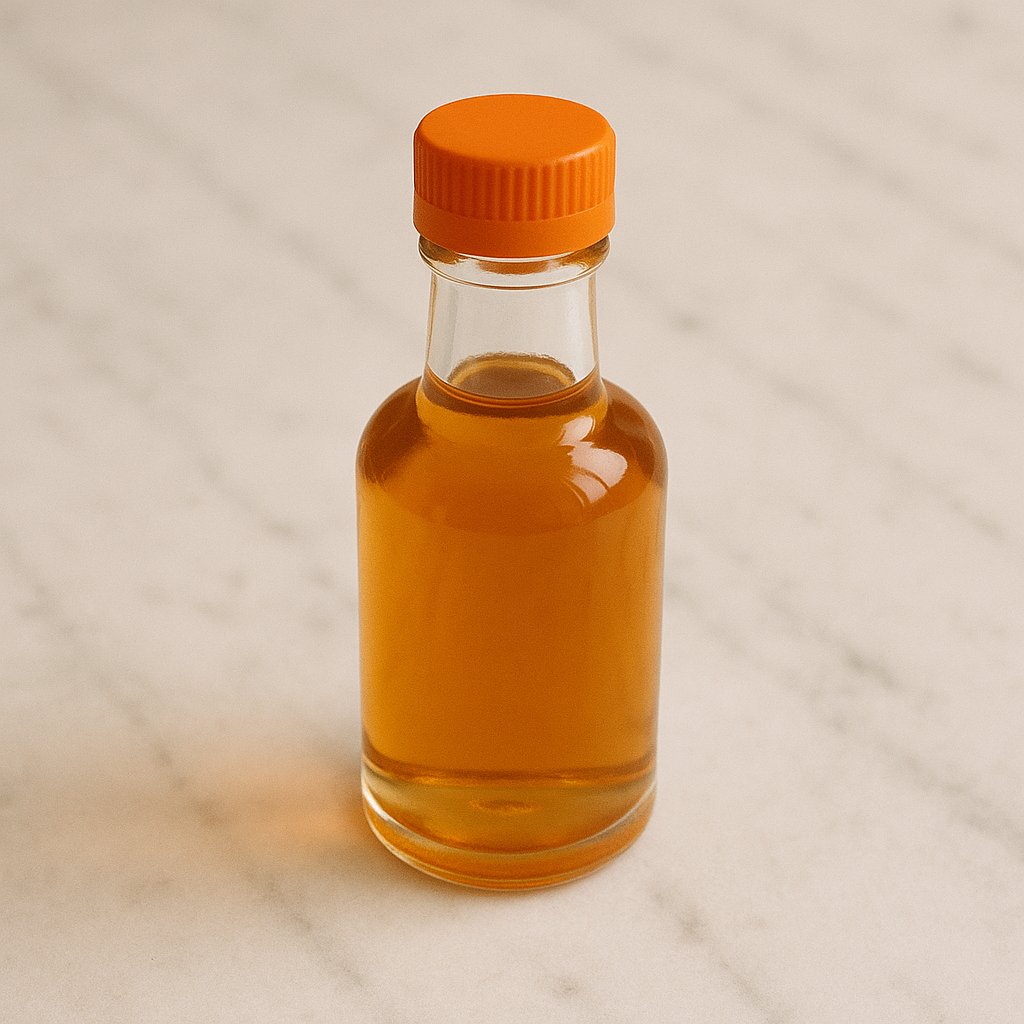
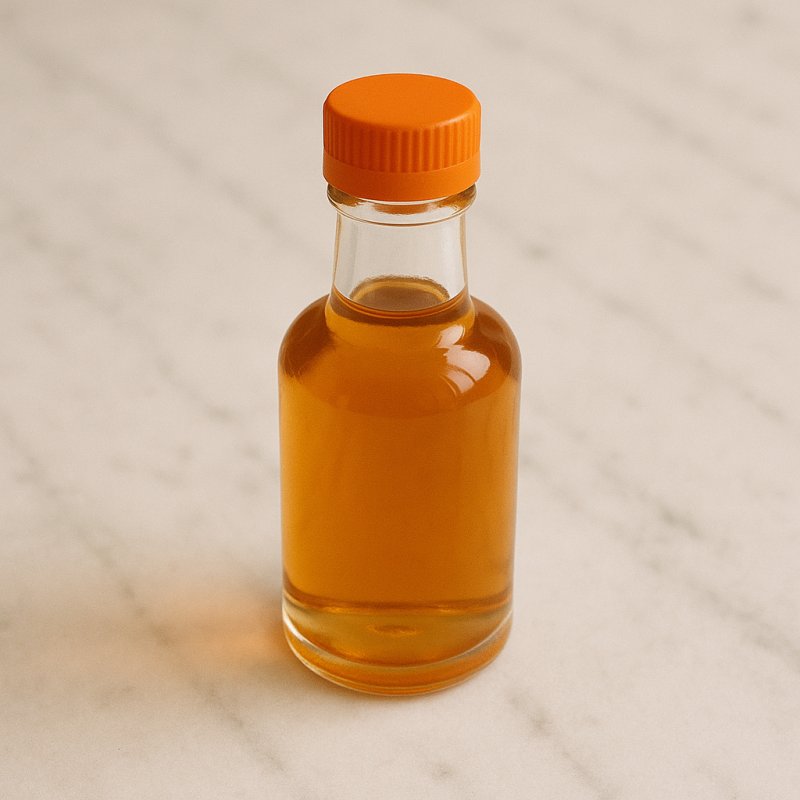
Orange flavoring is an aromatic and flavoring substance used in cooking, baking and in drinks. You can easily find it in supermarkets, drugstores or online. Sometimes the label simply says “orange oil”, “orange extract” or “orange flavoring” – these are different names for similar products. The important thing is: orange flavoring should bring the familiar, fresh taste of an orange even if no fresh fruit is present.
Origin
Orange flavoring usually comes from real oranges or from substances that smell like orange. When it comes from real fruit, the peel (peel = outer part of the fruit) is often used. The peel contains a lot of aromatic oil that smells strongly of orange. This oil can be pressed out, similar to how juice is pressed. There are also artificial flavorings: these are made in a laboratory and mimic orange taste. Artificial flavorings are not bad or dangerous; they are simply another way to create flavor.
Orange flavoring usually comes from real oranges or from substances that smell like orange. When it comes from real fruit, the peel (peel = outer part of the fruit) is often used. The peel contains a lot of aromatic oil that smells strongly of orange. This oil can be pressed out, similar to how juice is pressed. There are also artificial flavorings: these are made in a laboratory and mimic orange taste. Artificial flavorings are not bad or dangerous; they are simply another way to create flavor.
Growing regions
Oranges grow best in warm, sunny countries. The main growing regions are:
Oranges grow best in warm, sunny countries. The main growing regions are:
- Mediterranean region (e.g. Spain, Italy) – many oranges for juice and as fresh fruit come from there.
- USA (especially Florida and California) – known for large orange groves and juice production.
- South America (e.g. Brazil) – an important supplier of orange oil and juice.
- Asia (e.g. China, South Africa) – many oranges are also grown and exported there.
Depending on where the oranges grow, the aromas can be slightly different – similar to apples: an apple from your garden may taste different from one from another country.
Available types and variants
Orange flavoring is available in several forms. Here are the main ones, explained simply:
Orange flavoring is available in several forms. Here are the main ones, explained simply:
- Natural orange oil: It is pressed directly from the peel. It smells very fresh and intense, almost like a real orange. It's like freshly pressed orange juice, only more concentrated.
- Orange extract: This is when the flavor is extracted from the peel with alcohol or water. Extracts are milder than pure oil and work well for baking because they mix easily into dough.
- Artificial orange flavoring: Lab-made substances that smell like orange. They are often cheaper and very stable, so they have a long shelf life. Think of it as a recreated scent: it feels like orange but is not directly from the fruit.
- Orange oil blends: Sometimes orange oil is blended with other oils (e.g. lemon or mandarin) to create new fruity combinations. It's like mixing orange juice with a little lemon juice to get a different flavor.
- Orange flavoring in powder form: For some candies or instant drinks the flavoring is available as a powder. It's practical because it's easy to dose.
When you buy orange flavoring you can look for labels like “natural flavor” or “artificial flavor”. For cakes or drinks extracts and natural oils are very popular because they really taste like orange. Artificial flavorings are practical when you want something inexpensive and shelf-stable. That way you can easily find the orange flavoring that fits your recipe or taste.