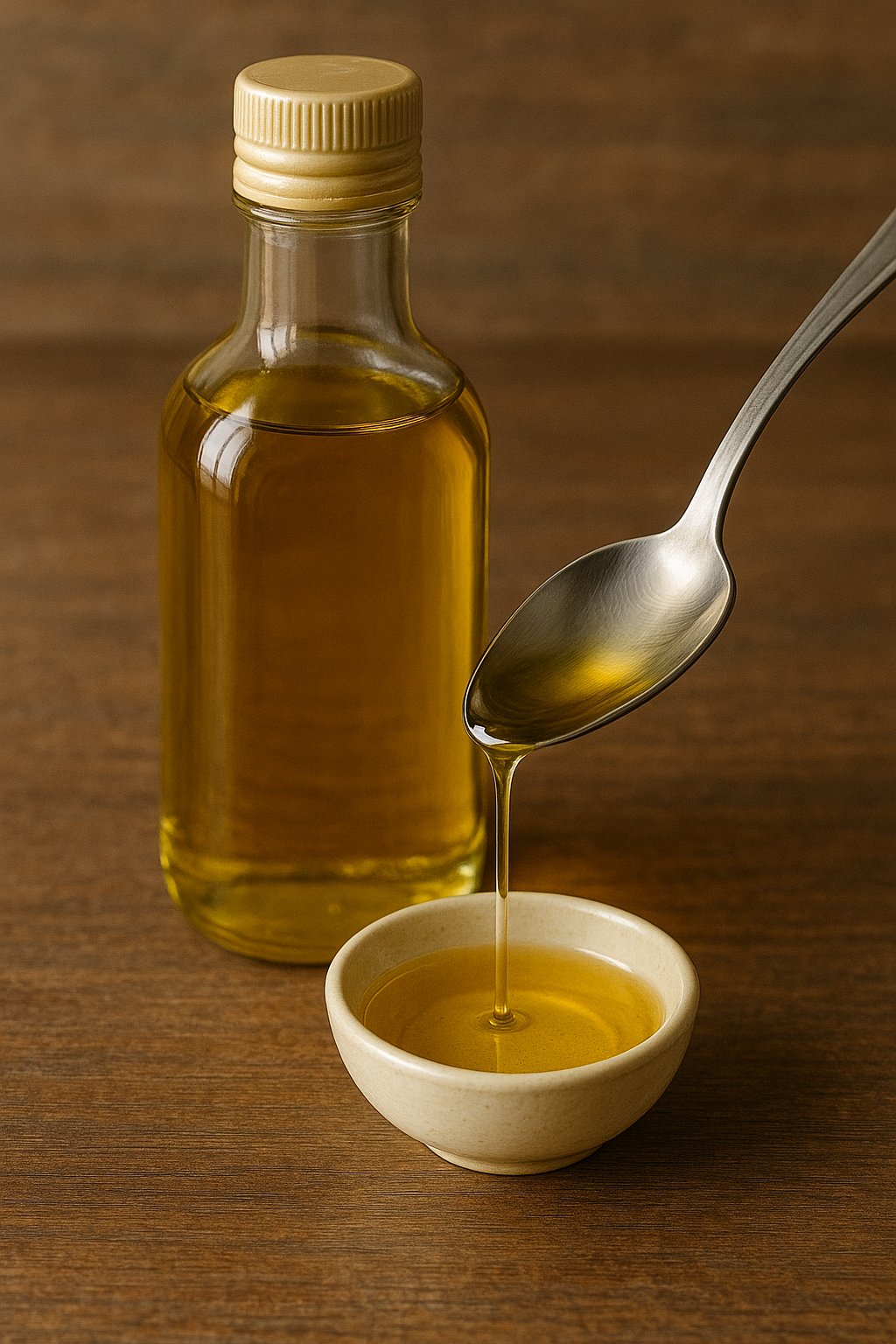
Availability and types of oil – that may sound complicated, but it's quite simple: oil is a liquid ingredient used in many kitchens around the world. You can find oil almost everywhere: in the supermarket, at the weekly market, in organic shops or online. There are different varieties because oils are made from different plants or fruits and depending on the type they taste different and are used differently.
Where does oil come from? Oils mostly come from plants or fruits. Some important places of origin are:
- Olive oil – often comes from countries around the Mediterranean such as Spain, Italy and Greece. Olives grow on trees and the oil is pressed from the fruit.
- Sunflower oil – is made from the seeds of sunflowers. Large growing regions include Eastern Europe, Russia, Argentina and parts of Germany.
- Rapeseed oil (sometimes called canola) – comes from yellow rapeseed fields; much of it is grown in Europe, Canada and China.
- Soybean oil – produced from soybeans, widely cultivated in the USA, Brazil and Argentina.
- Palm oil – comes from the fruit of the oil palm and is mainly produced in Indonesia and Malaysia. It is very productive, but production can cause problems for wildlife and forests.
- Coconut and sesame oil – come from tropical regions or parts of Asia and Africa.
- Avocado oil – comes from countries like Mexico and Peru, where many avocados are grown.
What variants are there? Oils differ not only by plant but also by how they are produced. Here are a few simple explanations:
- Extra virgin / Virgin oil – this is oil that is very gently pressed from the fruit, for example extra virgin olive oil. It tastes robust and is good for salads or dipping. It's like freshly pressed juice.
- Cold-pressed – means that little heat was used during pressing so the flavor is preserved.
- Refined – here the oil has been purified and sometimes heated. It smells and tastes more neutral and tolerates higher temperatures when cooking, for example when frying.
- High-heat oils – some oils, like rapeseed or sunflower oil, are good for frying because they can get hot without smoking.
- Flavored oils – e.g. garlic or chili oil, to which flavors have been added to help with seasoning.
In supermarkets you often see different bottles and price ranges: small glass bottles for special oils, large plastic bottles for everyday use. Organic shops often offer organic oils – that means the plants were grown without certain chemicals. For palm oil look for indications like "sustainably produced", because that helps you avoid products that have destroyed rainforest.
For storage: oils don't like direct sunlight or heat. Put the bottle in a cool, dark place. If an oil smells rancid (sour or musty), it's better not to use it anymore. When cooking it helps to have different oils for different purposes: a good virgin oil for flavor and a refined oil for frying. That way you find the right oil for each meal.