Availability and types of nougat
Nougat is a popular sweet found in many countries. If you want to imagine nougat, think of a soft mixture of sugar, honey, nuts and often chocolate — sometimes chewy, sometimes almost melting. Nougat originally comes from regions around the Mediterranean and the Middle East. Sweet nut mixtures were made there many hundreds of years ago. Today nougat is produced and offered almost everywhere, so it is easy to find in shops or bakeries.
Where does nougat come from?
Originally nougat comes from countries such as Italy, France and parts of the Middle East. In Italy there is a well-known variety called “torrone”, often eaten at festivals. In France “nougat” is also popular, especially the town of Montélimar is famous for it. Recipes have spread over time, which is why nougat is now also produced by manufacturers in Germany, Switzerland and other countries.
Originally nougat comes from countries such as Italy, France and parts of the Middle East. In Italy there is a well-known variety called “torrone”, often eaten at festivals. In France “nougat” is also popular, especially the town of Montélimar is famous for it. Recipes have spread over time, which is why nougat is now also produced by manufacturers in Germany, Switzerland and other countries.
Growing areas of the main ingredients
Nougat usually consists of nuts, sugar or honey and sometimes chocolate. The nuts often come from specific regions:
Nougat usually consists of nuts, sugar or honey and sometimes chocolate. The nuts often come from specific regions:
- Hazelnuts: many hazelnuts come from Turkey, Italy or Spain.
- Almonds: almonds grow largely in Spain, California (USA) and parts of the Mediterranean.
- Pistachios: these nuts often come from Iran, the USA or Turkey.
The sugar or honey that sweetens nougat is also produced worldwide. Honey is gathered where many flowers grow, and sugarcane or sugar beets grow in warm or temperate regions.
What types of nougat are there?
There are several well-known types of nougat that differ in taste and texture. Here are a few simple examples:
There are several well-known types of nougat that differ in taste and texture. Here are a few simple examples:
- White nougat (Torrone): This is often chewy and contains whole nuts. It tastes sweet and is enjoyed at holidays. Sometimes it is very firm, almost like a soft candy.
- Red or brown nougat: This variant often contains chocolate or caramel and is softer. Therefore it is easy to slice or even spread.
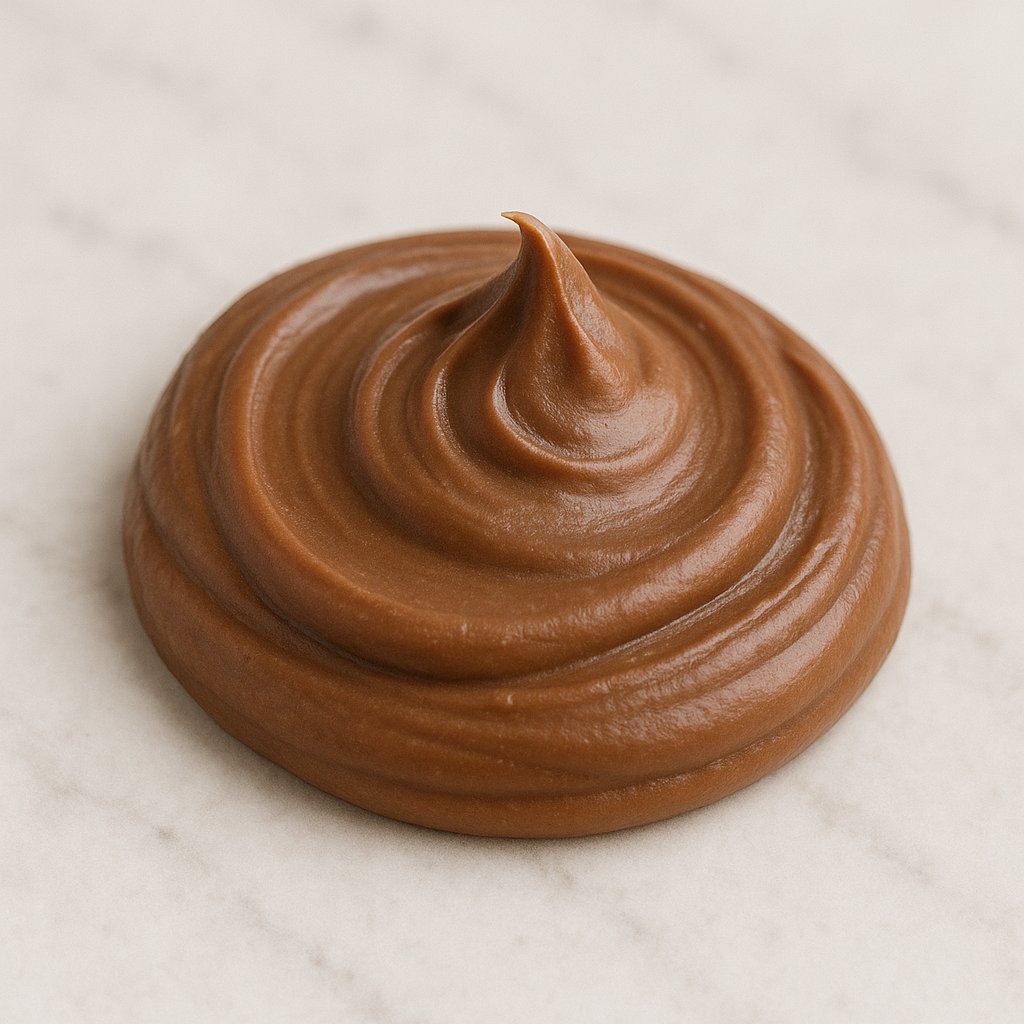
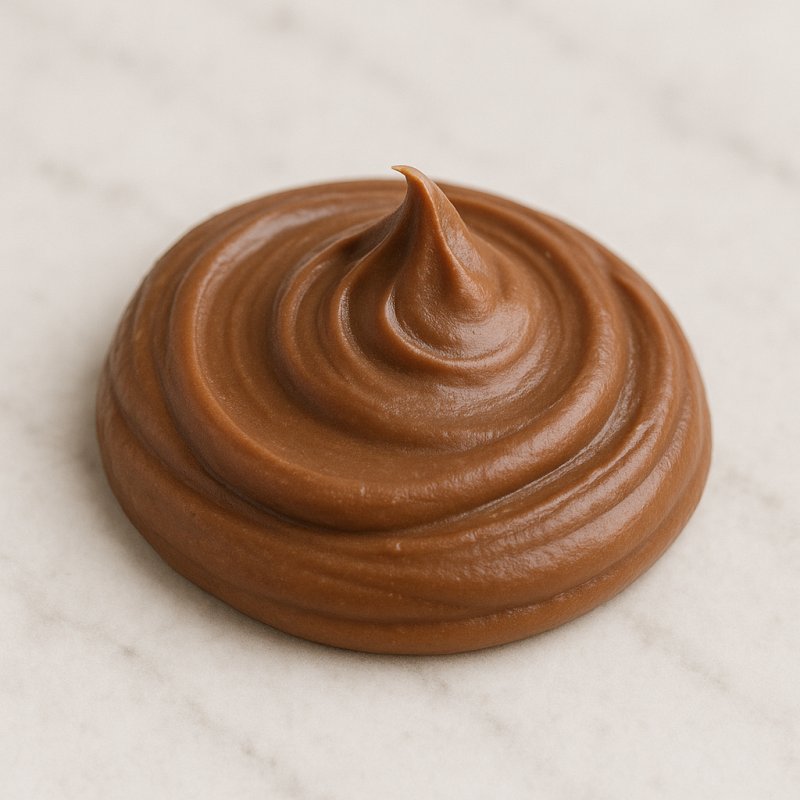
- Cream nougat (hazelnut cream): This is a spreadable version, similar to nut-nougat cream. Children often know it as a spread for bread. It is very smooth and melts in the mouth.
- Creamy praline nougat: In pralines you often find a small nougat core covered in chocolate. These are small, sweet and often very aromatic.
Why are there so many variants?
Nougat can be different because manufacturers use different nuts, amounts of sugar or chocolate. The way ingredients are mixed or how long they are heated also changes the consistency. Imagine making a pancake — depending on how much milk you use or how long you cook it, the pancake will be different. In the same way nougat changes through small tricks in production.
Nougat can be different because manufacturers use different nuts, amounts of sugar or chocolate. The way ingredients are mixed or how long they are heated also changes the consistency. Imagine making a pancake — depending on how much milk you use or how long you cook it, the pancake will be different. In the same way nougat changes through small tricks in production.
Where can you get nougat?
You can find nougat in the supermarket in different forms: bars, sticks, jars as a cream or in pralines. Bakeries and confectioners often make their own nougat varieties, especially at Christmas time. At markets or in specialty sweet shops you can sometimes discover special varieties from other countries.
You can find nougat in the supermarket in different forms: bars, sticks, jars as a cream or in pralines. Bakeries and confectioners often make their own nougat varieties, especially at Christmas time. At markets or in specialty sweet shops you can sometimes discover special varieties from other countries.
In summary: nougat has its roots in the Mediterranean and the Middle East, is produced worldwide today, and there are many varieties — from firm, nutty pieces to creamy spreads. Which variant you like best you can easily find out by trying several.