Availability and types
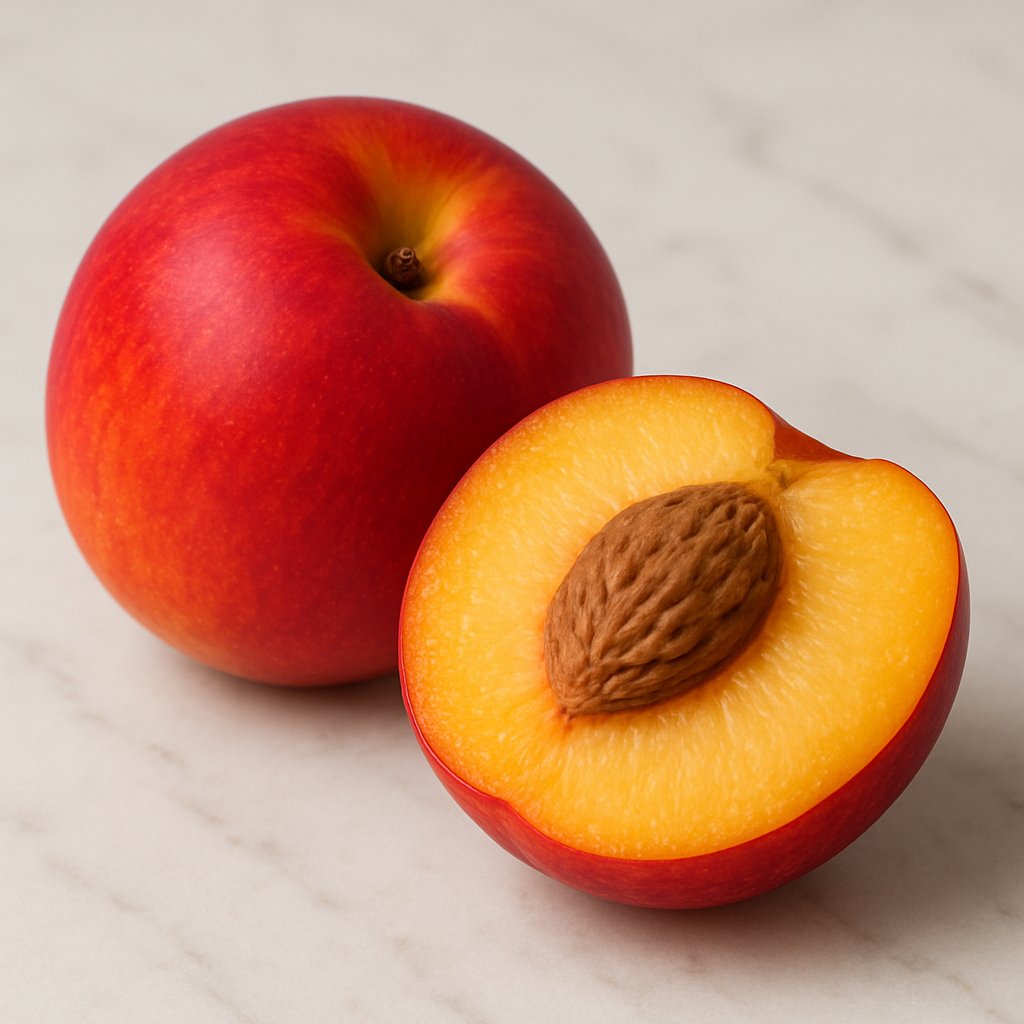
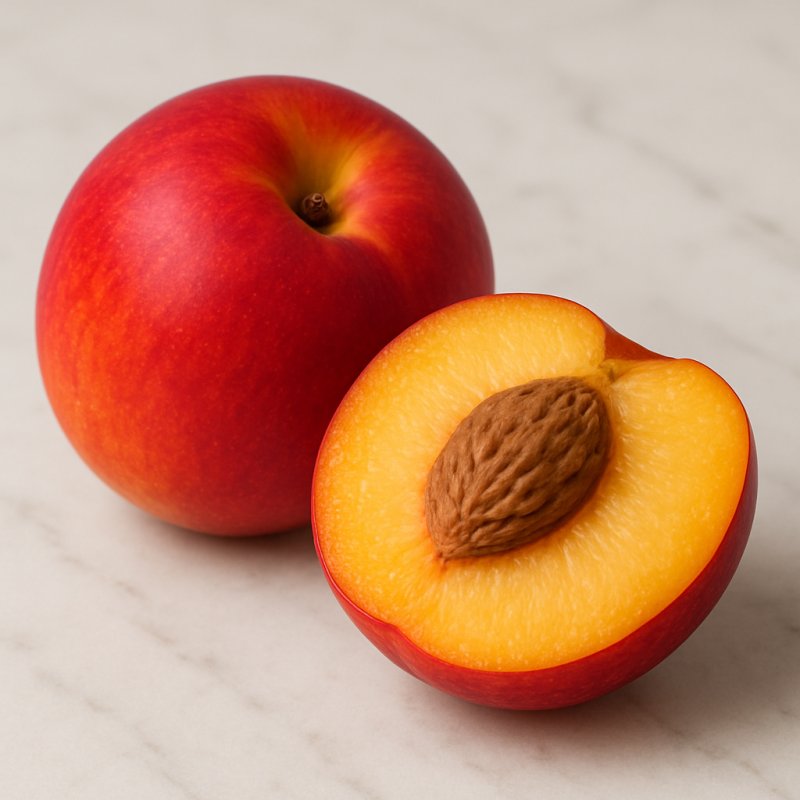
The nectarine is a fruit closely related to the peach but with smooth skin instead of the tiny hairs. It originally comes from China and has been cultivated there for thousands of years. From there it reached Europe via trade routes and later spread around the world. Today nectarines grow in many warm regions because they like sun and a long, warm summer.
Where nectarines are grown
In Europe major growing areas include Spain, Italy, Greece and Turkey. In North America California is particularly known for large harvests. In South America countries like Chile supply nectarines during our winter months, and Australia and South Africa also grow them. This means that depending on the season nectarines in the shop come from different parts of the world.
In Europe major growing areas include Spain, Italy, Greece and Turkey. In North America California is particularly known for large harvests. In South America countries like Chile supply nectarines during our winter months, and Australia and South Africa also grow them. This means that depending on the season nectarines in the shop come from different parts of the world.
When nectarines are available
In the northern hemisphere (e.g. Europe, USA) the main season is usually from May or June until September or October. In the southern hemisphere (e.g. Chile, Australia) they ripen roughly from November to March. Thanks to imports and preservation (such as freezing or canning) you can often buy nectarines almost year‑round, but they are freshest and juiciest in season.
In the northern hemisphere (e.g. Europe, USA) the main season is usually from May or June until September or October. In the southern hemisphere (e.g. Chile, Australia) they ripen roughly from November to March. Thanks to imports and preservation (such as freezing or canning) you can often buy nectarines almost year‑round, but they are freshest and juiciest in season.
Which varieties and types exist?
There are several simple differences to know:
There are several simple differences to know:
- Skin: nectarines have smooth skin. That is the main difference to the peach.
- Flesh color: some nectarines have yellow flesh, others white. Yellow ones are often a bit more tart, white ones usually sweeter — but not always.
- Stone adherence: there are Freestone varieties and Clingstone varieties. That means: with Freestone the pit separates easily from the flesh (convenient for slicing), with Clingstone the flesh adheres more to the pit.
- Early- to late-ripening varieties: some varieties ripen early in the summer, others later. Hence terms like “early variety” or “late variety”. This allows growers to harvest nectarines over a longer period.
- Size and color: there are small and large nectarines, and those with more or less red to orange skin. The red color is often only on the surface; inside the flesh can still be light or dark.
Processed variants
Besides fresh nectarines you can also find them preserved (in jars), frozen (good for smoothies), dried (as a snack) or in cans/compotes. These variants extend availability and are practical when fresh nectarines are not available.
Besides fresh nectarines you can also find them preserved (in jars), frozen (good for smoothies), dried (as a snack) or in cans/compotes. These variants extend availability and are practical when fresh nectarines are not available.
Buying and storing – simple tips
At purchase look for fruits that are firm but yield slightly, without bruises. Ripe nectarines smell sweet. At home they keep for several days in the refrigerator; if you want to eat them quickly you can let them ripen on the counter for a few days. At the weekly market you often find the freshest seasonal varieties, while supermarkets tend to offer more imported goods.
At purchase look for fruits that are firm but yield slightly, without bruises. Ripe nectarines smell sweet. At home they keep for several days in the refrigerator; if you want to eat them quickly you can let them ripen on the counter for a few days. At the weekly market you often find the freshest seasonal varieties, while supermarkets tend to offer more imported goods.
In summary: nectarines originate from China, are now grown worldwide and are especially fresh in summer. There are yellow and white varieties, Freestone and Clingstone types, as well as early and late varieties. You can also buy nectarines fresh, frozen, dried or preserved — so you can find them almost year‑round, though best in season.