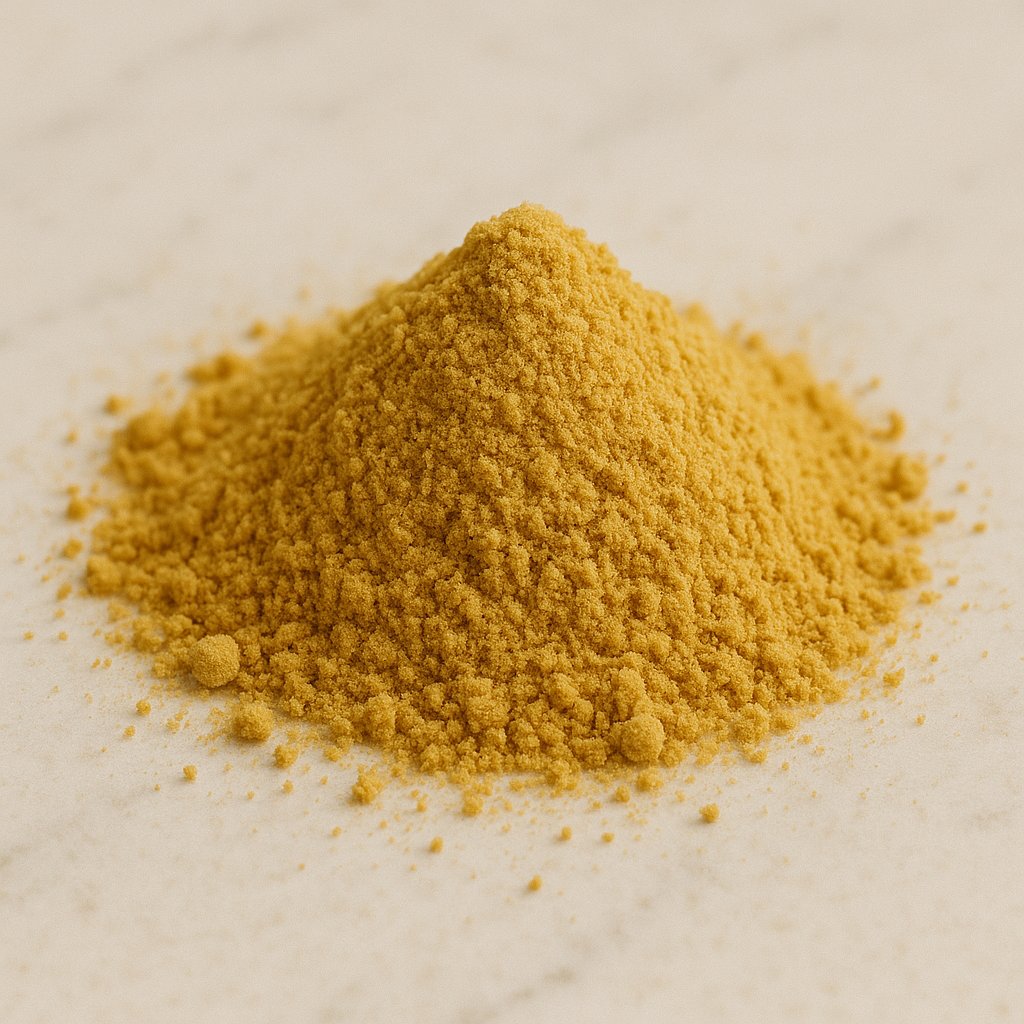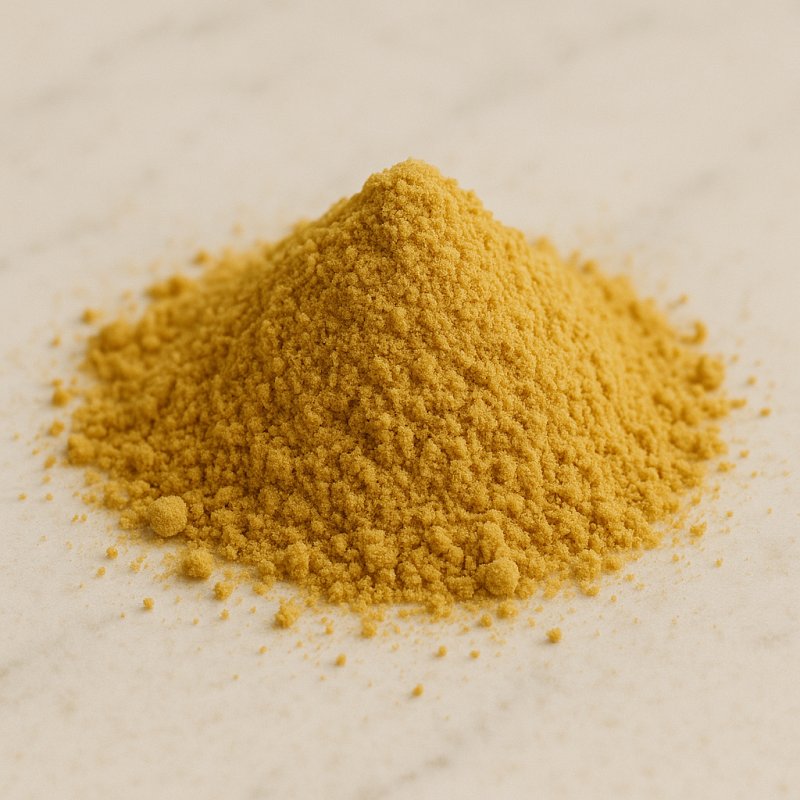
Availability and types of mustard powder are quite diverse and easy to understand. Mustard powder is produced by grinding dried mustard seeds. These seeds grow on plants that belong to the same family as cabbage and rapeseed. You can think of the different mustard varieties like family members: they look similar but have different tastes.
Origin
Mustard seeds come from countries with temperate climates. The plants are usually called Sinapis or Brassica and have been cultivated for many hundreds of years. Some regions are especially known for their mustard plants because climate and soil are well suited. Important countries of origin include, for example, Canada, India, China as well as parts of Europe and the USA. Canada is a large producer of light seeds, while India often grows hotter varieties.
Growing areas
Mustard is grown in many parts of the world. It grows in fields similar to cereal crops. Farmers plant mustard where there is enough sun and not too much rain. In cooler regions seeds tend to mature lighter, in warmer areas the pungency can be stronger. Small farms in Asia, large fields in North America and many operations in Europe supply the seeds that are later ground.
Available types and variants
There are three main types of mustard seeds that you can buy as powder. Each has its own flavor:
- Yellow/white mustard powder (from Sinapis alba): This is mild and slightly piquant. You can compare it to ordinary black pepper, but milder. Many ready mixes and classic mustards use this powder because it is well tolerated by most people.
- Brown mustard powder (from Brassica juncea): This has more bite, so more heat. It is a bit reminiscent of hot horseradish, but with a different flavor. India often uses this variety for hot mustard sauces.
- Black mustard powder (from Brassica nigra): Very strong and spicy. For people who like really bold flavors. It is sold less often because it is very intense.
Additionally, there are variants such as roasted mustard powder, which tastes nuttier, or stone-ground powder, which is coarser and more intense. You will also find blends: for example mustard powder mixed with turmeric for yellow mustard or with herbs and salt as a spice. Sometimes the pack reads “Mustard flour” or “mustard powder” – it’s the same thing.
Where to buy
Mustard powder is available in supermarkets, well-stocked spice shops, Asian or Indian markets, health-food stores and online. Some shops sell it in large bags (for commercial kitchens or preserving), others in small tins for home use. There are also organic options if you prefer the plants to have been grown without certain chemicals.
Mustard powder is available in supermarkets, well-stocked spice shops, Asian or Indian markets, health-food stores and online. Some shops sell it in large bags (for commercial kitchens or preserving), others in small tins for home use. There are also organic options if you prefer the plants to have been grown without certain chemicals.
One last tip: mustard powder reacts with water and develops its flavor. At home you can experiment with different types to see how mild or hot your mustard will become. Mustard powder is therefore versatile, available in many variants and usually easy to find.