Menu & categories

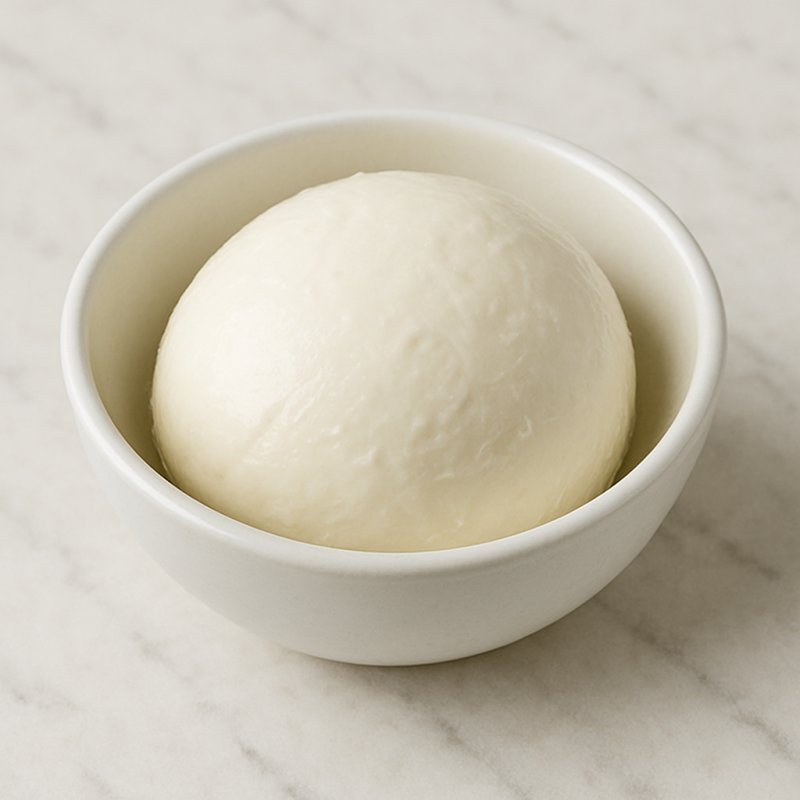
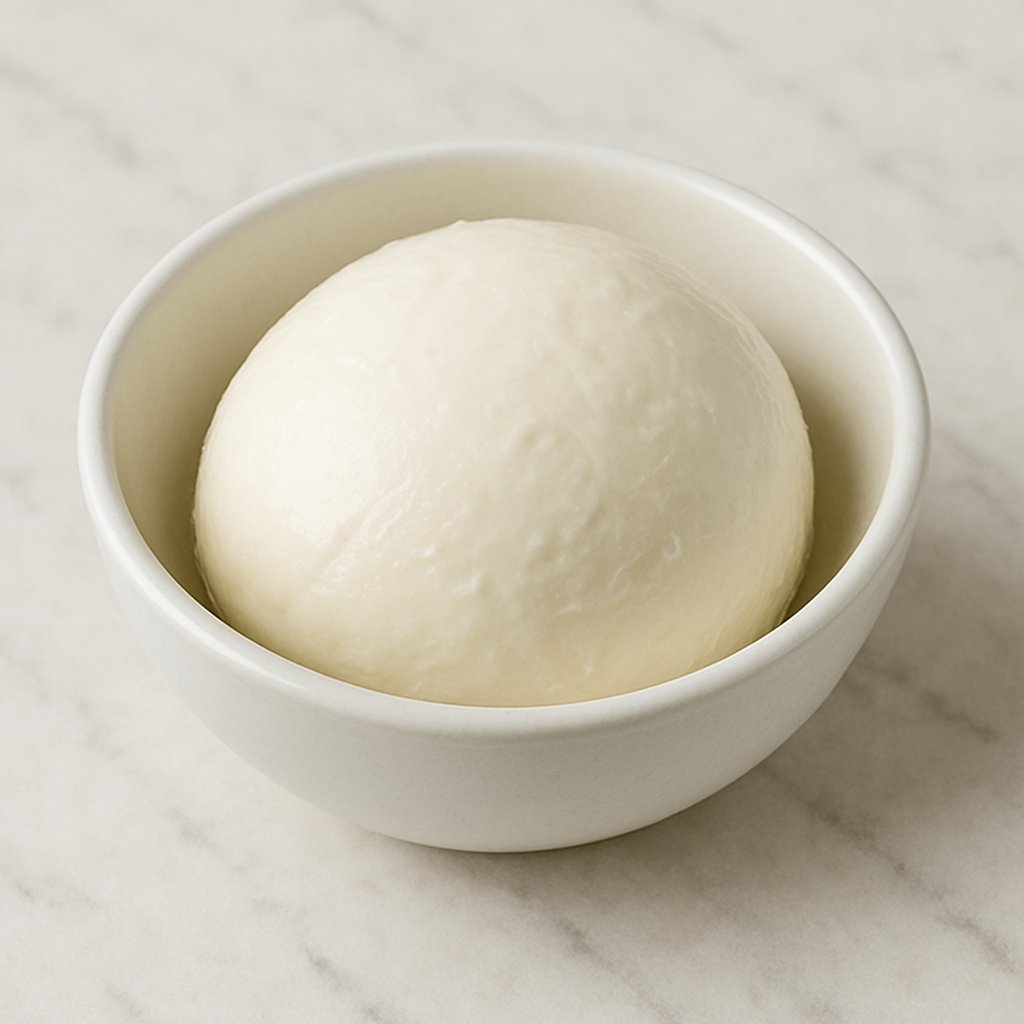
Mozzarella

Mild, soft cheese made from cow's milk with high protein content

Wiki about mozzarella Nutri-Score C Vegan No Gluten-free Yes Lactose-free No Nut-free Yes
NUTRITION / 100 g
250 kcal 18 g Protein 2 g Kohlenhydrate 19 g Fett

Introduction

Fresh sliced mozzarella cheese
I have a very special relationship with Mozzarella, that soft, white ball that looks so unassuming and yet turns every pizza, salad or bruschetta into something homely. I still remember the first summer when I sat with friends in a small trattoria and a piece of fresh mozzarella on the plate told me more about Italy than any guidebook. A colleague of mine jokingly called it "the cloud of the kitchen" – and the description stuck with me.

Mozzarella is not all the same. There is the classic buffalo mozzarella with its rich, slightly tangy flavor and the lighter cow's milk variant that is everyday-friendly and versatile. At home I have a small selection of favorite kinds: the delicate Fior di Latte for salads, the creamy buffalo mozzarella for special evenings and the lightly smoked variety for savory experiments. These differences are not only a matter of taste; they also determine the right pairing with tomatoes, basil or roasted vegetables.

When cooking, mozzarella often tells me whether a dish has worked. If, when heating it, I pull that characteristic string, I immediately know the quality is right. Once I wanted to serve a pizza to guests at a spontaneous dinner and accidentally used too much mozzarella. The result was decadent, sticky and absolutely loved; we laughed a lot while wiping our hands and dipping bread.

For me mozzarella is more than an ingredient: it is a mood lifter, a small everyday luxury and a bridge between simple and festive dishes. When I shop I often smell the package, gently feel the ball and decide intuitively whether it will accompany the evening. Mozzarella remains down-to-earth enough to shine in a quick sandwich and at the same time distinctive enough to show what it can do in special recipes.

  • Texture: soft, elastic, often with the characteristic stringiness
  • Taste: mild to slightly tangy, depending on the milk
  • Use: salads, pizza, oven dishes, antipasti

Availability & types

Availability and types

Mozzarella is a very popular cheese that can be found in many shops around the world. It originally comes from Italy, more precisely from the Campania region near Naples, where it was traditionally made mainly from buffalo milk. Today mozzarella is produced in many places because people in many countries like pizza, salads or bread with mozzarella.

Where does mozzarella come from today?
Mozzarella is not only made in Italy today. Many countries with livestock produce mozzarella, such as Germany, France, the USA and parts of South America. The reason is simple: mozzarella needs milk, and where there are cows or water buffalo it can be produced. In Italy Mozzarella di Bufala is still particularly famous and regarded as very flavorful.

What varieties and variants exist?
There are different kinds of mozzarella. You can imagine it like apples: there are many varieties that taste different and are used in different ways. The most important types are:

  • Mozzarella di Bufala – This mozzarella is made from the milk of water buffalo. It tastes very rich and creamy. It is often somewhat softer and has a stronger flavor than cow's milk mozzarella. In Italy it has a special name and is often sold fresh.
  • Mozzarella from cow's milk (Fior di Latte) – This is the most common variety in supermarkets. It is mild in flavor and is well suited for pizza, salads (like Caprese) or for gratinating. Fior di Latte means "flower of milk" and sounds pleasant because it is fresh and tender.
  • Mozzarella balls – Mozzarella is often sold in small balls. They come in different sizes: small pearls (bocconcini or ciliegine) are ideal for salads, medium balls are nice on a plate, and larger balls can be sliced.
  • Grated or block mozzarella – For pizza or gratinating people often buy grated mozzarella or a block to grate themselves. This melts well and makes a nice golden crust.
  • Light or reduced-fat variants – For people who want to eat less fat, there are lighter versions. They taste somewhat different but are an alternative.
  • Vegan mozzarella – For people who do not eat animal products, there are now plant-based cheeses that look like mozzarella and melt similarly. They are made from ingredients such as soy, coconut fat or nuts.
How fresh is mozzarella available?
Fresh mozzarella, especially buffalo mozzarella, is often sold in water or brine to keep it juicy. Such fresh cheese has a soft texture and should be eaten within a few days. The mozzarella on the refrigerated shelf, intended for pizza, keeps longer. When shopping you can check the best-before date and whether it is in liquid – that is a sign of freshness.

In summary: mozzarella exists in many variants – from buffalo or cow's milk, as small balls, grated or even vegan. It is nowadays produced in many countries, is easy to find in supermarkets and is suitable for many dishes. Just as there are different kinds of bread, there are also different types of mozzarella for different tastes and uses.
Details & nutrition

Property Value
Unit g
Average weight per piece 125
Calories per 100 250
Protein per 100 18
Carbohydrates per 100 2
Sugar per 100 1
Fat per 100 19
Saturated fat per 100 12
Monounsaturated fat 5
Polyunsaturated fat 0.8
Fiber per 100 0
Vitamin C (mg) per 100 0
Vitamin D (IU) per 100 40
Calcium (mg) per 100 500
Iron (mg) per 100 0.3
Nutri-Score C
CO₂ footprint 5.0
Origin Mostly from cow's milk, originally from Italy
Gluten-free Yes
Lactose-free No
Nut-free Yes
Vegan No
Note Nutritional values for classic cow's milk mozzarella, matured in brine. May vary slightly depending on fat content and manufacturer.

Technical & scientific information

Mozzarella is a fresh, white cheese of Italian origin, originally made from cow's milk (Mozzarella di Latte di Bufala from water buffalo milk is a traditional variant). Characteristic are its elastic, slightly fibrous texture, a mild, milky taste and a high water content. Mozzarella belongs to the group of fresh or pasta-filata cheeses, which obtain their typical consistency through a special kneading and stretching technique (Italian pasta filata).

Basic composition and constituents
The chemical composition of mozzarella varies depending on production method and moisture content, but typically is about 45–60 % moisture, 18–22 % fat in dry matter, 18–22 % protein and about 1–2 % lactose. Minerals such as calcium (in the range of approx. 400–800 mg/100 g dry matter) as well as phosphorus and sodium are present. The proteins consist predominantly of caseins, with the physical structure stabilized by calcium-caseinate interactions. Milk lipids are present as fat globules that during cheese production become embedded in the protein matrix.

Manufacturing process (technical procedure)
The production of mozzarella comprises several central steps:

  • Milk treatment: pasteurisation or thermal treatment of the milk, and if necessary standardisation of the fat content.
  • Coagulation: addition of rennet and lactic acid bacteria leads to coagulation and formation of the curd.
  • Curd preparation and heating: the curd is cut, washed and heated to a higher temperature so that it becomes plastic.
  • Pasta-filata process: the heated cheese mass is kneaded and stretched, creating long protein fibres and forming the typical elastic structure.
  • Shaping and cooling: shaping (e.g. into balls), shocking in cold water and, if applicable, a salt bath for water and salt uptake.
Targeted manipulation of temperature, pH and stretching influences the texture, moisture and melting behavior of the final product.
Nutritional profile and dietetic aspects
Mozzarella provides energy mainly from fat and protein. Typical nutritional values for classic full-fat mozzarella are about 250–300 kcal per 100 g, with around 18–25 g fat, 18–22 g protein and 1–3 g carbohydrates (mainly lactose). The cheese is a good source of bioavailable calcium, phosphorus and vitamins A and B12. Due to its relatively high water content the energy density is moderate compared to aged, drier cheeses.
Technology and functionality in foods
Mozzarella is characterized by pronounced melting and stretching properties, which make it particularly suitable for dishes like pizza and lasagne. On heating, melting of the fat phase and reorientation of the protein fibres lead to string formation. The water content influences the release of fat and whey during heating; higher moisture promotes juicier melting but can also lead to increased acid formation and shorter shelf life.
Hygiene, shelf life and health aspects
As a fresh cheese, mozzarella is more susceptible to microbial changes than aged cheeses. Storage at refrigerator temperatures (0–4 °C) and hygienic production reduce risks. Pasteurised variants minimise the risk of pathogenic organisms. People with lactose intolerance may tolerate small amounts depending on individual tolerance, since part of the lactose is broken down during fermentation; for pronounced lactose intolerance lactose-free alternatives are recommended. From a nutritional-medical perspective, the fat and sodium content should be considered in certain diets.
Variants and labelling
Several variants exist, such as Fior di Latte (from cow's milk), Mozzarella di Bufala Campana (protected designation of origin, water buffalo milk) and fiocco or stracciatella variants. Labelling can include information on fat levels, shelf-life and origin, which are important for consumers.
Mozzarella combines simple raw materials with a specialized processing technique whose control of pH, temperature and mechanical treatment determines the sensory and technological properties of the cheese. This makes it a versatile product both in the kitchen and in food technology.
Wiki entry for: mozzarella
Active now: 18 visitors of which 2 logged-in members in the last 5 minutes