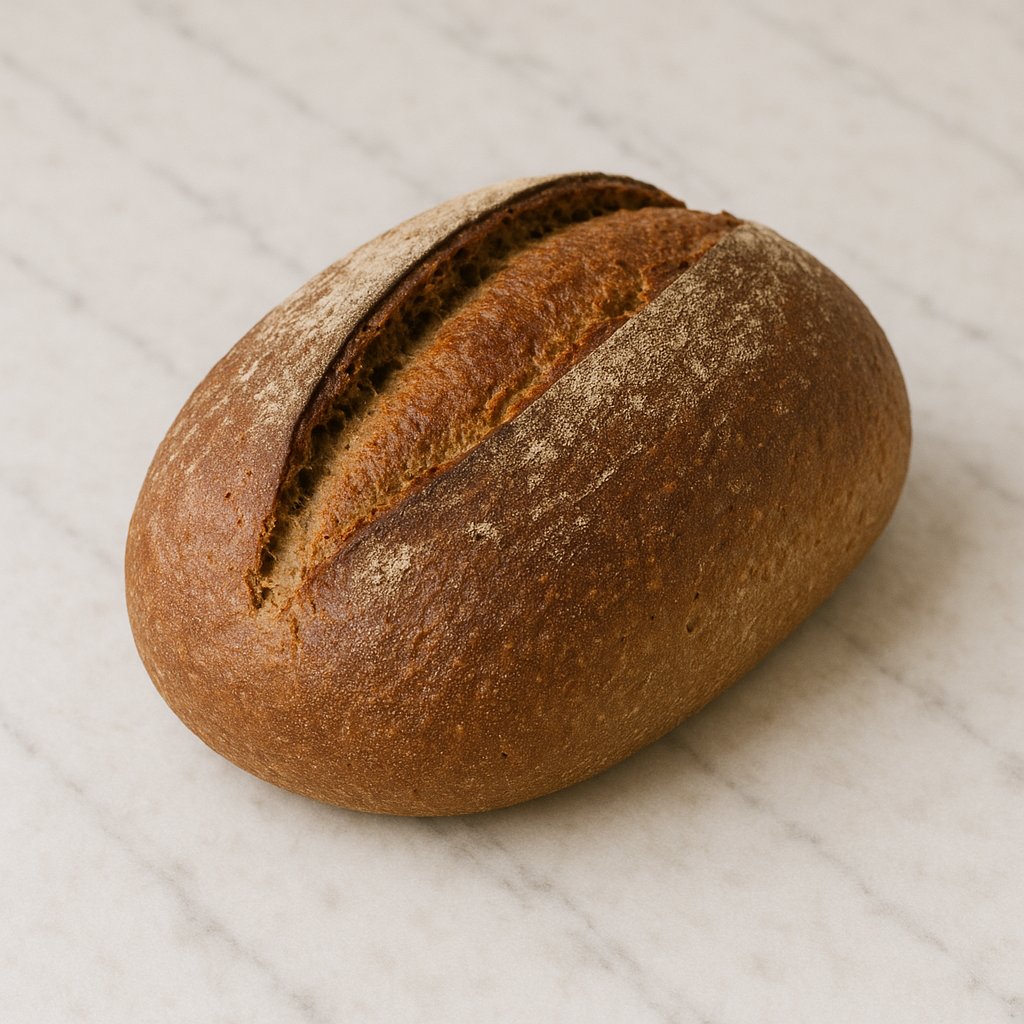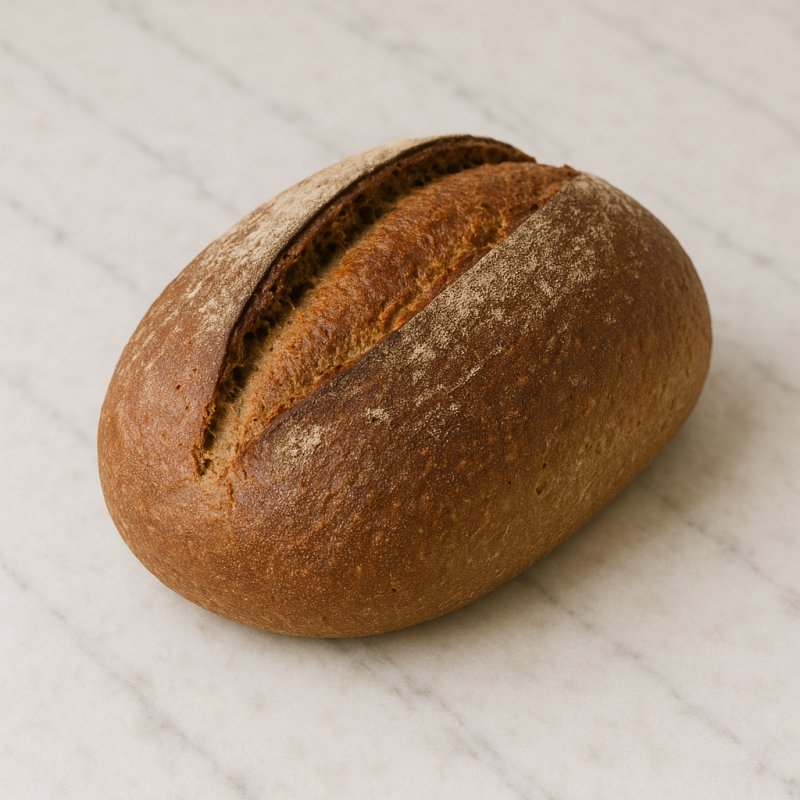
Availability and types of mixed bread (rye-wheat)
Mixed bread is a very common bread made from rye and wheat. The idea is to combine the strong characteristics of rye with the airy structure of wheat. That makes mixed bread tasty and practical for many people – it is moist, often has a nice crust and stays fresh longer than pure wheat bread.
Origin and cultivation areas
Rye and wheat grow in many parts of Europe. Rye prefers colder and rougher soils, so it is often found in Northern and Eastern Europe. Wheat, on the other hand, grows particularly well in warmer, more fertile areas such as Central Europe. Large areas in Germany, Poland, Russia and Scandinavia are planted with rye and wheat. Farmers choose whether to grow more rye or more wheat depending on climate and soil. You can picture it like this: rye is the robust friend who still smiles in bad weather, wheat is the more delicate one that tastes finer.
Rye and wheat grow in many parts of Europe. Rye prefers colder and rougher soils, so it is often found in Northern and Eastern Europe. Wheat, on the other hand, grows particularly well in warmer, more fertile areas such as Central Europe. Large areas in Germany, Poland, Russia and Scandinavia are planted with rye and wheat. Farmers choose whether to grow more rye or more wheat depending on climate and soil. You can picture it like this: rye is the robust friend who still smiles in bad weather, wheat is the more delicate one that tastes finer.
Available varieties and variants
Mixed bread comes in many variants because bakers play with the ratio of rye to wheat or add additional ingredients. Here are some typical types, simply explained:
Mixed bread comes in many variants because bakers play with the ratio of rye to wheat or add additional ingredients. Here are some typical types, simply explained:
- Semi-wheat or 50/50 mixed bread: Rye and wheat are roughly equally distributed. The bread is balanced – not too heavy, not too airy.
- Rye-dominant mixed bread: More rye than wheat. This bread is often stronger in flavor, denser and slightly more sour. It keeps longer.
- Wheat-dominant mixed bread: More wheat than rye. It is softer, airier and closer to regular wheat bread, but with a slightly rustic taste.
- Wholegrain mixed bread: Whole grains are used, meaning bran and germ are still present. The bread is nuttier and contains more fiber. It feels heartier and is more filling.
- Sourdough mixed bread: Sourdough is often used, a natural culture of bacteria and yeasts that gives the bread a light acidity and special shelf life. Sourdough makes the flavor more interesting, similar to yogurt compared to regular milk.
- With seeds and grains: Some mixed breads also contain sunflower seeds, flax or sesame. It's like having muesli in the bread – it makes texture and flavor more varied.
How to find the right mixed bread?
Bakeries often have small signs indicating how much rye and how much wheat is in the bread. Supermarkets offer many packaged varieties with labels like "rye content 70%" or "wholegrain." When you try them, pay attention to the crust, the smell and how the bread looks: darker, firmer breads usually have more rye, lighter and softer breads more wheat.
Bakeries often have small signs indicating how much rye and how much wheat is in the bread. Supermarkets offer many packaged varieties with labels like "rye content 70%" or "wholegrain." When you try them, pay attention to the crust, the smell and how the bread looks: darker, firmer breads usually have more rye, lighter and softer breads more wheat.
Why are there so many variants?
People like different textures and flavors. Some want a bread that stays fresh longer, others want a soft breakfast bread. Bakers and producers therefore combine rye and wheat in different ratios and add seeds or sourdough. It's a bit like ice cream: you can mix vanilla and chocolate, but depending on the mix the result tastes different.
People like different textures and flavors. Some want a bread that stays fresh longer, others want a soft breakfast bread. Bakers and producers therefore combine rye and wheat in different ratios and add seeds or sourdough. It's a bit like ice cream: you can mix vanilla and chocolate, but depending on the mix the result tastes different.
Overall mixed bread (rye-wheat) is easy to find – in bakeries, supermarkets and at weekly markets – and there are many varieties so there is something for almost every taste. It combines the stability of rye with the lightness of wheat and thus offers a wide range of textures and aromas.