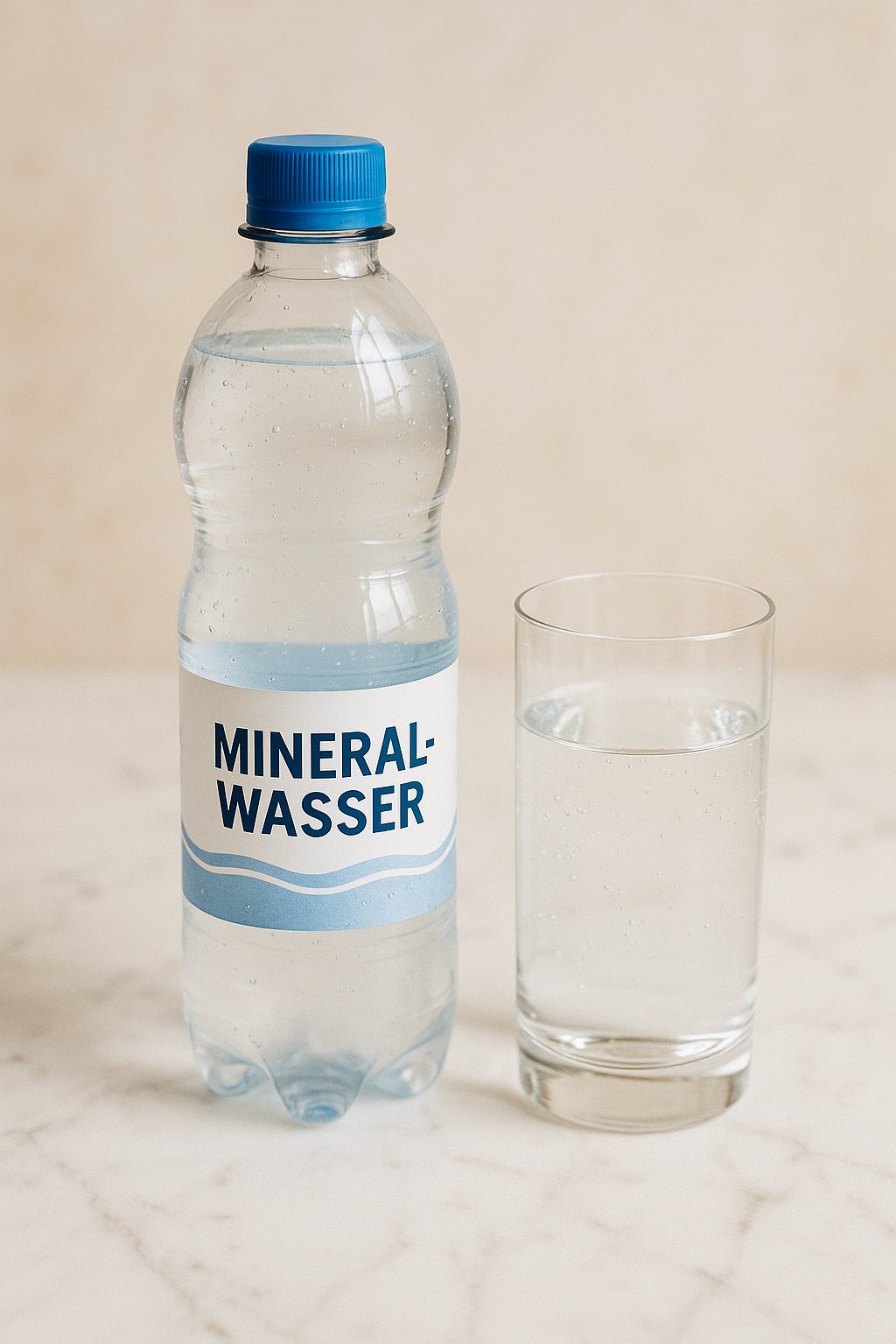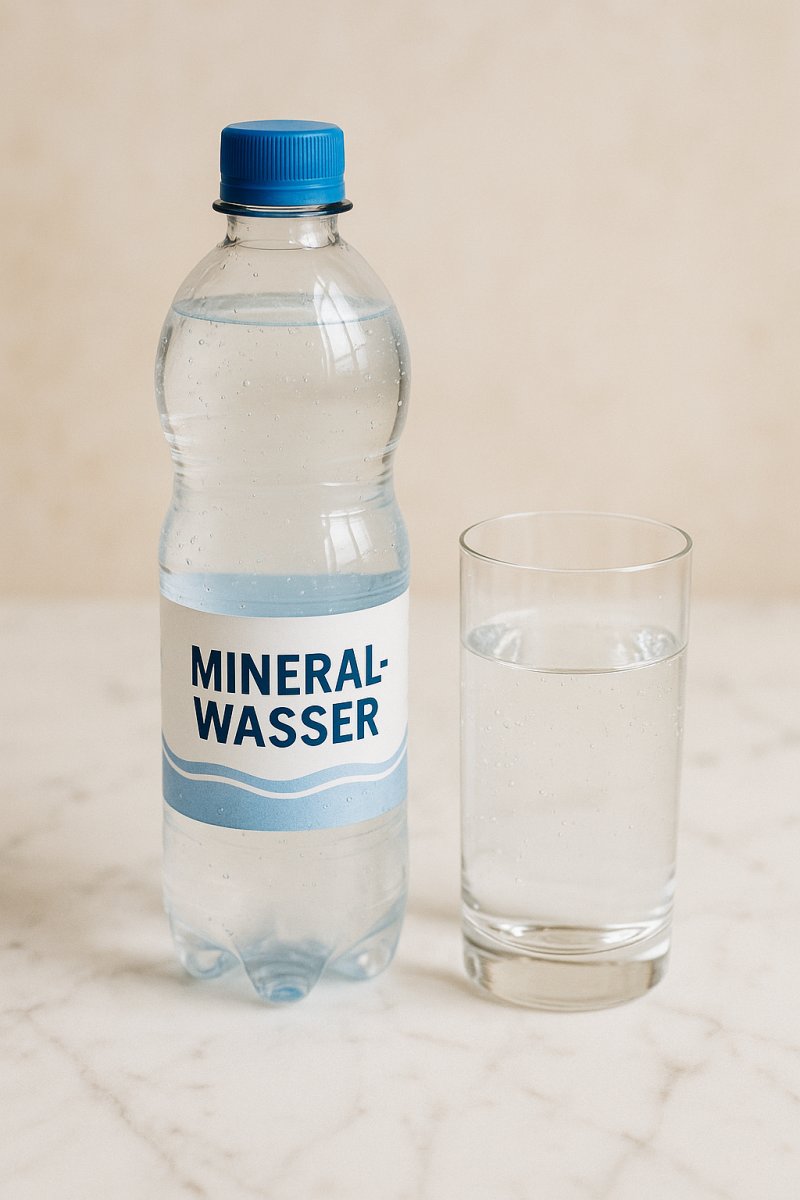
Mineral water comes from the ground and is like a natural drinking fountain in a bottle. Rainwater percolates into the ground, often remains there for a long time and in the process takes up minerals from rock and soil. These minerals give the water a distinctive taste and can be, for example, calcium or magnesium. When the water then emerges again at a spring, it can be bottled as mineral water.
Origin
Mineral water always has a fixed place of origin: a spring or an underground deposit. Often these are areas with particular rocks or mountains where the water could “mature” for a long time. You can think of it like tea that steeps longer and therefore tastes different. In Germany and Europe well-known origin regions include the Alps, the Black Forest, the Eifel or the Harz. But there are also mineral waters from other countries, such as Italy or France. The bottle usually states the name of the spring or the region so you know where the water comes from.
Mineral water always has a fixed place of origin: a spring or an underground deposit. Often these are areas with particular rocks or mountains where the water could “mature” for a long time. You can think of it like tea that steeps longer and therefore tastes different. In Germany and Europe well-known origin regions include the Alps, the Black Forest, the Eifel or the Harz. But there are also mineral waters from other countries, such as Italy or France. The bottle usually states the name of the spring or the region so you know where the water comes from.
Production areas (spring regions)
By “production areas” in this context is meant where the springs are located. These are often clean, nature-close areas like mountains or volcanic regions. These regions are important because nature there filters the water and enriches it with minerals. Therefore producers take care to protect the spring so that the water remains pure. You can compare it to an apple orchard: the cleaner the environment, the better the fruit — here it is the water.
By “production areas” in this context is meant where the springs are located. These are often clean, nature-close areas like mountains or volcanic regions. These regions are important because nature there filters the water and enriches it with minerals. Therefore producers take care to protect the spring so that the water remains pure. You can compare it to an apple orchard: the cleaner the environment, the better the fruit — here it is the water.
Available types and variants
Mineral water comes in many variants. Here is a simple overview:
Mineral water comes in many variants. Here is a simple overview:
- Still water: without carbon dioxide. It is mild in taste and suitable for meals or for children who do not like bubbles.
- Medium: lightly sparkling, with little carbon dioxide — like a small pinch of fizz.
- Sparkling (carbonated): with many bubbles, refreshing and tingly, like a carbonated drink.
- Naturally carbonated: some sources bring carbon dioxide with them naturally; other producers deliberately add carbon dioxide. The bottle sometimes indicates whether the carbonation is natural.
- Flavored: lightly flavored mineral water with fruit flavor (e.g. lemon or apple), often sugar-free — for people who like flavor but not too much sweetness.
- Special mineralizations: waters with higher contents of certain minerals, such as calcium or magnesium. Such waters often have a somewhat stronger inherent taste.
- Low-sodium/diet variants: for people who need to watch their sodium intake; labeled this way when the water contains very little salt.
Availability
Mineral water is very easy to obtain: in supermarkets, at gas stations, in restaurants, at folk festivals or at special vending machines. You can buy it in glass bottles or plastic bottles (PET); glass is often reused, plastic can be lighter to carry. In many cities today there are also refill stations, where you can refill your bottle — an environmentally friendly alternative.
Mineral water is very easy to obtain: in supermarkets, at gas stations, in restaurants, at folk festivals or at special vending machines. You can buy it in glass bottles or plastic bottles (PET); glass is often reused, plastic can be lighter to carry. In many cities today there are also refill stations, where you can refill your bottle — an environmentally friendly alternative.
In short: mineral water comes from specific natural sources, it is available in many taste and carbonation levels, and you can find it almost everywhere. The bottle states where it comes from and whether it has bubbles — so you can easily choose the water that tastes best to you.