Menu & categories

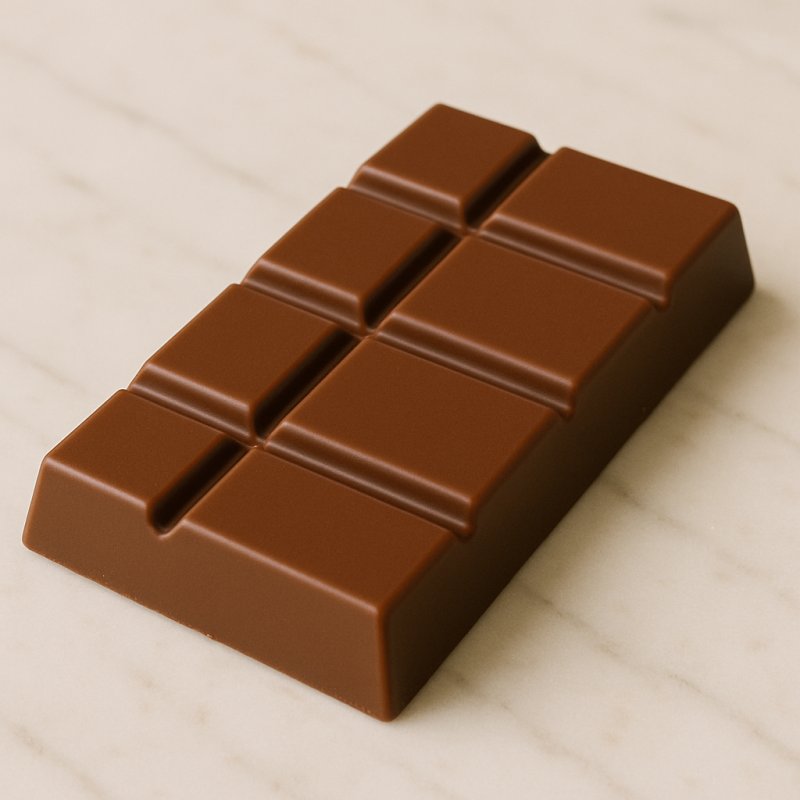
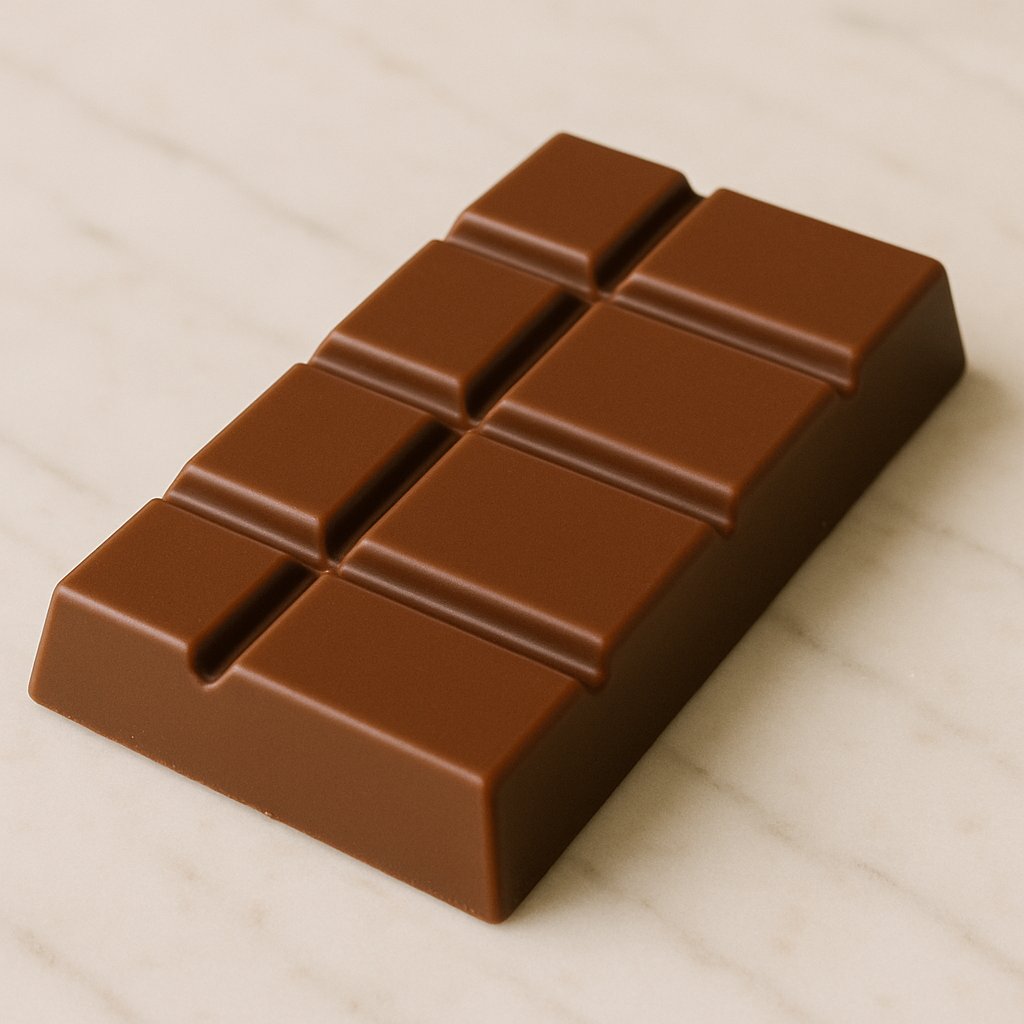
Milk chocolate

Classic chocolate bar with milk content

Wiki about milk chocolate Nutri-Score E Vegan No Gluten-free No Lactose-free No Nut-free No
NUTRITION / 100 g
535 kcal 7.5 g Protein 59 g Kohlenhydrate 30 g Fett

Introduction

Milk chocolate bar broken into pieces
I still remember exactly the first bite of a piece of milk chocolate that I had secretly stolen from the kitchen drawer as a child: that creamy, almost velvety texture that slowly melted on the tongue, and the mild, sweet aroma that immediately produced a cozy feeling. Since then milk chocolate has never quite let me go. For me it is more than just a sweet; it is a small ritual, a taste that awakens memories and makes everyday moments blossom.

Milk chocolate is characterized by its balanced combination of cocoa, sugar and milk powder or concentrate. This composition provides the typical, less bitter but rounder flavor note compared to dark chocolate. When I bite into a bar, I often pay attention to the fine balance between cocoa content and creaminess, because it is precisely this harmony that makes the difference between a boring sweet and a real moment of enjoyment.

In my kitchen I have learned that milk chocolate is surprisingly versatile. It melts smoothly in desserts, refines ganache and creams and is excellent for glazing pastries. A colleague of mine was once astonished when I served him a simple chocolate mousse and he did not believe that I had used only milk chocolate. Sweetness can be used there with elegance, without overpowering other ingredients.

Of course there are differences in quality. Good milk chocolate has body, a clean finish and an aroma that recalls caramel, vanilla or roasted hazelnut. Cheaper variants often seem flat or too sugar-heavy. When shopping I therefore pay attention to indications of origin and the list of ingredients, because often the brevity of the ingredients already reveals a lot about the care in production.

I love combining milk chocolate with small surprises: a hint of sea salt, roasted nuts or a pinch of cinnamon. These combinations lift the experience to a new level without covering the familiar warmth of milk chocolate. In the end milk chocolate is for me a daily luxury — not always, but precisely when you really need it.

Availability & types

Availability and types

Milk chocolate is one of the most popular types of chocolate and can be found almost everywhere: in supermarkets, in cafés, in bakeries and even in vending machines. The main reason is that it tastes sweet and creamy, because it contains sugar, cocoa mass and milk components. The ingredients come together from different regions of the world – the cocoa beans mainly grow in warm countries near the equator, while the milk usually comes from countries with many cows.

Origin and growing regions
Cocoa, the most important raw material for chocolate, is grown in countries that are warm and humid. The largest growing regions are in West Africa (for example Ghana and Côte d'Ivoire), in South America (for example Ecuador and Brazil) and in parts of Asia (such as Indonesia). You can imagine it like a garden that is always warm and often gets rain — cocoa trees like that very much.

The milk for milk chocolate mostly comes from countries with many dairy farms, such as Germany, the Netherlands, the USA or New Zealand. The milk is processed so that it is long-lasting and fits well with chocolate. Sometimes the ingredients also come from several countries: the beans from Africa, the milk from Europe and the chocolate is then manufactured in another country.

Available varieties and variants
Milk chocolate is available in many different forms and with different flavors. Here are some simple examples that show how varied it can be:

  • Standard milk chocolate: The classic bar that is sweet and creamy. This is the variety that many children and adults love.
  • Fine milk chocolate: This often contains more cocoa components and less sugar, so it tastes somewhat more intense but remains creamy.
  • Rich variants: Some bars contain nuts (e.g. hazelnuts or almonds), biscuit pieces or caramel – this makes them crunchy or extra sweet.
  • Filled chocolate: Here the chocolate is on the outside, inside there are liquids like nougat, cream or fruit fillings.
  • Encased pralines: Small pieces of chocolate with a special filling, often in gift packages.
  • Light milk: Slightly less milk content or different cocoa content, tastes milder than dark chocolate but less sweet than some milk chocolate varieties.
  • Vegan or lactose-free variants: For people who cannot or do not want to eat milk, there are alternatives with plant-based milk (e.g. oat or almond) or with lactose-free milk.
  • Organic and Fairtrade chocolate: These varieties often come from farms that work more environmentally friendly and pay workers better. It's like a promise that something is better for people and nature.
How to picture the selection
Imagine a sweets shelf like a colorful marketplace: on the left are simple bars, in the middle the more noble varieties with fine packaging and on the right special bars with nuts or fruit fillings. Some people like simple milk chocolate, others deliberately look for organic, Fairtrade or vegan variants. The next time you buy chocolate, you can look at the label: it will state whether milk is included, how much cocoa is in it and whether there are any special quality seals.

Overall, milk chocolate comes in many variants and is readily available – from the simple bar to the noble praline – so there is something for every taste.
Details & nutrition

Property Value
Unit g
Average weight per piece 5
Calories per 100 535
Protein per 100 7.5
Carbohydrates per 100 59
Sugar per 100 56
Fat per 100 30
Saturated fat per 100 18
Monounsaturated fat 9
Polyunsaturated fat 1
Fiber per 100 2.5
Vitamin C (mg) per 100 0
Vitamin D (IU) per 100 8
Calcium (mg) per 100 220
Iron (mg) per 100 2.5
Nutri-Score E
CO₂ footprint 3.0
Origin Varies depending on the manufacturer and the origin of the cocoa beans
Gluten-free No
Lactose-free No
Nut-free No
Vegan No
Note Nutritional values are average values for commercially available milk chocolate; exact values may vary depending on brand and recipe.

Technical & scientific information

Milk chocolate refers to a type of chocolate that, in addition to cocoa mass and sugar, contains an increased proportion of milk components. Typically the milk proportion is present in the form of milk powder, condensed milk or by adding fresh milk in recipes for industrial production. The milk component gives milk chocolate its characteristic mild, creamy aroma, a lighter color than dark chocolate and less bitterness.

Chemical composition and ingredients
The main components are cocoa mass, cocoa butter, sugar and milk components. Cocoa mass provides a complex mixture of fats, mainly triglycerides (predominantly esters of stearic, palmitic and oleic acids), water-soluble polyphenols (flavanols) and alkaloid compounds such as theobromine and small amounts of caffeine. Milk components consist mainly of milk fat, milk sugar (lactose) and milk proteins (casein, whey proteins). Other technical additives can include emulsifiers such as soy lecithin and, where appropriate, vanillin for flavor correction.

Nutritional values
Milk chocolate is energy-dense; 100 grams contain depending on the recipe about 500–560 kcal. In terms of macronutrients it is composed mainly of fats (30–40 g/100 g), of which a significant proportion are saturated fatty acids, as well as carbohydrates (50–60 g/100 g), mostly sucrose and lactose, and proteins (approx. 6–8 g/100 g) from milk. Minerals such as magnesium, iron and calcium are present in moderate amounts, with calcium coming mainly from the milk. The content of antioxidants (flavanols) is lower than in dark chocolate, because cocoa fractions are reduced by formulation and processing.

Processing methods
Manufacturing includes several technical steps: fermentation and drying of cocoa beans, roasting, cracking and grinding to produce cocoa mass and pressing to obtain cocoa butter. For milk chocolate, milk components are dosed and mixed with cocoa mass, cocoa butter and sugar. This is followed by conching, a gentle thermo-mechanical process that runs for hours to days and promotes flavor development and texture improvement. Fine grinding typically reduces particle size to below 30 micrometers to achieve a smooth mouthfeel. Tempering the chocolate before molding ensures the crystalline structure of cocoa butter and thereby gloss, snap behavior and shelf life.

Organoleptic properties
Milk chocolate combines sweet, milky notes with cocoa-containing aromas, where the balance between sweetness, milky creaminess and residual bitterness is mainly determined by the ratio of cocoa mass to milk and sugar. Texture and melt depend on the crystalline structure of cocoa butter; a stabilized crystal form provides a quick onset in the mouth and a pleasant melting sensation.

Health aspects
From a nutritional perspective milk chocolate provides rapidly available energy and certain nutrients such as calcium and magnesium, but it also contains relatively high amounts of sugar and saturated fatty acids. Regular high consumption can lead to a caloric surplus and thus to weight gain. On the other hand cocoa fractions deliver bioactive compounds (e.g. flavanols) that in studies showed positive effects on vascular function and blood pressure; these effects are less pronounced in milk chocolate because of lower cocoa fractions and high sugar content than in dark chocolate. For people with lactose intolerance, milk protein allergy or caffeine/theobromine sensitivity, appropriate warnings are relevant.

Quality and labeling aspects
From a food law perspective the minimum proportion of milk and cocoa components as well as the total fat content are often regulated by national guidelines, so that only products with certain minimum levels may be labeled as milk chocolate. Origin, processing grades of the cocoa beans and use of raw materials influence quality and sustainability assessment; origin and Fair-Trade certifications are also increasingly important.

In summary, milk chocolate is a technically refined food whose sensory properties are controlled by composition and processing. Its enjoyment offers aromatic comfort and some nutritional benefits from cocoa constituents, but it requires moderate use because of the high sugar and fat content within a balanced diet.

Wiki entry for: milk chocolate
Active now: 21 visitors of which 2 logged-in members in the last 5 minutes