Menu & categories

Maple syrup

Natural sweetener from the sap of the maple tree

Wiki about maple syrup Nutri-Score D Vegan Yes Gluten-free Yes Lactose-free Yes Nut-free Yes
NUTRITION / 100 ml
260 kcal 0.0 g Protein 67.0 g Kohlenhydrate 0.1 g Fett

Introduction

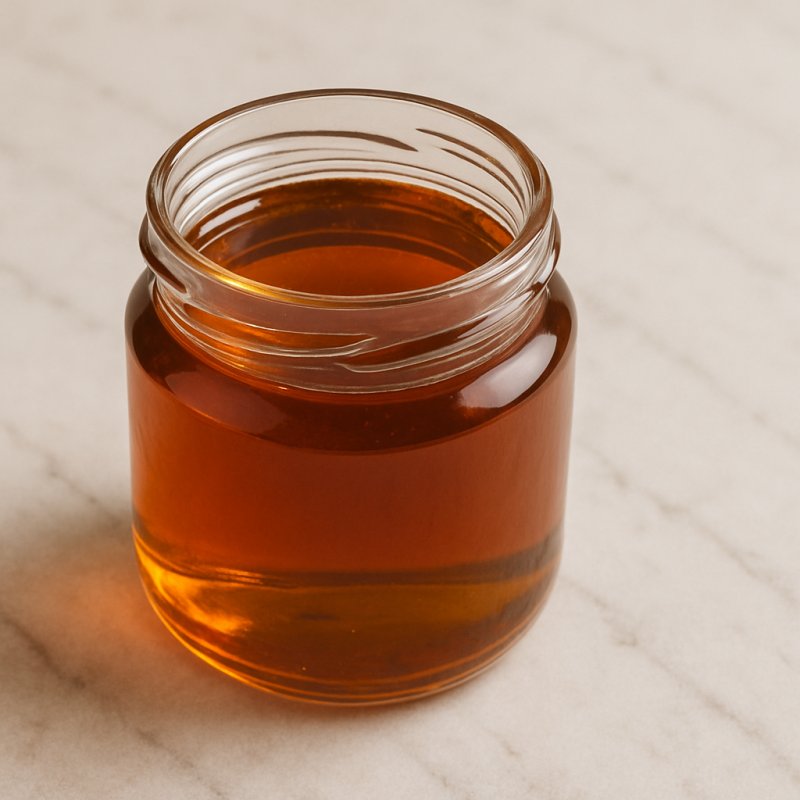
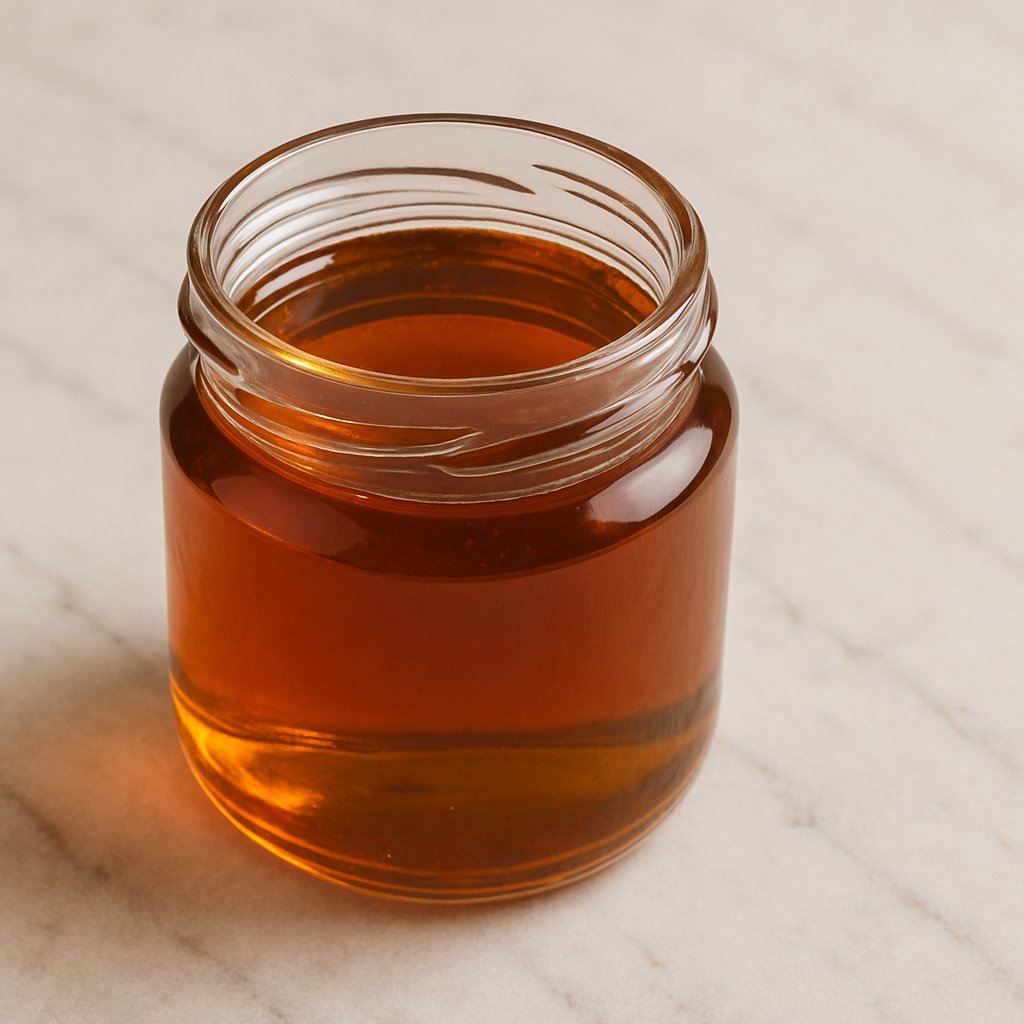
Bottle of maple syrup with a spoon of syrup
I still remember the first scent of maple syrup I consciously noticed: warm, caramel-like and a little woody, as if someone had bottled summer. Since then this ingredient has accompanied me through Sunday breakfasts, experimental baking attempts and spontaneous kitchen evenings with friends. For me, maple syrup is far more than just a pancake companion; it is a small luxury that gives dishes a natural sweetness and a fine depth.

Maple syrup is made from the sap of certain maple trees, collected in spring and concentrated by boiling. I find the simplicity of this process enchanting: few ingredients, a lot of craftsmanship. A colleague of mine once brought a bottle from Canada, and we stood in the editorial office like little children trying it. The different grades — from light, mild gold to darker, more intense syrup — surprised us with their own aromatic nuances.

In my kitchen I use maple syrup in many ways. It pairs wonderfully with breakfast dishes like yogurt, porridge or French toast, but it also elevates grilled vegetables, glazes for meat and dressings for winter salads. I've learned to use it sparingly: one tablespoon can often bring more flavor than two of refined sugar. The natural complexity — slightly smoky, vanilla and nutty notes — makes it the ideal ingredient when I look for depth without artificial flavors.

For special occasions I sometimes keep a small bottle of a darker grade that pairs surprisingly well with cheese boards. Once I stirred some into blue cheese and was amazed at how the combination harmonized the flavors. Discoveries like that make cooking exciting for me.

  • Taste: caramel-like, slightly woody, with vanilla and caramel notes.
  • Uses: breakfast, baking, marinades, dressings, desserts.
  • Tips: pay attention to quality grades, use sparingly, combine with acid or fat.
Maple syrup is for me a small culinary promise: a natural sweetness that surprises and releases — a drop of nature that evokes memories and makes dishes special.

Availability & types

Availability and types of maple syrup

Maple syrup is a sweet sap obtained from the sap of maple trees. It belongs to the special foods that cannot be harvested fresh all year round, but result from a specific process and season. Maple syrup is mainly common in countries with many maple trees. The best-known growing regions are Canada, especially the province of Québec, and parts of Northern Europe as well as the northeastern United States. In these regions there are many maple forests, and the climate — cold winters and mild springs — helps the trees produce a lot of sap.

The sap is collected in late winter and early spring. Small tubes or containers are inserted into a trunk and the tree lets its sap drip. This sap is very watery and hardly tastes sweet. To turn it into thick maple syrup, the sap is boiled down, evaporating most of the water. In the process the liquid thickens and acquires its typical caramel flavor and golden-brown color.

There are different varieties and types of maple syrup. These differences arise mainly from color and taste, which can change during the season. There used to be a complicated classification, but today it is explained more simply:

  • Light maple syrup (sometimes referred to as Golden): this syrup is often harvested at the beginning of the season. It is light yellow to golden in color, has a very mild, delicate flavor and tastes lightly of caramel. Children who like maple syrup often find the light syrup most pleasant because it is not too strong.
  • Medium-strength syrup (often called Amber): this syrup has a bit more color and a fuller maple flavor. It is balanced — not too weak but not too intense either. It goes well with pancakes, crepes and muesli.
  • Strong to dark syrup (terms like Dark or Robust): this syrup is produced later in the season. It is darker and has a stronger, maltier taste. Some people use it for cooking or baking because its intense flavor stands out better in sauces or glazes.
In addition to color and flavor differences, there are also variants mixed with other ingredients or specially processed:

  • Pure maple syrup: this is simply reduced maple sap, without additives. It has the purest flavor and is the traditional choice.
  • Flavored maple syrup: sometimes maple syrup is combined with vanilla, spices or even fruit flavors. These variants are great if you want to try something new.
  • Maple syrup sprays or thinner products: these are sometimes found in supermarkets and are useful when you want to dose the syrup lightly, for example on yogurt or desserts.
Maple syrup is available in many supermarkets, health food stores and farmers' markets. In countries that do not have many maple trees, it is often imported from Canada or the USA. An easy way to recognize good maple syrup is the label: it usually states whether it is 100 % maple or whether sugar and other ingredients have been added. For the true maple taste it is worth choosing pure products.

In summary: maple syrup comes mainly from colder regions with many maple trees, is collected in late winter and produced by boiling down sap. It is available in different colors and flavor intensities — from light and mild to dark and strong — and as a pure product or with added flavors. This way everyone can find the variety that best suits their pancakes, coffee or recipes.
Details & nutrition

Property Value
Unit ml
Calories per 100 260
Protein per 100 0.0
Carbohydrates per 100 67.0
Sugar per 100 60.0
Fat per 100 0.1
Saturated fat per 100 0.0
Monounsaturated fat 0.0
Polyunsaturated fat 0.0
Fiber per 100 0.0
Vitamin C (mg) per 100 0.0
Vitamin D (IU) per 100 0.0
Calcium (mg) per 100 100.0
Iron (mg) per 100 0.1
Nutri-Score D
CO₂ footprint 1.5
Origin North America
Gluten-free Yes
Lactose-free Yes
Nut-free Yes
Vegan Yes
Note Pure maple syrup consists mainly of sugar and water, contains small amounts of minerals and typically does not contain relevant allergens. Nutritional values may vary slightly depending on the brand and concentration.

Technical & scientific information

Maple syrup is a natural sweetener obtained by evaporating sap from various species of the maple genus Acer. Primarily sugar maple (Acer saccharum), black maple (Acer nigrum) and red maple (Acer rubrum) are used in North America, where commercial production is traditionally based. Harvesting is seasonal in late winter to early spring, when day–night temperature fluctuations promote sap flow in the trunk.

Manufacturing process
The process includes drilling or tapping the trunk, collecting the sap that flows out and multi-stage evaporation to reduce water content and concentrate the sugars. Raw sap consists of about 95–98% water; the final product typically contains 66–67% dissolved solids, measured as Brix. Industrial production uses evaporator tubes, multi-chamber vacuum evaporators or reverse osmosis pre-stages to increase energy efficiency and control quality.

Chemical composition and constituents
The dominant carbohydrate is sucrose, which in maple syrup is present in variable amounts (usually 60–70% of the dry mass). Glucose, fructose and small amounts of oligosaccharides are also present. In addition to sugars, maple syrup contains organic acids (e.g., citric and succinic acid), trace amounts of amino acids, phenolic compounds, minerals and volatile aroma compounds that shape the characteristic flavor profile. Important minerals include manganese, zinc, potassium and calcium; manganese is particularly high compared with other sweeteners.

Nutritional values
Maple syrup provides mainly energy from carbohydrates. Per 100 grams it typically contains about 260–270 kcal and around 66–67 g of sugar. The fat and protein content is negligible. Due to the mineral and phenol content, maple syrup offers micronutrient-related advantages over refined sugar, but these amounts are limited in usual serving sizes.

Aroma formation and quality
The aroma arises from Maillard reactions and thermal changes during evaporation, as well as from maple-specific volatile compounds such as vanillin-like substances, phenols and lactones. Quality classifications are based on color and taste; lighter products usually have a finer, milder bouquet, while darker syrups possess more intense, caramelized and roasted notes. Industrial controls include Brix measurement, moisture determination and microbiological testing.

Health aspects
As a natural product, maple syrup is often considered an alternative to refined table sugar. However, because of its sugar content, it affects blood glucose and energy intake similarly to other sugar sources. The lower degree of processing and the contained trace elements can provide nutritional advantages, but in typical consumption amounts these are limited. People with diabetes or insulin resistance should therefore monitor portion sizes. Some studies investigate antioxidant properties of certain maple syrup phenolics, which show anti-inflammatory effects in vitro, but clinical evidence for health effects in humans is still limited.

Food safety and storage
Raw collected maple sap is microbiologically vulnerable and must be pasteurized or sufficiently evaporated before storage. Finished maple syrup should be stored in the dark, cool and airtight; refrigeration is recommended after opening to prevent crystallization and microbial colonization (e.g., mold). When heating, note that excessive temperatures over long periods can cause aroma losses.

Sustainability and market aspects
Traditional production depends on healthy maple forests; climate change and altered winter conditions can affect harvest windows and yields. Certified origin and quality labels play a role in trade. Overall, maple syrup remains a valued delicacy for its characteristic taste, natural origin and some valuable accompanying compounds, though its health benefits primarily depend on moderate consumption.

Wiki entry for: maple syrup
Active now: 17 visitors of which 2 logged-in members in the last 5 minutes