Menu & categories

Mango syrup

Fruity-sweet syrup with mango flavor for sweetening and enhancing.

Wiki about mango syrup Nutri-Score E Vegan Yes Gluten-free Yes Lactose-free Yes Nut-free Yes
NUTRITION / 100 g
310 kcal 0.2 g Protein 77 g Kohlenhydrate 0.1 g Fett

Introduction

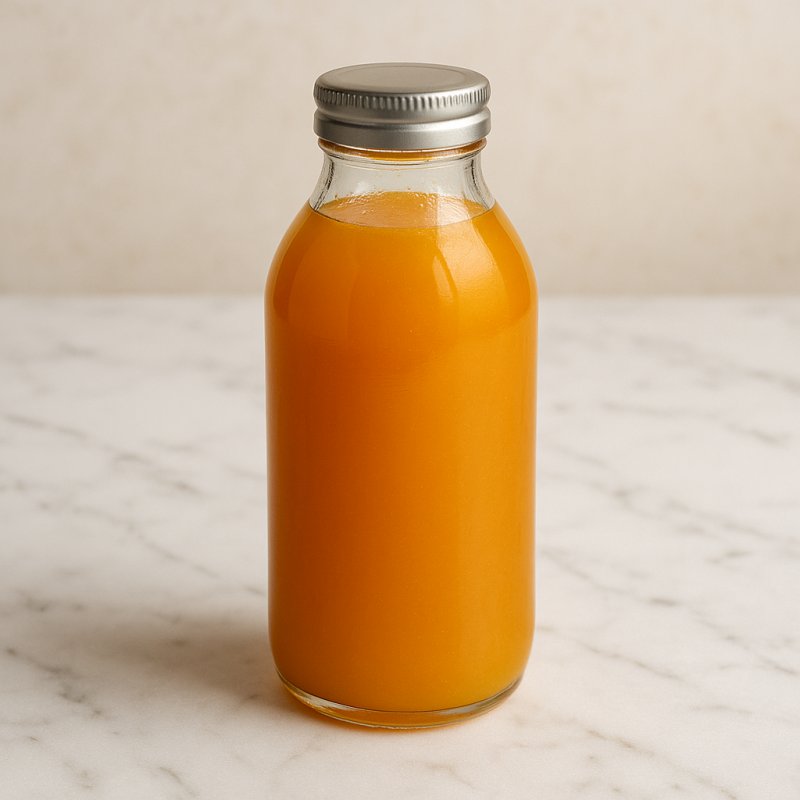
Golden-yellow mango syrup in a glass
I have to confess, Mango syrup triggered a kind of homecoming effect for me. I still remember a rainy afternoon when a colleague of mine pulled a bottle of that golden syrup out of his bag and turned my morning cappuccino into a tropical temptation. Since then this sweet, aromatic concentrate has become a regular companion in my kitchen.

Mango syrup is usually made from pureed mangoes, sugar and sometimes a splash of lemon that balances the sweetness. It comes as a homemade version, concentrated syrups from the supermarket or as exotic, spiced varieties with chili, ginger or vanilla. Texture and intensity vary greatly, which makes it so versatile: sometimes thick and velvety, sometimes thin and lightly flowing.

I use mango syrup in many situations; it livens up cocktails, elevates yogurts and ice cream and works wonderfully as a glaze for grilled chicken. When I have guests I like to set up a small DIY station where everyone can adjust their drink with a dash of syrup. A little tip from me: a squeeze of lime and a touch of salt make the mango seem even juicier.
It's worth checking ingredient lists when buying, as some products contain additives or artificial flavors.

  • Usage examples: Cocktails and mocktails
  • Usage examples: Desserts, yogurts, pancakes
  • Usage examples: Marinades and dressings
  • Usage examples: Ice cream production and sorbets
If you want to make mango syrup yourself, simply reduce mango purée with sugar and lemon juice until the desired consistency is reached. The result can be varied by adding, for example, fresh ginger for heat or coconut for more tropical flair. Store in the refrigerator and use the syrup within a few weeks.

For me mango syrup is more than just a sweetener; it is a small bottle of holiday that I can open when needed to make the everyday suddenly sunnier.

Availability & types


Availability and types of mango syrup

Where does mango syrup come from?
Mango syrup is produced from the well-known fruit mango. Mangoes grow mainly in warm, tropical regions. The largest mango-growing areas are countries such as India (which produces the most mangoes worldwide), Pakistan, Thailand, the Philippines, Mexico, Brazil and parts of Africa such as Kenya. If you imagine a mango as a large, juicy peach, then mango syrup is something like the concentrated juice of those fruits – sweeter and thicker so it can be poured over ice cream or into a drink.

Why is mango syrup available year-round?
Mangoes do not ripen everywhere at the same time. But many producers process the fruit during the harvest period and preserve the flavor by cooking down the juice or making a concentrate. That's why you often find mango syrup year-round in supermarkets or online, even though fresh mangoes are seasonal.

Which mango varieties influence the taste?
Different mango varieties have different flavors, and that also affects the syrup. Some well-known mango varieties are:

  • Alphonso – very aromatic and sweet, often called the “king of mangoes”.
  • Tommy Atkins – juicy and somewhat firmer, commonly traded because of its long shelf life.
  • Kent and Haden – typical in supermarkets, good for juices and syrups.
  • Ataulfo (Honey/Mango) – small, very sweet and creamy.
If a syrup is made from a very aromatic variety, it tastes more intense – almost like spooning ripe mango. If it comes from a milder variety, the flavor is gentler.

What variants of mango syrup exist?
Mango syrup comes in many forms so everyone can use it as they prefer. The main types are:

  • Pure mango syrup – made from mango juice or purée and sugar. It is thick and very fruity.
  • Concentrates – cooked down more; you mix them with water or beverages, similar to lemon syrup concentrates.
  • Reduced-calorie variants – with sugar substitutes for people who want less sugar.
  • Infused/Flavored – mango syrup with additional flavors like ginger, chili, lime or vanilla.
  • Organic – from mangoes grown without chemicals.
  • Artificial mango flavors – these often contain little or no real mango, but sweet “mango-flavored” compounds. They are cheaper but taste different.
How to recognize good quality?
Check the label: if it states “mango purée” or “mango juice concentrate”, it usually contains real fruit. Cheap variants often only say “mango flavor”. Color and consistency can range from light gold to deep orange, depending on variety and processing.

Overall mango syrup is easy to find – in supermarkets, in Asian or Latin American shops and online. It comes in many flavors and qualities, so there is something for everyone: from intense fruit taste to inexpensive flavor versions.

Details & nutrition

Property Value
Unit g
Calories per 100 310
Protein per 100 0.2
Carbohydrates per 100 77
Sugar per 100 72
Fat per 100 0.1
Saturated fat per 100 0
Monounsaturated fat 0
Polyunsaturated fat 0
Fiber per 100 0.2
Vitamin C (mg) per 100 2
Vitamin D (IU) per 100 0
Calcium (mg) per 100 10
Iron (mg) per 100 0.2
Nutri-Score E
CO₂ footprint ca. 1.5 kg CO2e/kg
Origin Depending on the manufacturer (often Southeast Asia or South America)
Gluten-free Yes
Lactose-free Yes
Nut-free Yes
Vegan Yes
Note Nutritional values may vary depending on the recipe (sugar content, fruit juice content).

Technical & scientific information


Mango syrup is a concentrated, sweet product based on mango, used in beverages, desserts and as a flavor carrier. As an ingredient it typically consists of fruit components (purée or concentrate), sugar or invert sugar syrup, water and possibly acidulants, preservatives and natural or nature-identical flavorings. Commercial recipes and labeling vary: some products list a high fruit content, others are primarily flavored sugar solutions with little mango content.

Chemical composition and nutritional values
Mango syrup is characterized by a high content of dissolved solids, measured as Brix value, which typically lies in the range of about 40–70 °Brix, depending on dilution and recipe. The main constituents are saccharides (sucrose, glucose, fructose), which together usually amount to 50–70 g per 100 g of product. This results in energy values of roughly 250–300 kcal per 100 g. Proteins and fats are negligible. Depending on the fruit content, mango syrup provides traces of vitamins (mainly provitamin A/beta‑carotene and vitamin C) and minerals, while dietary fiber is present only in small amounts if the purée was depectinized or filtered before syrup production.

Acidity and pH balance
Mango syrup typically has an acidic character with a pH in the range of about 3.0–4.0. The titratable acidity consists mainly of organic fruit acids such as malic and citric acid. The combination of low pH and high sugar content contributes to microbiological stability.

Processing methods

  • Fruit extraction: Ripe mangoes are peeled, pitted and processed into purée. Enzymatic treatments (e.g. pectinases) improve juice yield and filterability.
  • Concentration: By thermal evaporation or more technologically intensive methods such as reverse osmosis the fruit concentrate can be brought to the desired solids content.
  • Formulation: The concentrate is mixed with sugar, water and additives (acidulants, antioxidants such as ascorbic acid for color retention, and possibly preservatives).
  • Pasteurization and filling: Heat treatment reduces microbial load; aseptic filling ensures longer shelf life.
Physical properties
Mango syrup exhibits a viscous, often Newtonian to slightly non-Newtonian rheology, depending on solids and pectin content. The color ranges from yellowish-orange to deep orange-brown and depends on carotenoid content as well as thermal load and oxidation. Carotenoids are sensitive to heat and light, which is why antioxidants and gentle processing help maintain color stability.

Food safety and shelf life
Through the combination of high sugar content, low pH and modern processing, mango syrup is relatively stable. Nevertheless enzymatic and microbiological changes as well as flavor and color losses can occur. After opening refrigeration is recommended. Preservatives such as sorbates or benzoates are occasionally used, and sulfite additives may be present in some products; appropriate labeling is legally required.

Health aspects
Mango syrup supplies quickly available calories in the form of sugars and excessive consumption can contribute to increased energy and sugar intake, which over time may promote weight gain, dental caries and metabolic strain. On the other hand, depending on fruit content, it contains micronutrients such as beta‑carotene and vitamin C. People with fructose intolerance, diabetes or specific allergies should check the sugar content and the ingredient list. In allergic individuals skin contact with mango skins can trigger sensitive reactions; industrially produced syrup typically does not contain allergenic parts of the skin.

Labeling and quality
Distinctions between “mango syrup” and “mango‑flavored syrup” are relevant for quality and nutritional values. Labels should state fruit content, ingredients, additives and nutritional values. For applications in gastronomy, Brix value, acidity level and storage instructions are important quality measures.

Wiki entry for: mango syrup
Active now: 6 visitors of which 2 logged-in members in the last 5 minutes