Menu & categories

Light Sauce Thickener

Starch-based thickener mix for light sauces

Wiki about light sauce thickener Nutri-Score C Vegan Yes Gluten-free Yes Lactose-free Yes Nut-free Yes
NUTRITION / 100 g
340 kcal 0.5 g Protein 85 g Kohlenhydrate 0.5 g Fett

Introduction

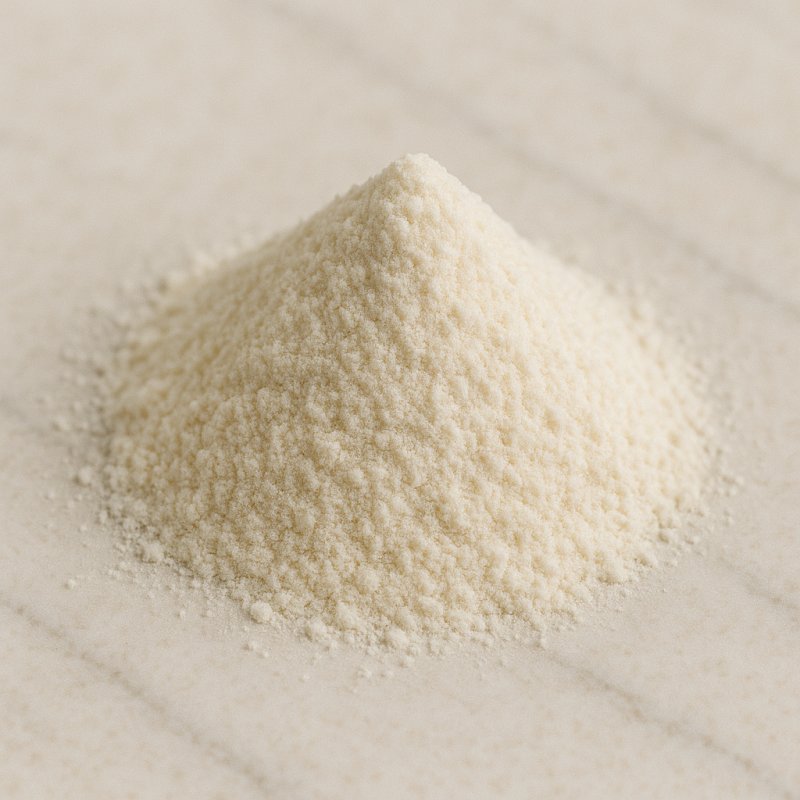
Light sauce thickener in powder form in a bowl with a spoon
I still remember well the first evening I accidentally let a packet of light sauce thickener fall into the pan instead of flour – to the great relief of my hosts, who thought I had invented a new trick. Since then this unassuming helper has become a staple in my kitchen. It is practical, quick and forgives more than one hectic moment, when guests arrive earlier than planned or the sauce stubbornly refuses to reach the right consistency.

Light sauce thickener is a powdered binding agent that is usually made from starch and sometimes from light-colored flour blends. I particularly appreciate its ability to gently thicken sauces and soups without giving them a floury taste or an unappetizing cloudiness. When I prepare a creamy mushroom sauce or a light roast gravy, I often reach for this type because it preserves the color and the result remains clear and appetizing.

A small routine has developed in my kitchen: first let the liquid simmer gently, then mix the powder into a little cold stock or water and pour it in while stirring until the desired firmness is reached. I picked up this method from a friend who laughed and said she would never struggle with lumps again. Since then I rarely serve sauces that look like clouds of flour.

The advantages are obvious:

  • Speed: Thickening is quick and saves time.
  • Neutral taste: The natural balance of flavors is preserved.
  • Good appearance: Light sauces remain clear and appetizing.
  • Versatility: Usable in soups, sauces, stews and casseroles.
Of course I don't use sauce thickener on every occasion. For reduced, more intense sauces I prefer reduction or a robust roux, and for very delicate dishes I prefer gelatin or agar-agar. Nevertheless, light sauce thickener is my little secret for quick, successful everyday cooking and for the times I want to host unexpected guests. A colleague of mine once affectionately called it “emergency plastic” – I cheekily pointed out that it would be better called the “rescuer in the pan.”

In the end I value this little powder above all for its reliability: it helps save consistencies, gives me confidence when seasoning and lets me experiment more freely. Anyone who refines their technique will appreciate it as much as I do – as an unassuming but faithful companion in the kitchen.

Availability & types

The Availability and Types section of the ingredient Light sauce thickener explains where this ingredient comes from, which variants exist and how easy it is to buy. “Light sauce thickener” is a product that helps make sauces thicker and creamier. Imagine you want your sauce to be a bit fuller so it's not so watery — that's what a sauce thickener does, like a little magic powder that holds the liquid together.

Origin
Light sauce thickener is usually made from plant-based starches, for example wheat, corn or potato starch. These starches are fine, dry powders obtained from cereal grains or potatoes. The raw materials grow in fields and are then processed in factories into the fine powder you find in the supermarket. So it's not a “strange” or very distant product — the ingredients are common plants familiar to many people.

Growing regions
The plants that yield the starch grow in many countries. For example:

  • Wheat often comes from Europe and North America.
  • Corn is grown in large quantities in North and South America, but also in Europe.
  • Potatoes are widespread in Europe, Asia and North America.
The exact origin depends on the brand and the manufacturer. Sometimes the packaging states which country the starch comes from. If not, it often comes from large growing regions because a lot is harvested and processed there.

Available types and variants
Light sauce thickener is available in several variants so that everyone can get exactly what they need. The main types are:

  • Standard light sauce thickener: a neutral powder that hardly changes the color of the sauce. Good for light sauces such as cream or cheese sauce.
  • Ready-mixed with flavor: some thickeners already contain spices or onion powder. This saves time and makes the sauce more flavorful right away.
  • Gluten-free variants: for people who must avoid gluten, there are thickeners made from corn or potato starch instead of wheat starch.
  • Organic thickener: from certified organic cultivation, meaning the plants were grown without certain chemical pesticides.
  • Instant or quick-thicken: these bind faster and lump less when stirred into the sauce.
Availability
Light sauce thickener can be found in many supermarkets, drugstores and online shops. It is usually located near flours, starches or ready-made sauces. Package sizes range from small sachets (for a few dishes) to larger bags (for families or frequent use). If you place special value on organic or gluten-free products, you will often find them in health food stores or dedicated supermarket shelves.

Simple comparison
Imagine the thickener is like a sponge that you press into a thin liquid. The sponge soaks up the liquid and makes it thicker. Depending on which “sponge” (i.e., which type) you use, the sauce will only become thicker, or it will gain flavor, or it will be especially suitable for people with intolerances.

Overall, light sauce thickener is an easy-to-find, versatile ingredient available in different versions so there's something for every kitchen and every taste.
Details & nutrition

Property Value
Unit g
Calories per 100 340
Protein per 100 0.5
Carbohydrates per 100 85
Sugar per 100 1
Fat per 100 0.5
Saturated fat per 100 0.1
Monounsaturated fat 0.1
Polyunsaturated fat 0.1
Fiber per 100 1
Vitamin C (mg) per 100 0
Vitamin D (IU) per 100 0
Calcium (mg) per 100 10
Iron (mg) per 100 0.2
Nutri-Score C
CO₂ footprint 1.0
Origin Europe
Gluten-free Yes
Lactose-free Yes
Nut-free Yes
Vegan Yes
Note Values for a typical industrial light sauce thickener based on modified starch without added gluten, milk or nuts; exact values may vary by brand.

Technical & scientific information

Light sauce thickener is a common term for a light-colored powdered thickening agent used to thicken and stabilize light sauces, soups and fillings. It typically consists of a mixture of starch, salt and additives formulated to produce a smooth, light consistency without discoloration when heated. Light sauce thickeners are used in home cooking and in mass catering when a clear, milk- or cream-colored base is desired.

Composition and ingredients
The primary components are tailored food starches such as wheat starch, corn starch or rice starch, selected for their neutral appearance and good gelling ability. Commonly used additives include anti-caking agents (e.g. maltodextrin), stabilizers (e.g. modified starch, guar gum) and salt for flavor. Depending on the product, emulsifiers (e.g. lecithin) and anticaking agents (e.g. silicon dioxide) may also be present to improve storage and processing properties. In special varieties, milk-based powders or flavor enhancers can be added.

Physico-chemical properties
The function is based on the swelling and gelatinization of starch granules when heated in the presence of water. At gelatinization temperature the starch absorbs water, the granules swell and partially release amylose and amylopectin, which increases viscosity and forms a network that binds free liquid. Modified starches are chemically or physically treated to achieve specific temperature profiles, increased stability against acid and enzymes, or better freeze–thaw properties.

Processing and application
Light sauce thickeners are typically dispersed into cold liquid or stirred into the hot liquid, taking care to obtain a lump-free dispersion. Common processing steps are:

  • Stirring the powder into cold liquid to form a slurry (roux-like without fat) or sprinkling it directly into boiling liquid while stirring.
  • Heating until full gelatinization and briefly simmering to reduce starchy taste and fully activate the starch.
  • Tasting and, if necessary, adjusting thickness with additional thickeners or fats if a different texture is desired.
Nutritional value and labeling
Since starches are the main component, light sauce thickeners consist predominantly of carbohydrates. The caloric density is roughly similar to other starch products (approx. 300–370 kcal per 100 g). Fat and protein content is usually very low, unless milk components are added. Packaging must indicate, in addition to the ingredient list and nutritional information, possible allergens (e.g. wheat) and legally required additives (e.g. modified starch, anticaking agents).

Health aspects and safety
For most consumers light sauce thickeners are harmless when used in customary amounts. People with celiac disease or wheat allergy should choose wheat-free variants (e.g. corn- or rice-based products). Modified starches and typical excipients are considered safe, but individual additives can cause intolerances in sensitive people. As with all processed foods, moderate consumption as part of a balanced diet is recommended.

Technological variations and industrial significance
In the food industry there are specially formulated light sauce thickeners with properties such as high acid stability, cold- or freeze-stability, clear texture or low tendency to retrogradation (gel structure reversal). Such products enable standardized production processes and consistent product quality in convenience foods, canteens and large-scale catering.

In summary, light sauce thickener is a starch-based, technically processed product for producing light, creamy sauces and liquid products. Its effectiveness is based on starch gelatinization and complementary additives, handling is simple and the range of formulations allows use even for special nutritional requirements.

Wiki entry for: light sauce thickener
Active now: 18 visitors of which 2 logged-in members in the last 5 minutes