Menu & categories

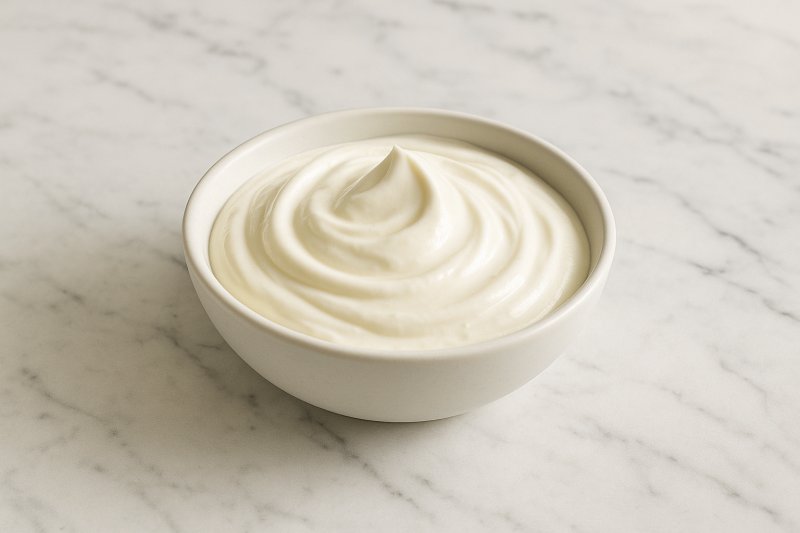
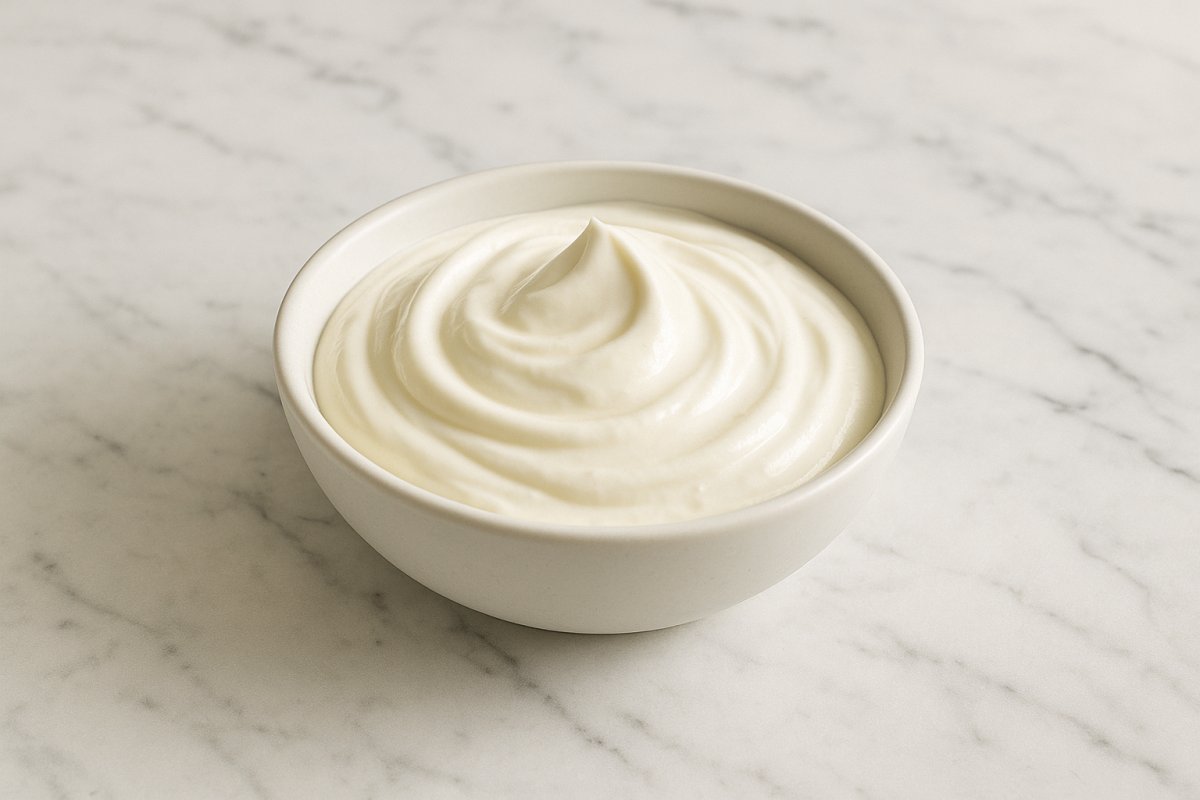
Light cream

Mild cream with about 15% fat for cooking and enhancing dishes.

Wiki about light cream Nutri-Score D Vegan No Gluten-free Yes Lactose-free No Nut-free Yes
NUTRITION / 100 ml
160 kcal 3.0 g Protein 3.5 g Kohlenhydrate 15.0 g Fett

Introduction

Light cream in a small jug
I have a particular weakness for ingredients that seem unassuming yet make the decisive difference – half cream is definitely one of them. The first time I consciously cooked with it was a simple vegetable soup that suddenly tasted velvety and rounded, without becoming heavy. For me half cream is this light temptation: not as indulgent as whipped cream, but creamier than milk.

What exactly is half cream? In short: a cream with a medium fat content, typically somewhere between about 10 and 20 percent fat. Exact figures vary by country and manufacturer, but the essence remains the same – a product that binds and refines dishes without overwhelming them. I still remember a shared cooking evening when a colleague translated half cream as 'half milk, half cream' and hit the nail on the head.

In the kitchen I use half cream for anything where I want creaminess but not a heavy texture. It is ideal

  • for soups and sauces that I want to finish with a touch of creaminess without curdling,
  • for pastas and gratins to achieve a silky consistency,
  • for coffee or tea when I want a bit more comfort without using fully whipped cream.
A few practical notes I've internalized over the years: half cream cannot be reliably whipped, it separates if heated too strongly, so warm it gently and add it at the end. If I need an even thicker effect, I reduce it briefly instead of cooking it from the start. For quick substitutes I sometimes mix milk and whipping cream 1:1 or use plant-based semi-fat creams made from oat or soy when someone needs lactose-free options.

For me half cream is the elegant solution between lightness and comfort – unassuming but reliable. It turns everyday soups into small feasts and good coffee into a fluffy moment, without ever feeling like I'm overdoing it.

Availability & types


Half cream is a type of cream that is a bit lighter than the thick, heavy cream used for whipping. You can think of half cream as an intermediate step between regular milk and heavy cream: it has more fat than milk, but less than heavy cream. That makes it pleasantly creamy without being so heavy.

Origin and where it comes from
Half cream is usually made from cow's milk. The milk comes from cows that live on pastures and in barns – so from regions where many dairy farmers are located. These are often green areas with good grazing, for example in many parts of Europe, North America or New Zealand. Smaller farms sometimes make their own half cream and sell it at markets or farm shops.

How half cream is made
The fat is removed from the raw milk – technically this is done using a machine called a centrifuge. The right amount of fat is then mixed back in until the desired lightness is reached. Afterwards half cream is often briefly heated so it keeps longer. Sometimes it is treated for longer shelf life (UHT), so it does not have to be refrigerated immediately.

Available types and variants
Half cream is available in various forms. Here are the most common, simply explained:

  • Fresh half cream – comes in a tub from the chilled section and tastes fresh and mild. Ideal for cooking or on hot dishes.
  • Long‑life half cream (UHT) – is sterile-packed and can sit in the cupboard longer until you open it. Handy if you don't go shopping often.
  • Cooking or sauce cream – specially designed not to curdle when heated. Good if you want to use it in a soup or sauce.
  • Coffee or dessert cream – small single‑portion pots that you pour straight into coffee or serve with cakes.
  • Cultured half cream – like a milder version of crème fraîche; slightly tangy in taste because beneficial bacteria have been added.
  • Lactose‑free variant – for people who are intolerant to lactose; tastes similar but is treated so the body can process it better.
  • Organic half cream – from organic farming; cows are fed differently and fewer additives are used.
Where to find it
Half cream can be found in supermarkets, at the local bakery or butcher, and at the weekly market. Some regions also have farm products, meaning fresh half cream directly from the farm. In larger stores you usually find several brands and the different variants side by side.

When you buy half cream, pay attention to the best‑before dates and the intended use on the label – 'for cooking' or 'for coffee' helps you decide if it's right for your recipe. Overall half cream is a versatile, easy‑to‑understand ingredient: creamy but not as heavy as heavy cream, and available in many variants depending on whether you want freshness, long shelf life or special properties like organic or lactose‑free.
Details & nutrition

Property Value
Unit ml
Calories per 100 160
Protein per 100 3.0
Carbohydrates per 100 3.5
Sugar per 100 3.5
Fat per 100 15.0
Saturated fat per 100 10.0
Monounsaturated fat 4.0
Polyunsaturated fat 0.5
Fiber per 100 0.0
Vitamin C (mg) per 100 0.0
Vitamin D (IU) per 100 2
Calcium (mg) per 100 110
Iron (mg) per 100 0.1
Nutri-Score D
CO₂ footprint 0.15 kg CO2e/100 ml
Origin EU/Switzerland (from cow's milk, depending on the manufacturer)
Gluten-free Yes
Lactose-free No
Nut-free Yes
Vegan No
Note Keep refrigerated; consume promptly after opening.

Technical & scientific information

Half cream is a dairy product with reduced fat content, positioned between full cream (whipping cream) and milk/skim quark. The name varies regionally (e.g. 'half cream', 'light cream'), but the shared characteristic is a moderate amount of milk fat that gives the product a creamy texture and good processing properties, without the high calorie density of full cream.

Manufacturing principle and processing methods
Half cream is produced by mechanical separation of whole milk into cream and skim milk, typically by centrifugation. For the final product cream and partly skim milk are mixed in defined proportions (standardization) to reach a target fat content. Common industrial steps include:

  • Centrifugal separation to obtain cream.
  • Standardization by recombining or diluting.
  • Heat treatment (pasteurization, often HTST) to reduce microbial load.
  • Possible homogenization to reduce fat droplet size and reduce phase separation; however many half cream varieties are not homogenized to preserve mouthfeel.
  • Addition of permitted stabilizers (e.g. carrageenans, guar gum) and emulsifiers in some products to improve texture and storage stability.
Chemical composition and ingredients
Half cream is an oil‑in‑water emulsion: fine fat globules (milk fat) are dispersed in an aqueous phase of water, dissolved milk components and protein. Key components are:

  • Milk fat: triglycerides with saturated and unsaturated fatty acids; fat content typically in the range of about 10–20 % (commonly 12–15 % in commercial products).
  • Proteins: mainly whey proteins and casein in the form of micelles, which contribute to emulsion stability and texture.
  • Lactose: milk sugar as the soluble carbohydrate fraction, usually a few grams per 100 g.
  • Minerals: mainly calcium and phosphorus in reduced but notable amounts.
Nutritional orientation (approximate values per 100 g)
Exact nutritional values depend on fat content; typical values for half cream with ~15 % fat are: energy approx. 120–150 kcal, fat 12–15 g (a large share saturated fatty acids), protein 2–3 g, carbohydrates (mainly lactose) 3–4 g. Minerals like calcium may range between 60 and 100 mg per 100 g.

Techno‑functional properties and culinary use
Half cream acts as a thickener, flavor carrier and emulsifier in sauces, soups and gratins. Due to its moderate fat content it is less suitable for whipping than full cream, but it incorporates well, stabilizes inclusions and improves mouthfeel. When heated half cream is less stable against curdling than richer creams; gentle stirring and, where appropriate, using starch or binders reduces this risk.

Health aspects and shelf life
The main health aspect concerns the content of saturated fatty acids and the potential effects on cardiovascular risk with high consumption. For people with lactose intolerance, the lactose content may trigger symptoms. Pasteurized products are microbiologically safer than raw cream; nonetheless refrigerated storage is crucial, as psychrotrophic bacteria, lipases and oxidative processes (rancid flavours) can cause spoilage. UHT‑treated variants have longer shelf life but show altered sensory properties.

Overall half cream is a versatile, technically interesting dairy product with balanced properties for food preparation. Composition, processing and labelling are subject to national regulations, so specific information can be found on packaging and should be observed for special dietary requirements.

Wiki entry for: light cream
Active now: 11 visitors of which 2 logged-in members in the last 5 minutes