Availability and types of lemon peel
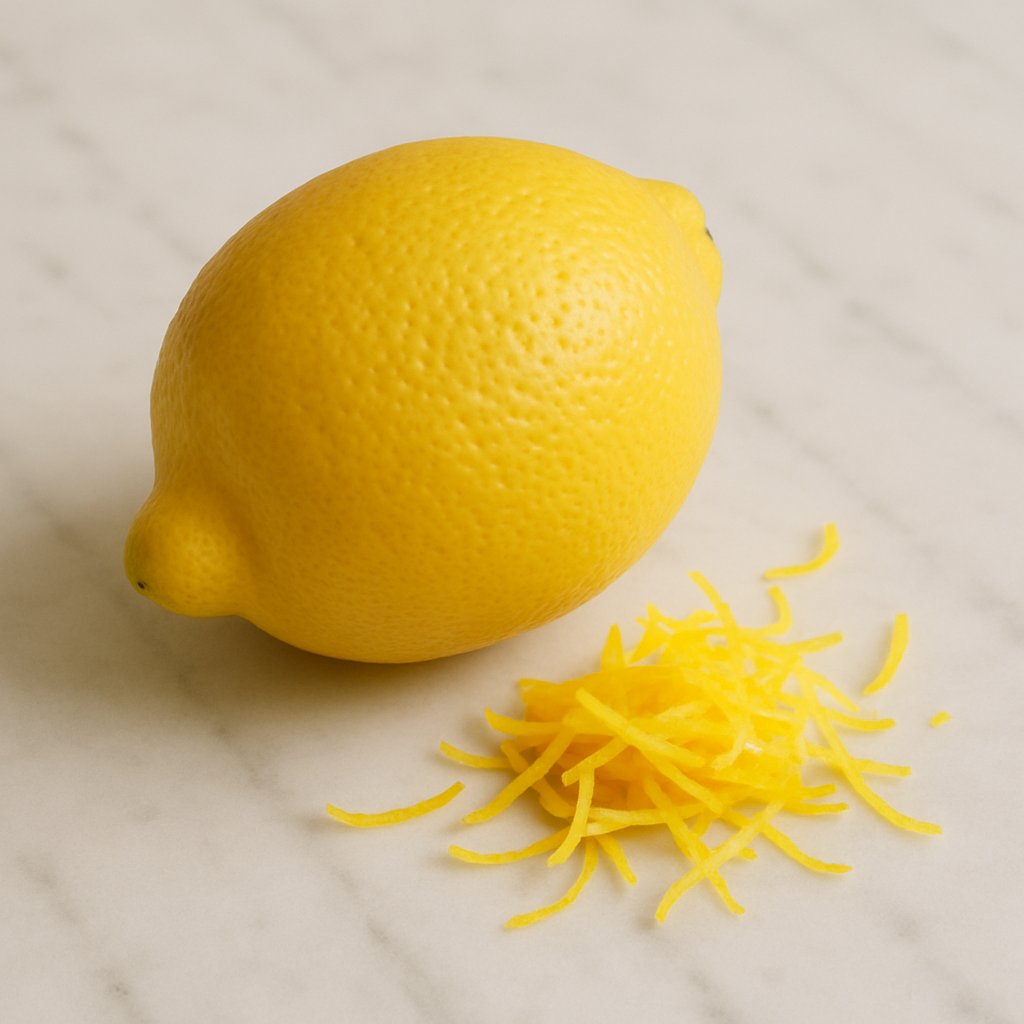
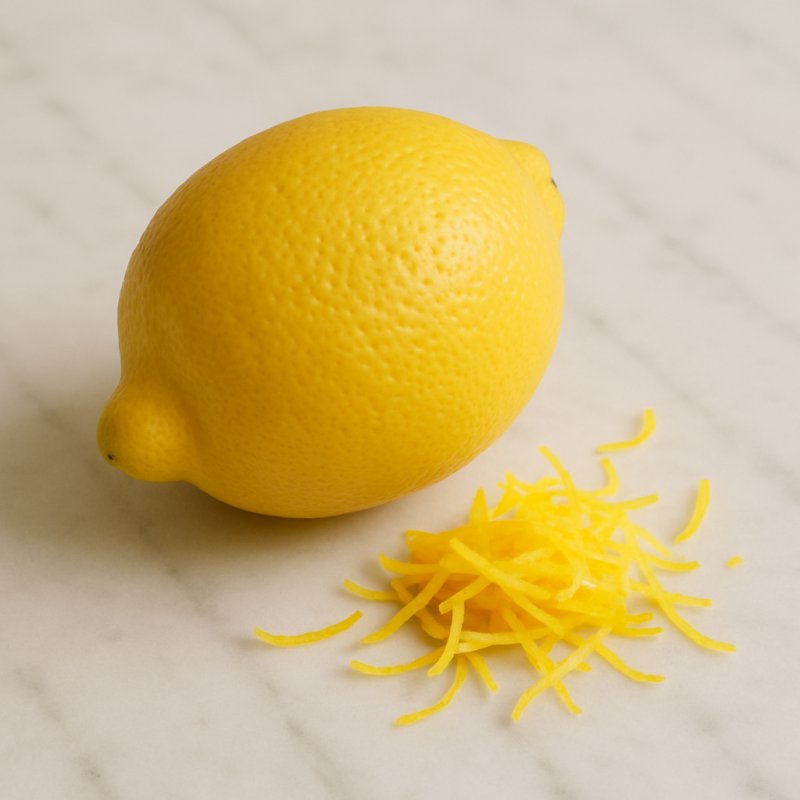
Lemon peel is the outer, colored skin of the lemon. It is often bright yellow and contains many aromatic compounds that make dishes and drinks fresh and lemony. You can obtain lemon peel in different ways: fresh from the lemon, dried, as a powder or in preserved form. Each form has its advantages – fresh smells and tastes most intensely, dried lasts longer and powder is easy to dose.
Origin and growing regions
Lemons grow on trees that like warm climates. They originally come from Asia but are now grown wherever it is mild and sunny. Important growing regions include:
Lemons grow on trees that like warm climates. They originally come from Asia but are now grown wherever it is mild and sunny. Important growing regions include:
- Mediterranean region (e.g. Italy, Spain, Greece): Many lemons are grown here because of warm summers and mild winters.
- USA (especially California and Florida): These states have many plantations and supply large quantities of lemons.
- South America (e.g. Argentina, Chile): Many lemons for export are grown there as well.
- South Asia (India, Turkey): These regions also have substantial lemon cultivation, often for the local market.
Some lemons grow on large plantations, others on smaller farms. When you buy a lemon in a shop or at the market, it may come from distant countries or from the region, depending on what is in season.
Available varieties and variants of lemon peel
There are different lemon varieties, and each has a slightly different peel. Here are some common varieties you might want to know:
There are different lemon varieties, and each has a slightly different peel. Here are some common varieties you might want to know:
- Eureka: A common supermarket variety. The peel is a strong yellow and good for grating (zesting).
- Meyer lemon: This one is somewhat sweeter and more delicate than ordinary lemons. Its peel is thinner and has a finer aroma. Many people like it for desserts.
- Verna and Femminello: These are Mediterranean varieties that are often particularly aromatic and rich in peel oils.
- Organic and untreated lemons: These are important if you want to use the peel, because many conventional lemons are treated after harvest with waxes or other substances. This is less common for organic lemons.
Forms in which you can find lemon peel
Lemon peel is not only available fresh. Here are the usual forms:
Lemon peel is not only available fresh. Here are the usual forms:
- Fresh zests: Small, thin strips or grated peel. Best made with a grater or zester.
- Dried peel: Has less of the delicate aroma than fresh, but keeps long and is practical to take along.
- Lemon peel powder: Ground dried peel, easy to dose, good for baking or muesli.
- Preserved peel (e.g. candied): Sweet preserved peel, often used in sweets or baked goods.
- Essential lemon oil: Very strong aroma, used sparingly, for example in perfumery or food.
A simple comparison: fresh lemon peel is like freshly picked herbs – bold and lively. Dried or powdered peel is like dried herbs – convenient and longer lasting but less intense.
If you want to use lemon peel, pay attention to its origin and whether the peel has been treated. For the best flavor, fresh untreated lemons are most suitable. This way you can be sure the lovely fresh lemon aroma from the peel makes it into your food or drink.