Menu & categories

Lean pork

Lean pork as a protein-rich meat ingredient

Wiki about lean pork Nutri-Score C Vegan No Gluten-free Yes Lactose-free Yes Nut-free Yes
NUTRITION / 100 g
135 kcal 21 g Protein 0 g Kohlenhydrate 5 g Fett

Introduction

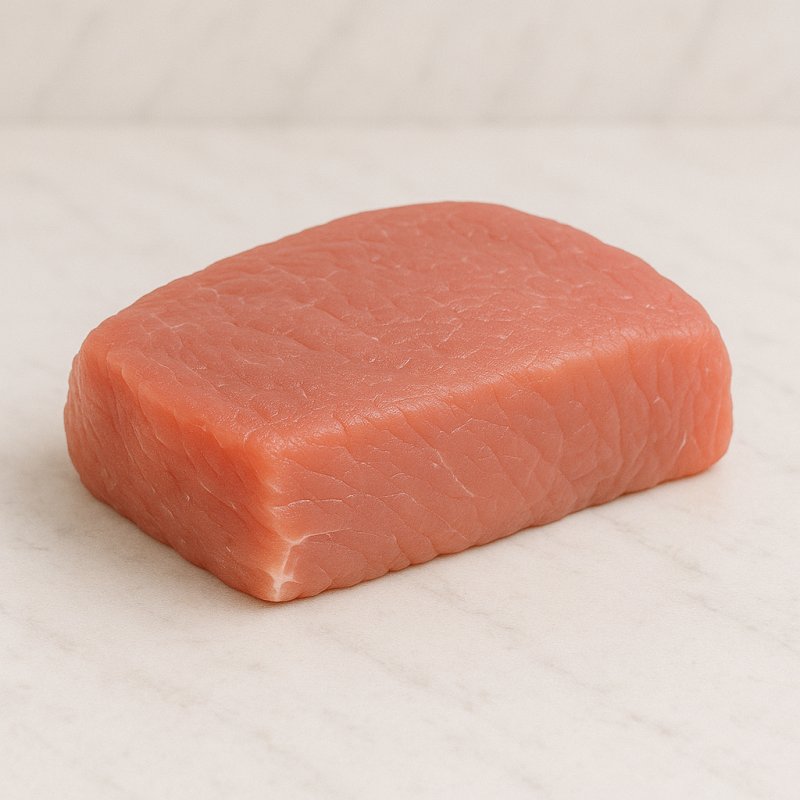
Raw lean pork on a cutting board
I have a strange relationship with lean pork, which lies somewhere between pragmatism and culinary infatuation. The first time I consciously saw a piece of lean pork loin sizzling in my pan, I thought: This will be dry. Instead, the versatility of this meat surprised me – from tender medallions to spicy stroganoff variations. A former colleague once brought a jar of mustard to lunch, and his spontaneous tip for marinated pork loins changed my approach permanently.

What fascinates me about lean pork is its balance: it is less fatty than people often assume, but has enough flavor to carry simple seasonings. I still remember a rainy evening when I came home low on energy and in 20 minutes conjured up a filling dish that still felt light. Its quick-cooking qualities make it a reliable companion in everyday life, especially when time and motivation are scarce.

Lean pork is also practical because of its nutritional values. It provides high-quality protein and can be integrated into many diets without weighing you down. I have tried recipes ranging from Mediterranean pan dishes to Asian-inspired stir-fries. Every cuisine turns this cut into something of its own, and often it is the small additions – a squeeze of lemon, fresh coriander or toasted almonds – that make the difference.

When shopping I pay attention to freshness and a pale, slightly pink color. Once curiosity led me into a market hall where I spoke with a stallholder who explained how cut and aging affect flavor and texture. Since then I ask more specifically about origin and butchering.

  • Cooking tips: Sear briefly, then finish in the oven, or slice thinly for pan and wok dishes.
  • Seasoning ideas: Mustard-honey, paprika-garlic, soy-sesame marinade or herb butter for simple enjoyment.
  • Nutritional info: Good source of protein, comparatively low in fat, versatile.
For me, lean pork is one of those ingredients that should not be missing in any household: uncomplicated, adaptable and surprisingly refined if you give it a few small attentions. I invite every reader to experiment a little – perhaps one's own kitchen love begins with a simple, perfectly fried medallion.

Availability & types

Availability and types of lean pork

Where does lean pork come from?
Lean pork comes from pigs that are kept on farms. Pigs are found in almost every part of the world: in Europe, North and South America, Asia and many other countries. Most supermarkets source their meat from regional farmers or larger meat producers. "Regional" means the meat comes from nearby – like local fruits and vegetables. This is often fresher and the transport distances are shorter.

How does it grow or "come about"?
Pigs don't "grow" like plants, but they are fed and cared for until they reach a suitable size. Lean pork means that the part you eat has little fat. This is achieved through breeding (that is, selecting certain pig breeds) and through the type of feeding and husbandry. Some farms ensure the animals get more exercise or different feed so the meat remains leaner.

Available cuts and types
Lean pork is available in different cuts that you can find in the supermarket or at the butcher. Here are the most important and simply explained variants:

  • Schnitzel / Cutlet: These are thin slices from the back. They are often lean and are quickly fried. You can prepare them with a breadcrumb coating (a crispy shell) or fry them plain.
  • Pork tenderloin: This is the leanest and most tender cut. It is long and slender, almost like a small cushion of meat. It cooks quickly and stays juicy if done correctly.
  • Pork roast / Joint: Larger pieces from the shoulder or leg can also be lean if visible fat is removed. These cuts are suitable for roasts or braised dishes.
  • Minced / Ground meat: Lean pork mince contains less fat than normal mince. It is made from several parts of the pig and is good for meatballs or sauces.
  • Sausage products: There are leaner varieties in sausages too, for example ham or light bratwurst types. It is important to check the packaging here, as fat is often added.
Differences and labels
In the shop you will often find labels like "lean", "extra lean" or percentage figures for fat content. It's like with yogurts where "low-fat" or "full-fat" is indicated. The lower the percentage, the less fat is in the meat. Sometimes the packaging also says "regional", "organic" or "free-range":

  • Regional means: from your area.
  • Organic means: The animals often had more space and natural feed; that can be better for some people.
  • Free-range means: The pigs could go outside – it's like a chicken that lays eggs and scratches outdoors.
When is it best available?
Lean pork is available all year round in supermarkets and at the butcher. Some offers are seasonal – for example when many people buy roasts for holidays – but basically you will always find the main cuts.

Simple tip to recognize it
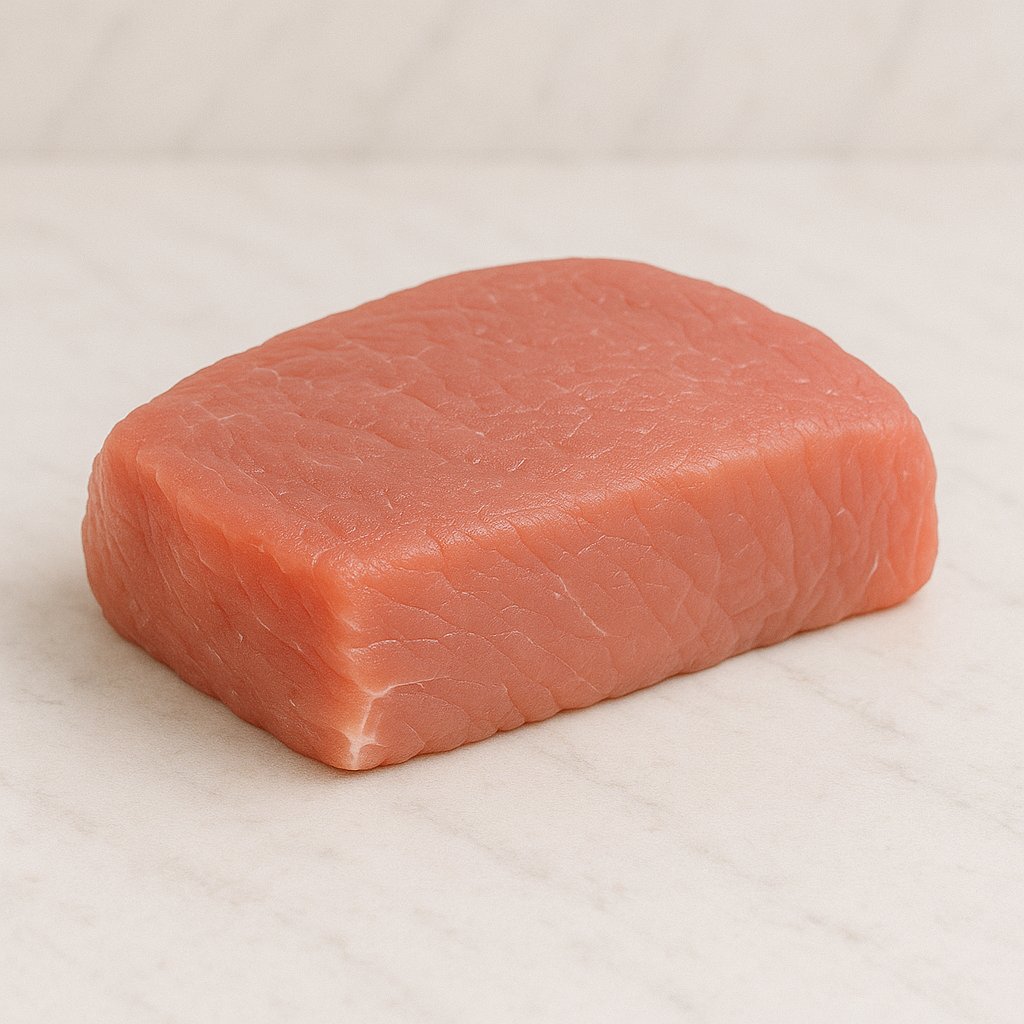
When you look at a piece of meat, lean pork is usually light pink and has little or no visible fat. When you read a package, look for information on fat content or words like "lean" or "low-fat". That way you quickly find the cut you're looking for.
Details & nutrition

Property Value
Unit g
Calories per 100 135
Protein per 100 21
Carbohydrates per 100 0
Sugar per 100 0
Fat per 100 5
Saturated fat per 100 1,8
Monounsaturated fat 2,2
Polyunsaturated fat 0,6
Fiber per 100 0
Vitamin C (mg) per 100 0
Vitamin D (IU) per 100 20
Calcium (mg) per 100 10
Iron (mg) per 100 1
Nutri-Score C
CO₂ footprint 6,0
Origin Pig, mostly from Europe
Gluten-free Yes
Lactose-free Yes
Nut-free Yes
Vegan No
Note Nutritional values for raw, lean pork without visible fat, average values per 100 g.

Technical & scientific information

Lean pork refers to pork with a relatively low fat content. It is predominantly muscle meat from cuts such as the leg, the loin or the shoulder, where visible fat and intramuscular fat (marbling) are reduced. Lean pork is valued in nutrition and food processing because, compared to fatty cuts, it provides less energy and is suitable for calorie-conscious preparations.

Chemical composition and constituents
The main components of lean pork are water, protein and a comparatively low proportion of lipids. Typical proportions are about 70–75% water, 20–22% protein and 2–5% fat, with exact values depending on cut, breed and husbandry. The proteins consist mainly of structural and metabolic proteins such as myosin, actin, tropomyosin and enzymes. Pork contains all essential amino acids and is therefore a complete protein source. Important micronutrients are vitamin B1 (thiamine), vitamin B12, niacin and riboflavin, as well as minerals like iron, zinc and phosphorus. The content of saturated and unsaturated fatty acids shifts in favor of unsaturated fatty acids in lean cuts; however, even lean pork contains certain amounts of saturated fatty acids.

Nutritional values (example values)
For 100 g of lean pork average values can be given: energy about 110–150 kcal, protein 20–22 g, fat 2–5 g and carbohydrates practically 0 g. Micronutrient contents are variable, but the meat provides noteworthy amounts of B vitamins and iron per portion.

Processing methods
Lean pork is processed raw, marinated, cured or heated. Common methods include roasting, grilling, braising and stewing. Industrial processing can turn the meat into sliced products, ham with reduced fat content or products like cevapcici and meatloaf with added fat and binders. In curing processes salt, curing salt containing nitrite and spices are used to increase shelf life and alter sensory properties. Heat treatments affect water-holding capacity, texture and nutrient availability; protein denaturation begins already at moderate temperatures, thereby influencing juiciness and tenderness.

Health aspects
From a nutritional point of view, lean pork can be a high-quality protein source and a favorable source of B vitamins. Moderate consumption within a balanced diet provides essential nutrients for muscle and nerve function. Limitations arise with processed meat products high in salt or nitrite content, which have been associated with increased health risks. Attention should also be paid to cooking methods: heavily charred or burnt meat can potentially form carcinogenic compounds (polycyclic aromatic hydrocarbons, heterocyclic aromatic amines).

Safety and storage
Like other raw meats, lean pork is susceptible to microbial spoilage. Refrigeration at 0–4 °C slows the growth of spoilage microbes, while freezing at −18 °C significantly extends shelf life. Hygienic handling, thorough cooking to recommended core temperatures and proper storage are important to prevent foodborne infections. Sensitive groups, pregnant women and immunocompromised persons should ensure reliable heating.

Ecological and production-related aspects
The composition and quality of lean pork are influenced by genetics, feeding and husbandry conditions. The composition of feed can change fat addition, fatty acid pattern and nutrient content. Animal-friendly husbandry and optimized feeding can improve, in addition to animal welfare, the sensory and nutritional properties of the meat.

In summary, lean pork is a nutrient-dense, protein-rich ingredient with low fat content that can be a sensible component of a balanced diet when properly processed and prepared. The choice of cut, the method of preparation and the origin of the meat significantly determine nutritional value, quality and health assessment.

Wiki entry for: lean pork
Active now: 18 visitors of which 2 logged-in members in the last 5 minutes