Menu & categories

Lean beef

High-protein, low-fat beef for versatile dishes.

Wiki about lean beef Nutri-Score C Vegan No Gluten-free Yes Lactose-free Yes Nut-free Yes
NUTRITION / 100 g
140 kcal 22.0 g Protein 0.0 g Kohlenhydrate 5.0 g Fett

Introduction

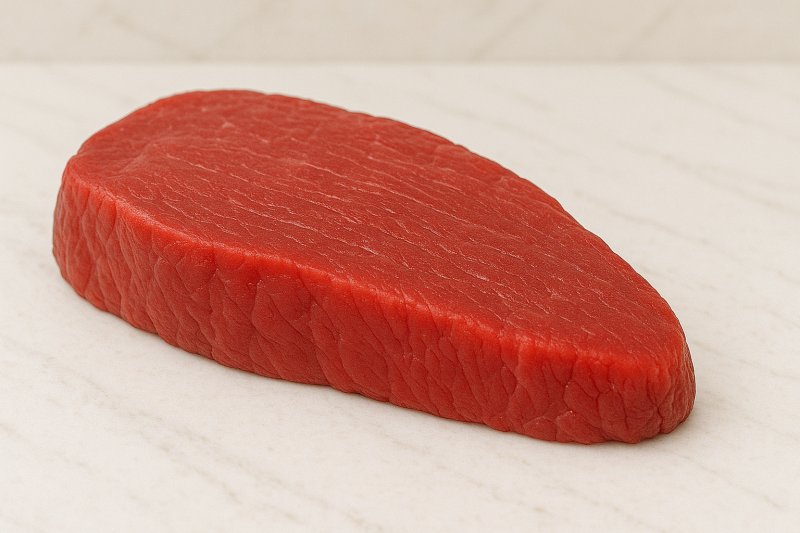
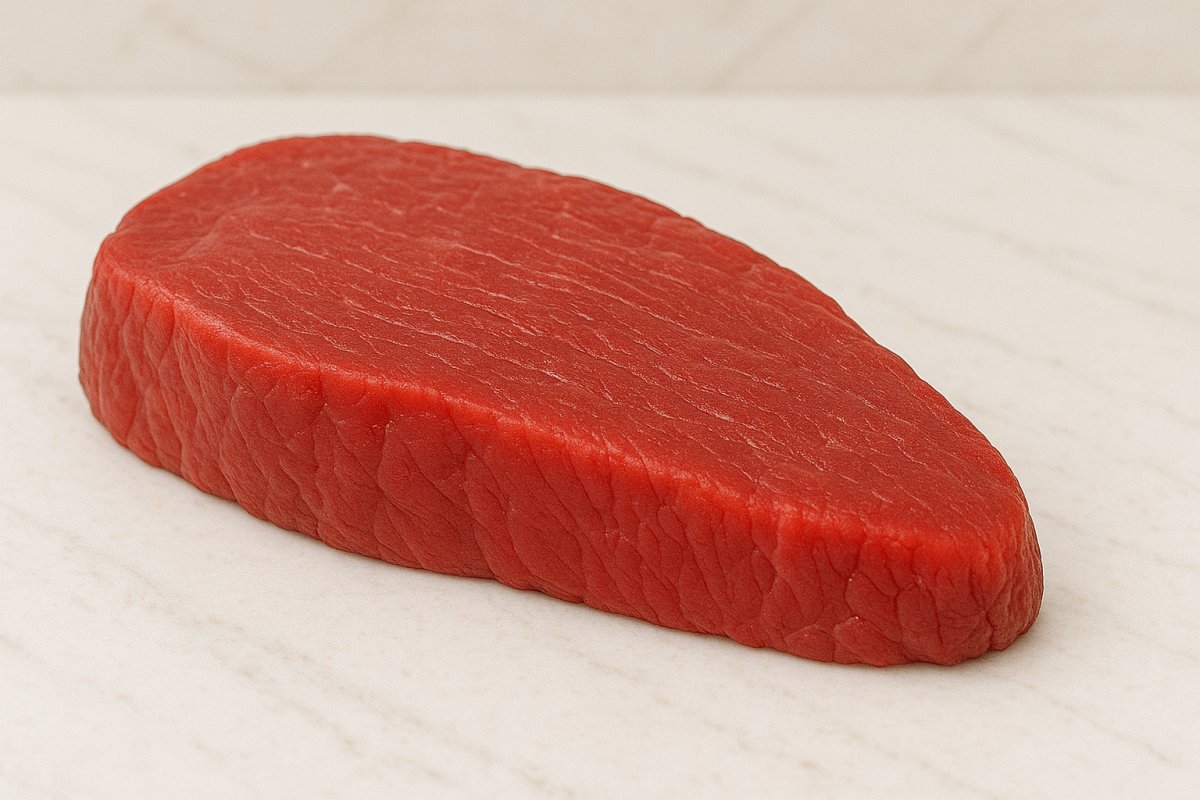
Lean beef on a cutting board
I have a soft spot for ingredients that do a lot with little fuss, and lean beef is at the top of that list. It's the meat that often sets the tone in my kitchen when I want to create something healthy, filling and versatile at the same time. I still remember a rainy evening when a simple pan dish of lean beef, onions and peppers rescued a group of friends from cooking frustration; since then I affectionately call it my "rainy-day wonder".

Lean beef is characterized by a low fat content yet has a robust, savory flavor. That makes it ideal for quick pan dishes, Asian wok variations, filled wraps or as an elegant addition to salads. Because it cooks quickly, it only needs a few minutes at high heat to stay tender, and I've gotten into the habit of never leaving it too long, otherwise it becomes dry.

Practical tips I've collected over the years:

  • Preparation: Marinate briefly with soy sauce, lemon juice or red wine to boost flavor and tenderness.
  • Heat: Sear at very high heat, then remove from the pan immediately so it stays juicy.
  • Cutting: Slice against the grain to improve texture.
  • Storage: Keep fresh in the coldest compartment of the refrigerator or vacuum-freeze.
A colleague of mine swears by thin strips in beef salad because they absorb the vinaigrette that way. I tried it and nodded approvingly while enjoying the next bite. Lean beef works wonderfully in Mediterranean, Asian or traditional European dishes, and pairs well with bold flavors as well as subtle herbs.

For me lean beef is a reliable base that always adapts to the mood of the dish: sometimes down-to-earth, sometimes refined, but always uncomplicated. It's the ingredient I reach for when I need something quick, when guests are coming or when I simply need something that both satisfies and leaves room for creativity.

Availability & types


Availability and types of beef (lean)

What does "lean" mean?
"Lean" beef has only a small amount of fat. You can imagine it like a jacket: thin jacket = lean, thick jacket = fatty. Lean meat is juicy but not as fatty, and many people like it because it is easier to eat and often healthier.

Origin – where does the beef come from?
Beef comes from cows and cattle that live on farms. These farms can be nearby or far away in other countries. In Germany cattle often come from regions such as Bavaria or Lower Saxony. But there is also meat that comes from other countries, for example from Argentina, the USA or Brazil. Important: fresh, local meat usually comes from nearby and is often quicker to find in the supermarket, while imported meat sometimes arrives frozen.

"Growing areas" – what does that mean for meat?
The term "growing areas" actually fits plants better. For meat we prefer to speak of rearing and origin areas. That means: where the animals lived, whether on green pastures (grazing) or in barns, and what the climate was there. These places influence the flavor and quality of the meat.

Available cuts and variants
Lean beef comes in many variants. Here are the main ones, simply explained:

  • Lean minced meat – finely chopped meat, good for burgers, sauces or meatballs. It's easy to shape and cooks quickly.
  • Steaks (lean) – slices from specific parts of the animal, quickly pan-fried. Examples: hip steak or rump steak, which are often lean and tender.
  • Roast/Roast beef – larger pieces that cook slowly in the oven. Ideal for family meals; crispy outside, juicy inside.
  • Goulash and braising meat – cut into cubes, good for stews and braised dishes. Lean goulash sometimes needs to cook longer to become tender.
  • Fillet/Tenderloin – very tender and usually lean cut, often a bit more expensive.
Special variants and labels
You can also find organic beef (from ecological farming), meat labeled regional and sometimes meat with origin labels like "from Bavaria". Organic usually means the animals had more space and different feed. Some shops also offer meat processed halal or kosher, slaughtered according to specific religious rules.

Where can you get lean beef?
You can find it in the supermarket, at the butcher, at weekly markets or online. Fresh meat is usually at the butcher, frozen and imported meat often at the supermarket. At the butcher you can also ask which cut is leanest – most sellers are happy to help.

In summary: lean beef is available in many cuts, from different regions and with various labels. Whether steak, minced meat or roast – you can always choose whether you want regional, organic or imported meat. Feel free to ask at purchase about the origin and whether the meat comes more from pasture or stable rearing – that helps to make the right choice.
Details & nutrition

Property Value
Unit g
Calories per 100 140
Protein per 100 22.0
Carbohydrates per 100 0.0
Sugar per 100 0.0
Fat per 100 5.0
Saturated fat per 100 2.0
Monounsaturated fat 2.2
Polyunsaturated fat 0.3
Fiber per 100 0.0
Vitamin C (mg) per 100 0.0
Vitamin D (IU) per 100 8
Calcium (mg) per 100 11
Iron (mg) per 100 2.6
Nutri-Score C
CO₂ footprint 27 kg CO2e/kg
Origin Germany / EU (variable, depending on supplier)
Gluten-free Yes
Lactose-free Yes
Nut-free Yes
Vegan No
Note Nutritional values may vary depending on cut, breed and fat content; values refer to raw lean beef.

Technical & scientific information


Definition and classification
Beef, lean refers to beef with a comparatively low fat content, obtained from muscle tissue with little intramuscular and subcutaneous fat. Common lean cuts are fillet, hip (round), Tafelspitz and parts of the leg. In many standards "lean" for meat is defined by a fat content of around ≤10 g fat per 100 g, although exact thresholds may vary by country and product category.

Chemical composition
Lean beef consists mainly of water (typically 60–75%), proteins (approx. 20–26 g/100 g), small amounts of lipids (about 1–10 g/100 g depending on the cut), minerals and water-soluble vitamins. Muscle proteins include structural proteins such as myosin and actin as well as storage and enzyme proteins. The pigment is mainly myoglobin, whose oxidation state influences meat color from pinkish-red to brownish-red.

Nutrients and bioactive components

  • Proteins: High-quality, complete amino acid profile with all essential amino acids; high proportions of leucine, isoleucine and valine (branched-chain amino acids).
  • Fats: Predominantly saturated and monounsaturated fatty acids; lean meat contains less total fat and therefore lower absolute amounts of saturated fatty acids.
  • Iron: Heme iron with high bioavailability (typically 2–3 mg/100 g), important for preventing iron deficiency.
  • Vitamins and micronutrients: Rich in vitamin B12, niacin (B3), riboflavin (B2) as well as zinc, selenium and phosphorus. Creatine, carnosine and other bioactive peptides are also present.
Processing and culinary properties
Lean beef is further processed by trimming excess fat, proper portioning and, if necessary, grinding. Mechanical treatments such as pounding or machine grinding affect texture and juiciness. On heating, physico-chemical processes occur such as protein denaturation, collagen conversion to gelatin and Maillard reactions at the surface, which shape flavor and color. However, at high temperatures heterocyclic amines and polycyclic aromatic hydrocarbons also form, whose formation can be reduced by gentle cooking methods (sous-vide, low temperatures).

Food safety and storage
Fresh lean beef must be protected from microbial contamination. Recommended refrigeration temperature is ≤4 °C; for longer storage freezing at ≤−18 °C is common. Minced meat and heavily comminuted meat have a higher risk of spoilage and contamination due to increased surface area and require higher core temperatures when cooking (e.g. ≥71 °C for minced meat) to safely kill pathogens.

Health aspects
Lean beef is nutritionally valuable due to its high protein content and essential micronutrients. However, regular consumption of large amounts of red meat has been associated in epidemiological studies with an increased risk of certain diseases, particularly colorectal cancer; evidence mainly concerns processed meat products and very high consumption levels. From a nutritional medicine perspective, moderate consumption within a varied diet is recommended as well as the preferred selection of lean cuts and gentle cooking methods.

Overall, lean beef represents a nutrient-rich, low-protein source of calories, whose nutritional benefits and risks largely depend on portions, preparation and consumption frequency.

Wiki entry for: lean beef
Active now: 11 visitors of which 2 logged-in members in the last 5 minutes