Menu & categories

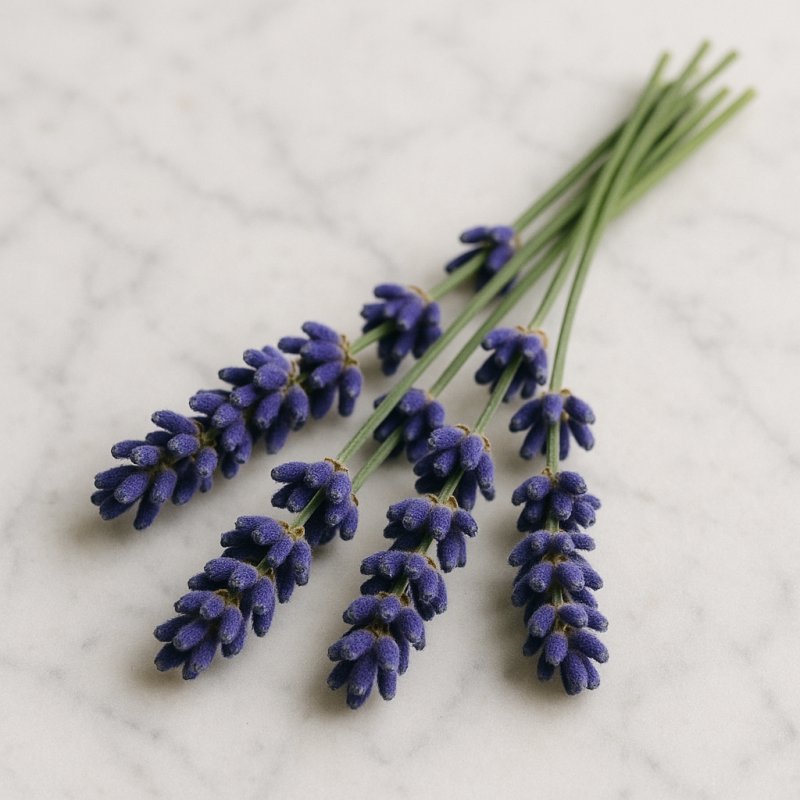
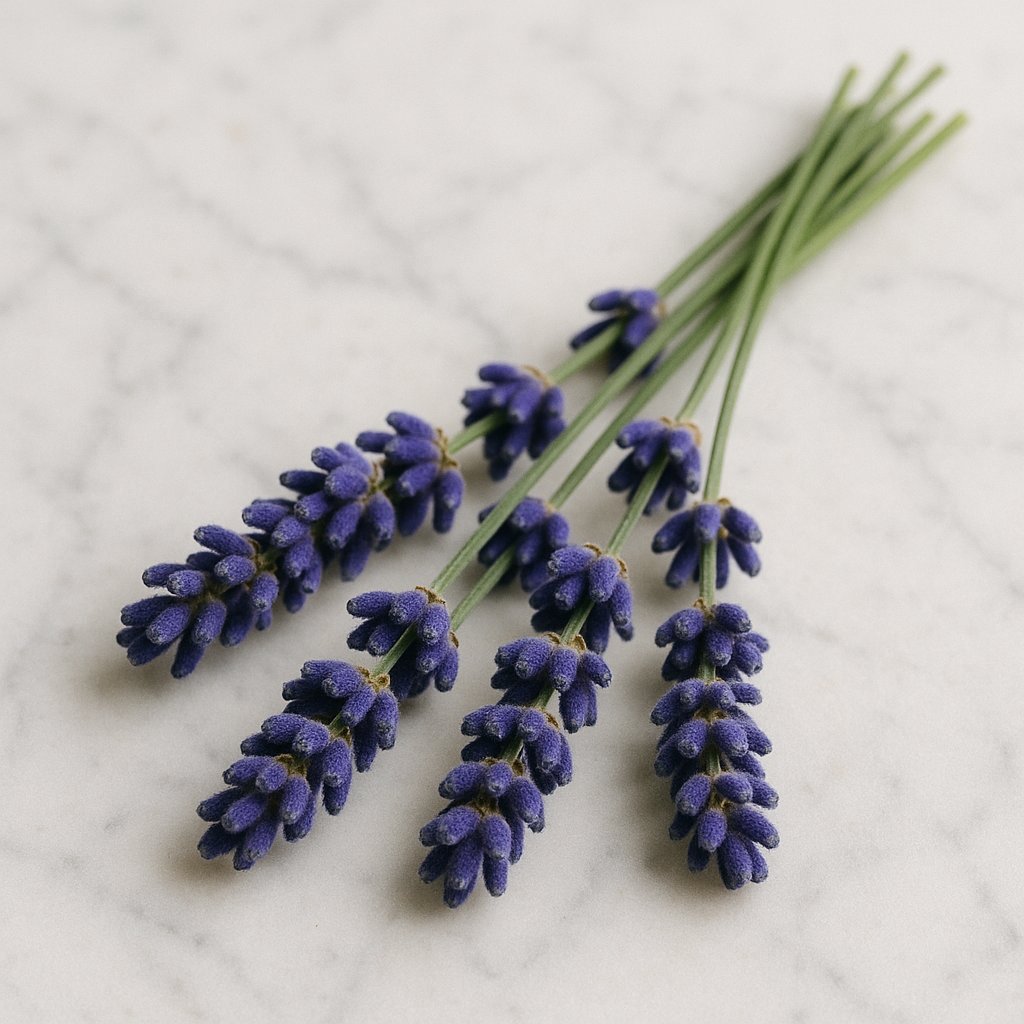
Lavender flowers

Aromatic flowers for teas and decoration

Wiki about lavender flower Nutri-Score B Vegan Yes Gluten-free Yes Lactose-free Yes Nut-free Yes
NUTRITION / 100 g
305 kcal 8.4 g Protein 60.0 g Kohlenhydrate 4.0 g Fett

Introduction

Dried lavender flowers in a bowl
I remember exactly the day I first came into contact with lavender flowers. It was at a small market in southern France, surrounded by colorful stalls and the intoxicating scent of freshly baked bread. The lavender stall drew me in like a magnet, and I couldn't resist buying a small bag of the blue flowers. These little scented treasures have enriched my life in many ways ever since.

Lavender flowers are not only a feast for the senses, but they also have a long history in cooking and folk medicine. I learned that they can be used wonderfully not only in aromatherapy but also in gastronomy. Who would have thought that these small flowers are so much more than just pretty to look at? They give dishes a floral note and can be used in both savory and sweet recipes.

  • In desserts: Lavender flowers pair wonderfully with cakes, creams and even ice cream. I once tried a recipe for lavender-almond cookies, and they were the hit of a tea party I hosted.
  • In savory dishes: Surprise your guests by adding a few flowers to a lamb dish or an herb butter. It gives the dish an elegant touch.
  • As tea: A relaxing cup of lavender tea after a long day can work wonders. I often make one when I want to unwind after a stressful day.
The scent of lavender has something calming. I clearly remember an evening when I was sitting on the balcony with friends while the sunset dyed the sky a soft purple. I had prepared a lavender syrup that we mixed with prosecco. The result was a refreshing cocktail that enchanted us all and put everyone in a relaxed mood.

But the use of lavender flowers goes beyond the kitchen. They are also used in naturopathy. They are said to have calming effects, improve sleep quality and even help with headaches. Personally, I have found that a few drops of lavender oil on my pillow help me sleep better.

So the next time I see a bunch of lavender, I will think back to that market in France and how much joy these simple little flowers have brought me. For me, lavender flowers are not just an ingredient—they are an experience that enriches the senses, evokes memories and soothes the soul. They are a true treasure of nature that I wouldn't want to be without.

Availability & types

Lavender flowers are a beautiful and fragrant ingredient used in many areas, from cooking to aromatherapy. To better understand the availability and the different types of lavender flowers, let's look at where they come from, where they are cultivated and which varieties exist.

The origin of lavender lies in the Mediterranean. It originally grew wild in the warm and sunny regions of Europe. Today, however, lavender can be found in many parts of the world. The best-known growing areas are France, Spain, Italy and England. In these countries there are large fields full of lavender that are in full bloom in summer and fill the air with their wonderful scent.

Lavender is mainly grown in warmer climates because it likes a lot of sun and little moisture. The plants grow best in well-drained soils and require little care. This makes it easy for many farmers to cultivate lavender.

There are various varieties of lavender that differ in appearance and scent. Here are some of the best known:

  • True lavender (Lavandula angustifolia): This variety has a sweet scent and is often used for the production of essential oils. It is also popular in cooking, for example in baked goods or teas.
  • French lavender (Lavandula dentata): This variant has toothed leaves and a stronger, slightly spicier scent. It is often planted in gardens because it looks very attractive.
  • Spanish lavender (Lavandula stoechas): This variety has striking, large flower heads that look like little hats. It has a very intense scent and is often used in perfume production.
  • Hybrids: There are also many crosses between the different lavender varieties that have special characteristics. For example, there are varieties that are particularly hardy or produce particularly many flowers.
Lavender flowers are not only nice to look at but also very useful. They can be dried and used in many products, such as in herb blends, teas or even in soaps and perfumes. Sometimes they are also found in essence or oil form, which are used in aromatherapy to relax or scent a room.

If you want to buy lavender flowers, you can find them in many shops. They are often available dried in health food stores, at weekly markets or even in large supermarkets. It is important to ensure that the flowers come from organic cultivation so that they have not been grown with harmful chemicals.

In summary, lavender flowers are a versatile and beautiful ingredient that originates from warm regions of Europe and is available in various varieties.
Details & nutrition

Property Value
Unit g
Calories per 100 305
Protein per 100 8.4
Carbohydrates per 100 60.0
Sugar per 100 0.0
Fat per 100 4.0
Saturated fat per 100 0.5
Monounsaturated fat 0.0
Polyunsaturated fat 0.0
Fiber per 100 26.0
Vitamin C (mg) per 100 0.0
Vitamin D (IU) per 100 0.0
Calcium (mg) per 100 200
Iron (mg) per 100 3.0
Nutri-Score B
CO₂ footprint 0.2
Origin France
Gluten-free Yes
Lactose-free Yes
Nut-free Yes
Vegan Yes
Note Ideal for teas, aromatherapy and as a spice.

Technical & scientific information

Lavender flowers, the dried flowers of the lavender plant (genus Lavandula), are known not only for their aromatic scent but also for their wide-ranging uses in aromatherapy, cooking and traditional medicine. The most commonly used species is Lavandula angustifolia, also known as true lavender, appreciated for its high quality and intense fragrance.

Chemical composition

Lavender flowers contain a variety of chemical compounds responsible for their therapeutic properties. The main constituents include:

  • Essential oils: These make up about 1-3% of the flowers' weight and contain components such as linalool, linalyl acetate and camphor, which are responsible for the calming and anti-inflammatory properties.
  • Flavonoids: These secondary plant compounds contribute to lavender's antioxidant properties and support overall health.
  • Tannins: These compounds have astringent properties that can be useful in skin care and to relieve digestive issues.
Health aspects

Lavender flowers are traditionally used in naturopathy. Some of the most notable health benefits are:

  • Calming and stress reduction: Lavender's aroma and volatile compounds have a relaxing effect and can help with anxiety and sleep disorders.
  • Anti-inflammatory action: The anti-inflammatory properties of the oils found in lavender can be useful for skin irritations and wounds.
  • Antioxidant properties: The flavonoids in lavender protect cells from oxidative stress and contribute to overall health.
  • Antimicrobial effects: Lavender has demonstrated antimicrobial properties that can aid in wound healing.
Processing methods

The processing of lavender flowers takes place in several steps:

  • Harvest: Flowers are typically harvested in midsummer when they are in full bloom and have the highest essential oil content.
  • Drying: To extend shelf life and preserve active compounds, the flowers are gently dried in a dry, dark place.
  • Extraction: Various extraction methods can be used to produce lavender oil, including steam distillation and cold pressing.
Nutritional values

Although lavender flowers are mainly valued for their aromatic and healing properties, they also contain some nutrients:

  • Calories: Lavender flowers are low in calories and contribute only minimally to nutrition.
  • Vitamins: They contain small amounts of vitamins A and C, which can support the immune system.
  • Minerals: Lavender flowers provide minerals such as calcium, iron and magnesium.

Wiki entry for: lavender flower
Active now: 24 visitors of which 2 logged-in members in the last 5 minutes