Menu & categories

Lattella Mango

Fruity yogurt drink with mango flavor.

Wiki about Lattella Mango Nutri-Score B Vegan No Gluten-free Yes Lactose-free No Nut-free Yes
NUTRITION / 100 ml
67 kcal 3.1 g Protein 11.2 g Kohlenhydrate 1.5 g Fett

Introduction

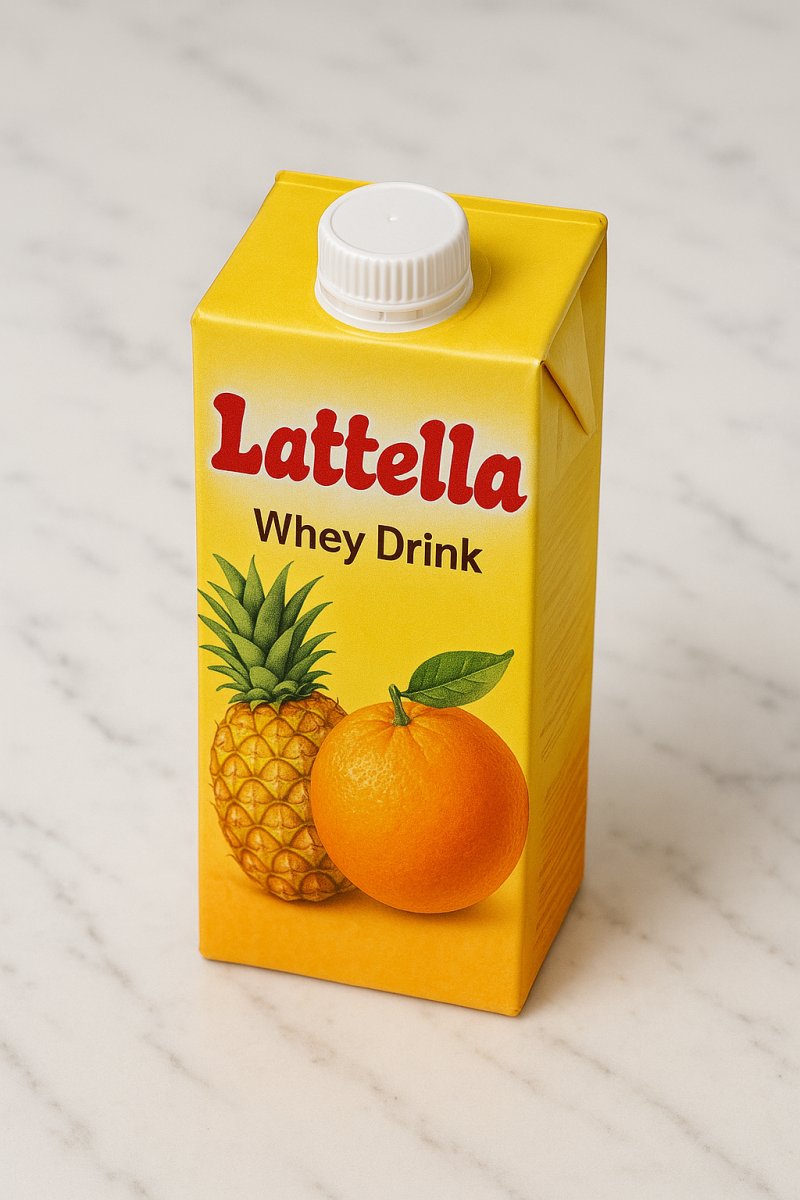
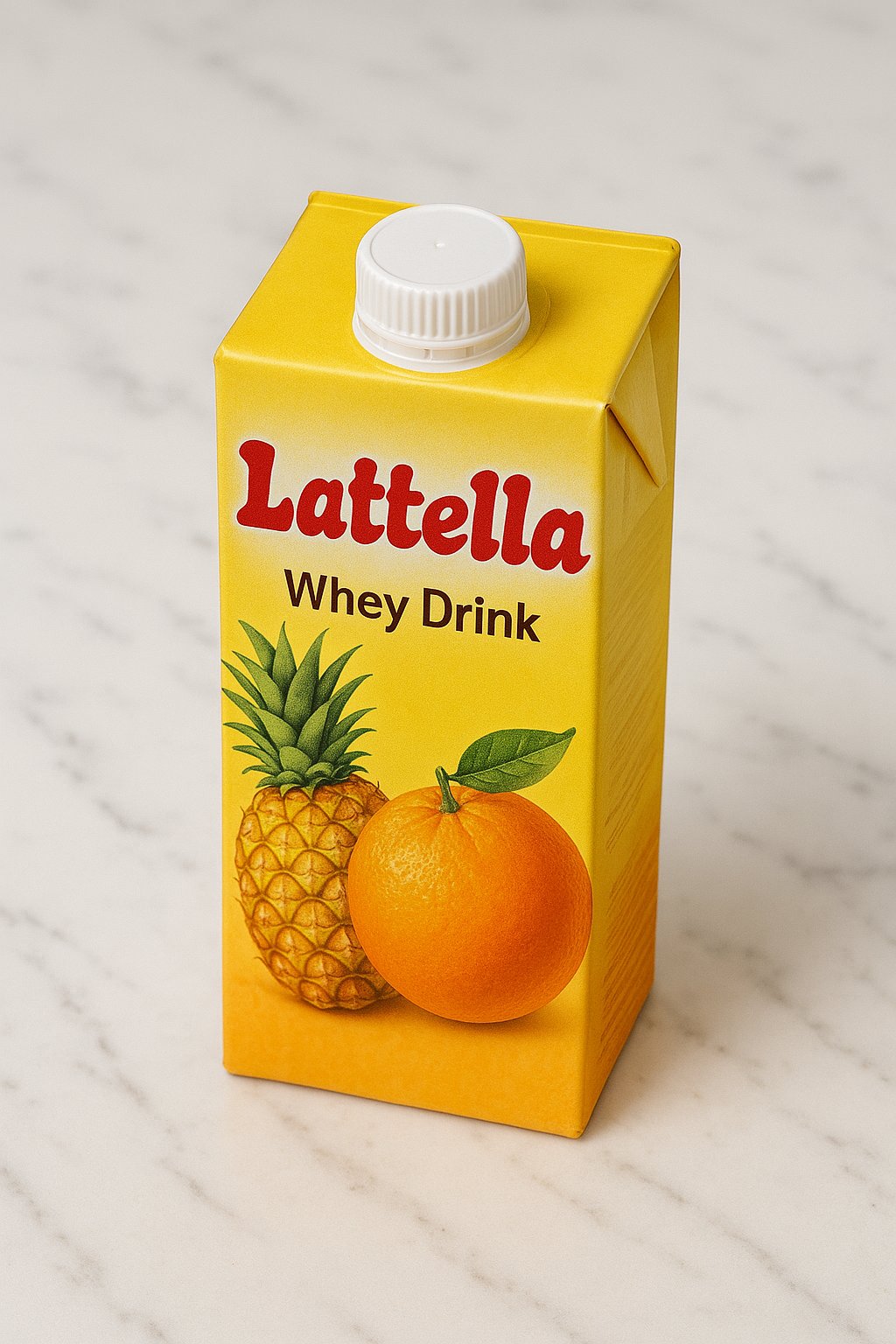
Bottle of Lattella Mango yogurt drink
When I think of Lattella Mango, I picture sunny afternoons and a bottle that does more than just quench thirst. I still remember a road trip through rolling countryside when an opened bottle of Lattella Mango turned the small kitchen window of a camper van into a little fruit bar. The first sip was surprisingly creamy and at the same time fresh, as if someone had brought mango and milk together in perfect harmony.

The variety appeals to me because it combines the sweet, tropical fruitiness of mango with a pleasant acidity. This balance makes the drink versatile. A colleague of mine was so enthusiastic that he used it to refine pancakes, and I later found that Lattella Mango also plays a wonderful role in desserts and smoothies.

What makes Lattella Mango special for me are three characteristics I often mention:

  • The taste is intense but not overpowering, so the mango is clearly present.
  • The texture is velvety‑creamy, which makes the drink more than just a refreshing beverage.
  • The versatility allows both quick refreshment and creative recipes with great flavor impact.
In my kitchen I have often used the mango variant as a base for quick desserts. A simple recipe that always works consists of Lattella Mango, some gelatin and fresh mango pieces; the result is an uncomplicated, airy mango pudding that guests find almost magical. I also find that a splash of Lattella Mango in fruity cocktails or mocktails gives a small, fine aroma upgrade.

I also like the little touch of nostalgia that comes with drinking it. Sometimes it is the simple pleasure of enjoying something well made that evokes memories. For me Lattella Mango accompanies moments when taste and conversation go hand in hand, and that is exactly what makes this ingredient so lovable and inspiring.

Availability & types

Availability and types

Where does the mango come from?
The mango originally comes from South Asia, that is from countries like India and Bangladesh. You can think of it like apples: in the past they only grew in certain places, but today they are cultivated wherever it is warm enough. Mango trees are now found in many warm countries, for example in Southeast Asia, Africa, Mexico, Brazil and some regions of Europe with a warm climate. Fresh mangoes are often seasonal, meaning they grow and are harvested only at certain times of the year.

How does the mango flavor get into Lattella?
Lattella Mango is a fruit‑milk beverage that has the taste of mango. The flavor can be introduced into the drink in different ways:

  • Fruit puree: This is real mashed fruit flesh. It can sometimes feel a bit chunky or pulpy, like a soft fruit compote.
  • Fruit concentrate: This is like a strong version of mango juice. Juice is taken and the water is reduced so that more flavor remains. Concentrates are often imported because fresh mangoes do not grow everywhere all year round.
  • Flavorings: Sometimes mango flavor is created by aromatic additives. These ensure that the drink tastes the same even when real fruit is scarce.
Why is Lattella Mango often readily available?
Even though fresh mangoes can be harder to obtain depending on the season, Lattella Mango is usually available in supermarkets year‑round. This is because manufacturers use concentrates or flavorings that do not spoil as quickly as fresh fruit. In addition, drinks are bottled or packed in tetrapaks and packaged to be long‑lasting. You can therefore often find Lattella Mango in the refrigerated shelf, sometimes also unrefrigerated in certain assortments.

Which variants and types are there?
Manufacturers offer similar products in different versions. Common variants are:

  • Original/creamy: This is the classic version, somewhat thicker and full in flavor.
  • Light/low‑calorie: With less sugar or with sweeteners for people who watch calories.
  • Vegan or lactose‑free: Sometimes there are alternatives without milk components, e.g. based on plant milks.
  • With fruit pieces: Some versions contain small fruit pieces or flakes for a "fruitier" experience.
  • Single portions and multipacks: Small bottles for on the go or larger cartons for home.
Where can you buy Lattella Mango?
You can usually find Lattella Mango in the supermarket, beverage stores or online. During promotions or in warmer months there are often more varieties on the shelf. If you always want the same variant, it is worth reading the manufacturer information on the packaging — it will state whether real fruit puree, concentrate or flavoring was used.

In summary: Lattella Mango combines the sweet taste of mango with a creamy drink. The mango itself comes from warm countries, is often processed as concentrate or puree, and the drink is available in several variants — so almost everyone can find the right type for their taste and dietary preference.
Details & nutrition

Property Value
Unit ml
Calories per 100 67
Protein per 100 3.1
Carbohydrates per 100 11.2
Sugar per 100 10.8
Fat per 100 1.5
Saturated fat per 100 1
Monounsaturated fat 0.4
Polyunsaturated fat 0.1
Fiber per 100 0.2
Vitamin C (mg) per 100 1.5
Vitamin D (IU) per 100 0
Calcium (mg) per 100 110
Iron (mg) per 100 0.05
Nutri-Score B
CO₂ footprint 0.11 kg CO2e/100 ml (Schätzwert)
Origin Austria/EU
Gluten-free Yes
Lactose-free No
Nut-free Yes
Vegan No
Note Yogurt/milk mixed drink with mango flavor; nutritional values may vary slightly depending on the recipe.

Technical & scientific information


Lattella Mango typically refers to a whey‑based beverage with mango flavor or mango content, offered as a refreshing drink based on milk residues (whey). Technically, it is a homogenized, heat‑treated mixed beverage composed of a milk or whey base, fruit components, sweeteners and technological additives. Such products combine the nutritional properties of whey proteins with the sensory properties of fruit preparations.

Typical composition and ingredients

  • Water base: The main portion consists of water; the water content is usually over 85%.
  • Milk and whey components: Included are pasteurized milk or whey as well as their dried or concentrated forms. Important proteins are whey proteins such as β‑Lactoglobulin and α‑Lactalbumin, with a smaller proportion of casein.
  • Carbohydrates: Mainly lactose from milk as well as added household sugar (sucrose) or glucose‑fructose syrups; total sugar content varies considerably depending on the formulation.
  • Fat: Fat content is low to moderate (e.g. 0.5–3.5 g/100 ml), depending on the milk base used.
  • Fruit components: Mango concentrate, mango puree or flavorings provide taste and colorants (carotenoids such as β‑carotene).
  • Stabilizers and emulsifiers: Pectin, locust bean gum, guar gum or modified starches are used to prevent phase separation and stabilize texture.
  • Acidulants and acidity regulators: Citric acid or ascorbic acid (as an antioxidant and acidity regulator) influence pH and shelf life.
  • Minerals and vitamins: Natural calcium from milk; vitamins (e.g. vitamin C) are sometimes added.
Nutritional values (typical ranges, per 100 ml)

  • Energy value: approx. 50–90 kcal (210–375 kJ)
  • Protein: 1–3 g
  • Fat: 0.5–3.5 g
  • Carbohydrates (of which sugars): 6–12 g
  • Calcium: 40–120 mg
Processing methods

Industrial manufacture includes standardized steps: raw material reception and quality control, standardization of milk/whey (adjustment of fat and dry matter), homogenization to reduce fat globule size, addition of fruit components and technological aids, and heat treatment. Heat treatments used include pasteurization (e.g. ~85–95 °C for a few seconds to minutes) or UHT treatment (approx. 135–150 °C for a few seconds). After cooling, aseptic filling or filling under controlled conditions follows. Stabilization against phase separation and control of viscosity are central technical challenges.

Physico‑chemical properties and microbiological aspects

Fruit‑whey beverages typically have a pH in the range of about 3.5 to 4.5, depending on the fruit acid content and added acidulants. The water activity (aw) is, due to the high water content, close to 0.97–0.99, which in principle allows microbial growth; therefore effective heat treatments and hygienic filling are necessary. After appropriate heat treatment the microbiological load is low, but after opening re‑colonization by microorganisms can occur.

Health aspects

Whey protein provides a favorable amino acid composition with high biological value and rapid absorption rates, which is beneficial for muscle metabolism and recovery. Mango supplies provitamin A carotenoids and vitamin C, which can have antioxidant effects. On the other hand, the sugar content should be considered critically, as sugar‑rich variants can contribute to energy excess. For people with lactose intolerance or milk allergy, Lattella‑like products pose an issue because they contain milk proteins and lactose.

Shelf life and storage

Unopened products last longer when stored refrigerated; UHT‑filled variants can, in unopened packaging, also be shelf‑stable at room temperature. After opening, refrigeration and prompt consumption are recommended, typically within 2–3 days. Sensory changes such as phase separation or flavor loss are possible if stabilizers do not work optimally.

In summary, Lattella Mango is a technologically processed, whey‑based fruit beverage type with defined nutritional properties, whose exact composition and nutritional values depend on the product. The main considerations concern the composition of proteins and sugars, the heat treatments applied for microbial safety, and the effects on tolerability and nutritional balance.

Wiki entry for: Lattella Mango
Active now: 17 visitors of which 2 logged-in members in the last 5 minutes