Menu & categories

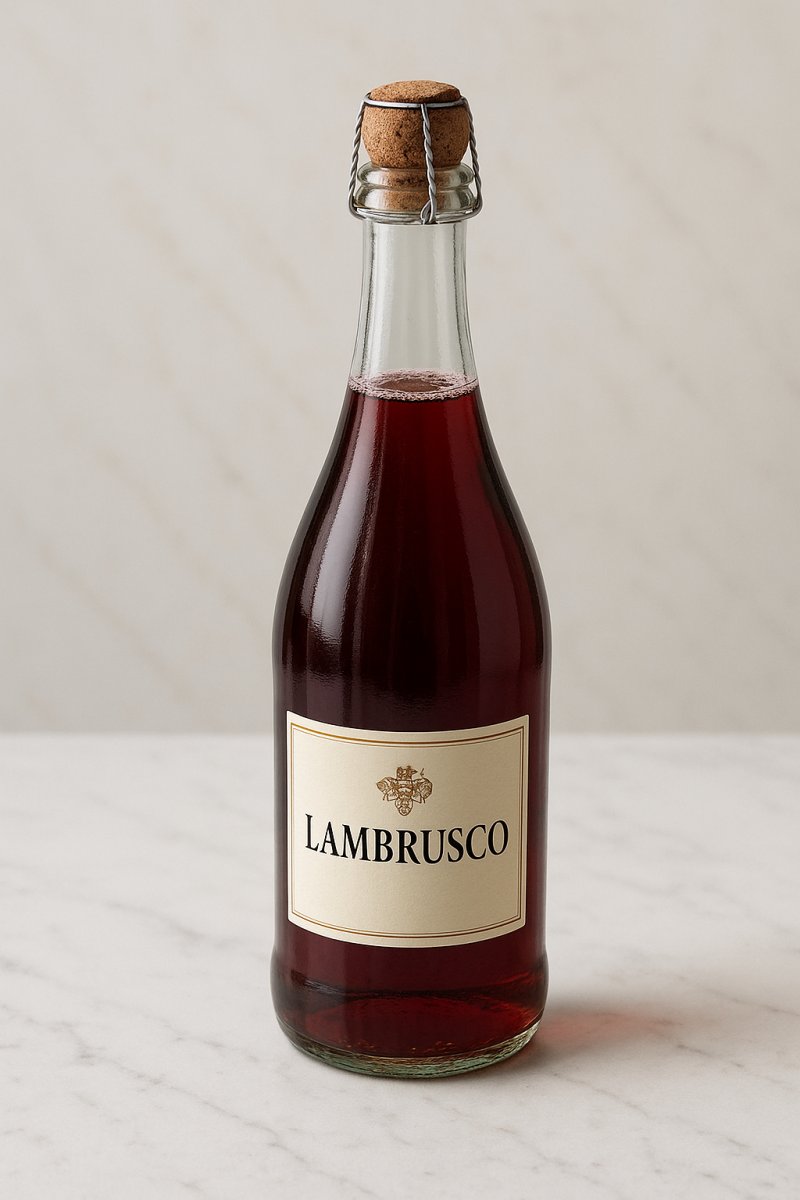
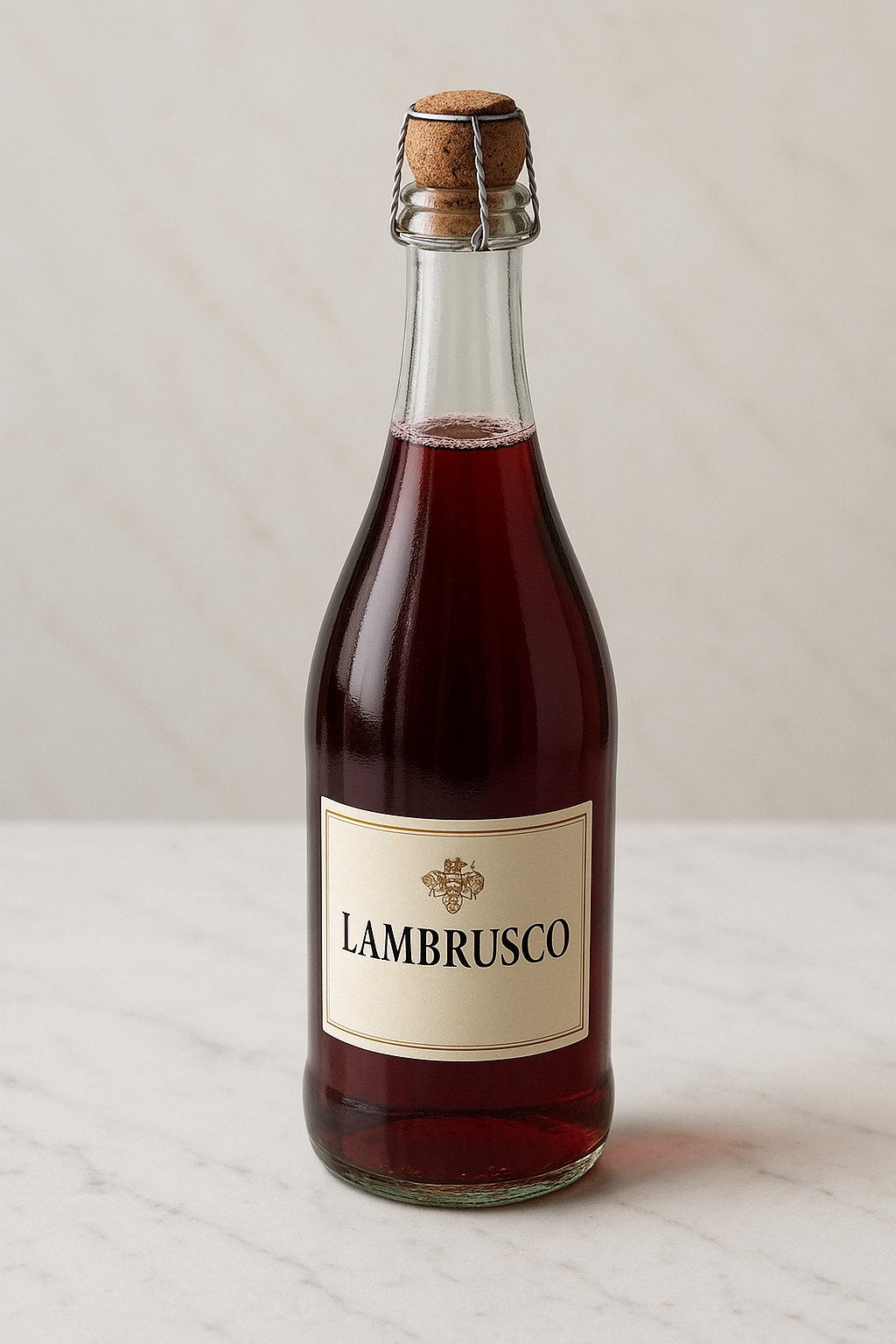
Lambrusco

Sparkling Italian red wine with fruity notes

Wiki about Lambrusco Nutri-Score E Vegan No Gluten-free Yes Lactose-free Yes Nut-free Yes
NUTRITION / 100 ml
80 kcal 0.1 g Protein 3.0 g Kohlenhydrate 0.0 g Fett

Introduction

A glass of Lambrusco (Italian sparkling wine)
I have a special relationship with Lambrusco, a sparkling wine that is far too often underestimated. The first time I opened a bottle I was surprised by the freshness and the cheeky perlage; the light carbonation tickled the tongue and the aromas recalled red berries, hibiscus and a slightly tart cherry. Since then Lambrusco has appeared for me again and again in unexpected places, from rustic trattorias to shiny wine bars, and each time it tells a different story.

I still remember a picnic with friends when a colleague pulled a simple but lively bottle of Lambrusco out of a wine box. With our little plates of Parma ham and fried vegetables the wine matched so well that we moved from the bottle to the second course without feeling like we were drinking a heavy drop. This lightness makes Lambrusco particularly appealing to me.

In the bottle Lambrusco can appear very different. Some variants are delicate and finely perling, others full-bodied and full of fruity power. Typical characteristics I repeatedly discover are:

  • Fresh acidity: It provides drinkability and liveliness.
  • Red fruits: Raspberry, pomegranate, sometimes also strawberry and cherry.
  • Floral notes: Especially in varieties with a Sorbara component.
  • Variety in style: from dry (secco) to sweet (dolce), from lightly sparkling (frizzante) to more fully sparkling (spumante).
I like how Lambrusco creates culinary dialogues. It harmonizes with aged cheese, spicy salami, pizza with a thick crust and even with sweet-and-sour dishes. Several producers today work very carefully again, so you can find both classic, uncomplicated bottles and elegant, terroir-driven versions. When I want to surprise guests, I serve Lambrusco well chilled and always enjoy the reactions when the first tasting breaks out of the expected cliché.

For me Lambrusco is a wine with character that can express both cheerfulness and craftsmanship, and that is precisely what makes it so lovable and rewarding.

Availability & types

Lambrusco is the name for a group of wines that originally come from Italy. When you hear Lambrusco, you can imagine that it is often a slightly sparkling, fruity red wine – similar to a gentle lemonade, but for adults. Important to know: alcohol is not suitable for children. Adults enjoy Lambrusco with certain dishes or simply as a refreshing drink.

Origin
Lambrusco grows mainly in an area of northern Italy called Emilia-Romagna. A small part also comes from the neighboring province of Lombardy (near Mantua). These regions have hilly vineyards, warm days and cool nights — ideal for the grapes to develop sweet aromas and fresh acidity. You can think of it as a good compromise: lots of sun for flavor and cool air for freshness.

Growing areas
Famous places where Lambrusco is grown include:

  • Lambrusco di Sorbara – very aromatic and often lighter in color.
  • Lambrusco Grasparossa di Castelvetro – more robust and often full-bodied.
  • Lambrusco Salamino – round and fruity, a good everyday wine.
  • Lambrusco Reggiano and Lambrusco Mantovano – further regional variants with their own characteristics.
Available types and variants
Lambrusco comes in different styles, and that's the exciting part — almost like different kinds of juice or lemonade:

  • Frizzante – lightly sparkling, small bubbles, very refreshing, like a gentle fizzy drink.
  • Spumante – more fully sparkling, with stronger bubbles, similar to Champagne or sparkling wine.
  • Still (tranquillo) – without sparkle, more like a regular red wine.
  • Secco – dry, meaning little sugar; tastes more savory and pairs well with salty foods.
  • Amabile – lightly sweet, not too much sugar, often pleasant for beginners.
  • Dolce – sweet, reminiscent of dessert wines or sweet juices.
  • Rosato – rosé variant, fruity and light.
  • Bianco – rare white variant, not as common as the reds.
Availability
Lambrusco is available worldwide, but some varieties are more commonly found than others. In supermarkets and larger beverage stores there are often inexpensive bottles suitable for everyday use. In wine shops and online you can also find higher-quality or rare bottlings. Sometimes Lambrusco even comes in cans — practical for picnics or parties. Prices range from very cheap to somewhat pricier, depending on how elaborate the wine was made.

When and how to enjoy?
Lambrusco goes great with pizza, pasta, cheese or savory dishes because the wine's freshness balances the food. Lambrusco is not suitable for children; adults should handle it responsibly. If you want to know more about individual varieties, a look at the origin (e.g. di Sorbara) often tells you how the wine will taste.

In summary: Lambrusco is a versatile family of wines from northern Italy with many types from sparkling to still, dry to sweet. It is easy to find on the market, from inexpensive everyday bottles to special bottles in wine shops. It is ideal to try with food or on warm days as a refreshing drink for adults.
Details & nutrition

Property Value
Unit ml
Calories per 100 80
Protein per 100 0.1
Carbohydrates per 100 3.0
Sugar per 100 3.0
Fat per 100 0.0
Saturated fat per 100 0.0
Monounsaturated fat 0.0
Polyunsaturated fat 0.0
Fiber per 100 0.0
Vitamin C (mg) per 100 0.0
Vitamin D (IU) per 100 0
Calcium (mg) per 100 6
Iron (mg) per 100 0.3
Nutri-Score E
CO₂ footprint 0.17
Origin Italy (Emilia-Romagna)
Gluten-free Yes
Lactose-free Yes
Nut-free Yes
Vegan No
Note Alcoholic beverage; nutritional values may vary depending on sweetness level (secco/amabile/dolce).

Technical & scientific information

Lambrusco refers both to a group of indigenous grape varieties from the Emilia-Romagna and Lombardy regions in northern Italy and to the red wines produced from them, which often appear on the market as frizzante or spumante. The wines are characterized by lively carbonation, pronounced fruit aromas and a usually deep-red to purplish color. Different clones and subtypes (for example Lambrusco Salamino, Grasparossa or Marani) yield different expressions in color, tannin content and aroma profile.

Chemical composition
The main component of a Lambrusco is water, followed by ethanol, dissolved carbon dioxide, organic acids and dissolved solids. Typical values for commercial Lambrusco wines are an ethanol content of about 8.5–12.5 % vol, a total acidity (as tartaric acid equivalent) of roughly 4–8 g/L and a pH usually in the range 3.0–3.6. The dissolved carbon dioxide varies depending on the level of sparkle; frizzante wines have significantly less CO2 than fully sparkling spumante.

Phenols and pigments
The red color is mainly due to anthocyanins, with malvidin derivatives often dominant. In addition, Lambrusco wines contain flavonols, proanthocyanidins (tannins) and other polyphenols that influence flavor, texture and aging. The expression of these compounds depends on grape variety, grape ripeness and maceration time.

Aroma and volatile compounds
Aroma and flavor forms arise from primary grape aromas (terpenes, methoxypyrazines), from fermentation by-products (esters, higher alcohols) and from microbially driven processes. The production of fruity esters is often promoted by selected yeast strains of the genus Saccharomyces.

Technical processing methods

  • Must preparation: gentle pressing and cold clarification to minimize unwanted bitter components.
  • Maceration: short to medium maceration times for color extraction; longer maceration increases tannin levels.
  • Fermentation: temperature control in stainless-steel tanks, frequent use of pure yeast strains.
  • Carbonation: many Lambrusco are produced using the Charmat/Martinotti method or partial bottle fermentation to retain fresh, fruity carbonation.
  • Special methods: some producers use carbonic maceration to create very fruity, low-tannin profiles.
Nutritional values and constituents
Wine provides mainly calories from ethanol and sugar. A typical dry Lambrusco contains about 70–80 kcal per 100 ml, while semi-dry to sweet variants can reach up to 90–110 kcal per 100 ml due to higher residual sugar. Proteins and fats are negligible; carbohydrates consist mainly of residual sugar. Small amounts of minerals and organic acids are also present.

Health aspects
Lambrusco contains ethanol like all alcoholic beverages, consumption of which is associated with health risks. Moderate amounts are associated in some studies with certain metabolic effects, but general guidelines on alcohol consumption apply for risk assessment and recommendations. Sulfites can trigger allergy-like reactions in sensitive individuals. Polyphenols and anthocyanins have antioxidant properties, but their health-relevant effect at typical wine consumption levels is limited.

Use in cooking and sensory analysis
Lambrusco is combined in many ways, from hearty regional cuisine to sweet-and-sour sauces. Sensory-wise it is valued for its fruitiness, moderate tannins and lively acidity. Stylistically the variants range from dry, slightly spicy profiles to sweet, tertiary-fruited profiles.

Wiki entry for: Lambrusco
Active now: 18 visitors of which 2 logged-in members in the last 5 minutes