Availability and types of ladyfingers
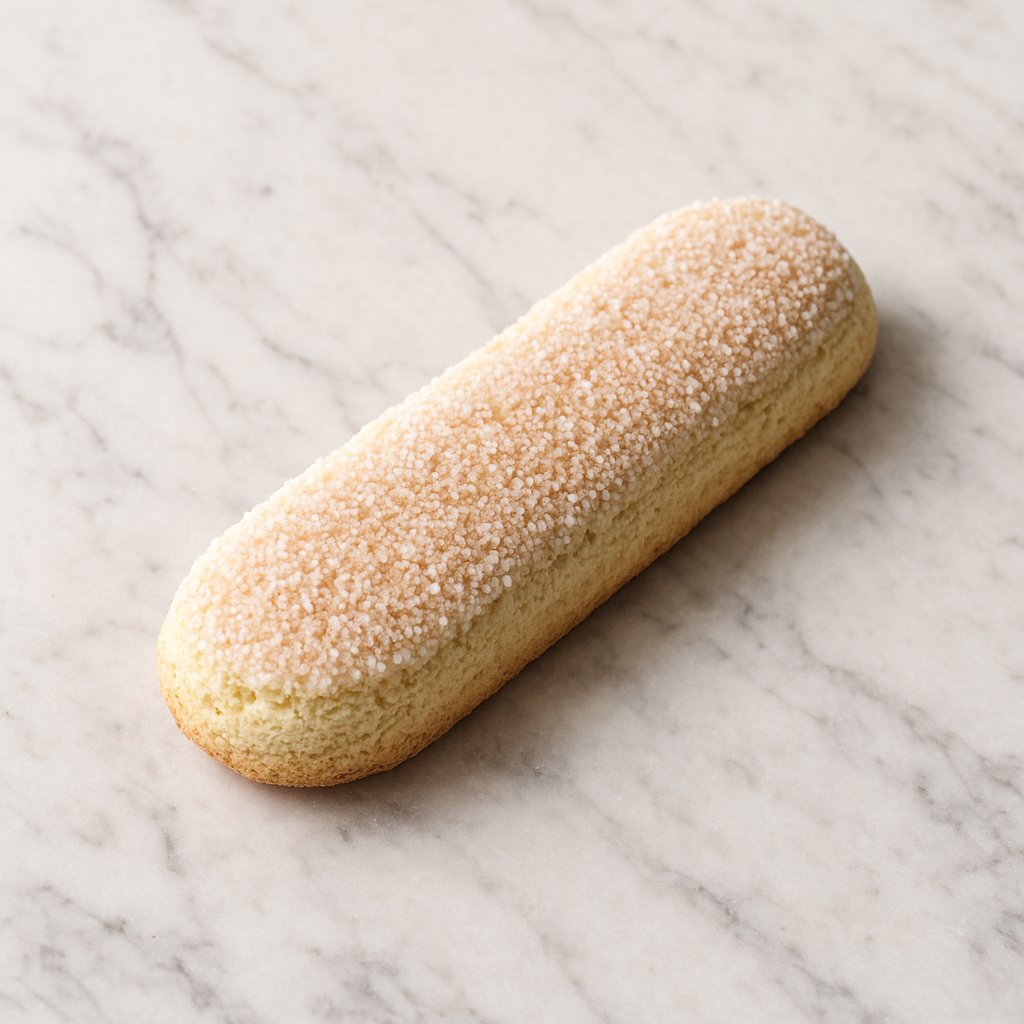
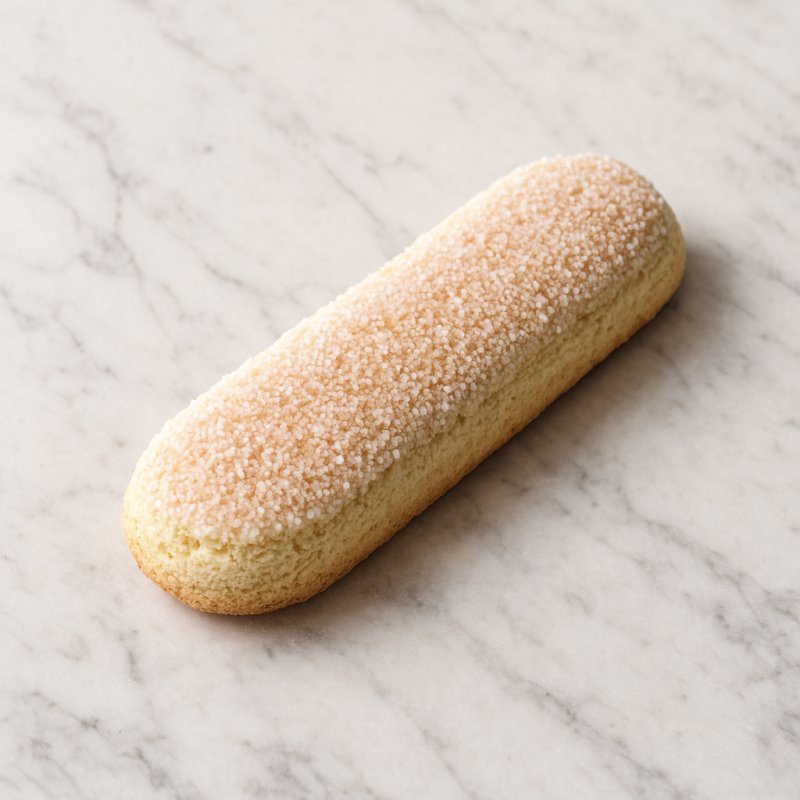
Ladyfingers are light, elongated biscuits often used in desserts like tiramisu. They are available in many supermarkets, bakeries and online shops. You will usually find them in the baking aisle or with the cookies, sometimes also in international or Italian sections, because the Savoiardi version is very popular in Italy. If you live in a larger city, they are usually easy to obtain; in rural areas they may be somewhat rarer, but supermarkets and the internet also help there.
Origin
Ladyfingers originally come from Italy and are called Savoiardi there. The name "Löffelbiskuit" comes from the spoon-like shape and the fact that people used to use a spoon to shape the batter. The recipe idea is simple: eggs, sugar and flour are processed into an airy batter and then baked. The result is a dry, slightly crisp biscuit that can become a bit soft inside when it absorbs liquid – exactly what makes it ideal for desserts.
Ladyfingers originally come from Italy and are called Savoiardi there. The name "Löffelbiskuit" comes from the spoon-like shape and the fact that people used to use a spoon to shape the batter. The recipe idea is simple: eggs, sugar and flour are processed into an airy batter and then baked. The result is a dry, slightly crisp biscuit that can become a bit soft inside when it absorbs liquid – exactly what makes it ideal for desserts.
Growing regions and ingredients
Ladyfingers themselves do not of course grow on trees. They are made from basic ingredients that come from different places:
Ladyfingers themselves do not of course grow on trees. They are made from basic ingredients that come from different places:
- Flour: Mostly wheat flour. Wheat is grown in many countries, for example Germany, France, the USA and Russia.
- Eggs: Come from chickens. Eggs are produced worldwide; quality and origin can vary by manufacturer.
- Sugar: Is obtained from sugar beets (in Europe) or sugar cane (commonly in tropical countries).
- Some brands add vanilla or lemon zest: These ingredients come from specific growing regions like Madagascar (vanilla) or lemon-growing areas.
Because ingredients can come from different countries, the exact origin varies by brand. The packaging usually states where the product was made and sometimes also where the ingredients came from.
Available varieties and options
Ladyfingers are available in several types so everyone can find something to their taste. Here are the most common variants:
Ladyfingers are available in several types so everyone can find something to their taste. Here are the most common variants:
- Classic ladyfingers/Savoiardi: The typical variant, lightly sweet and airy. Perfect for tiramisu.
- Wholegrain ladyfingers: Made from wholegrain flour; they are a bit darker and have more fiber. For people who prefer healthier options.
- Sugar-free or reduced-sugar versions: For people who want to eat less sugar. The taste may be slightly different, but the shape and properties remain similar.
- Gluten-free ladyfingers: For people with gluten intolerance. Instead of wheat flour, rice or corn flours are often used.
- Flavored variants: With vanilla, lemon or chocolate. These give the biscuit an extra taste, good when you want to vary the dessert.
- Smaller or thicker variants: Some brands offer smaller or thicker versions that better suit certain desserts or serve as a snack.
If you want to buy ladyfingers, you can check the packaging to see which variant it is – sometimes it also states if they are particularly crispy, extra airy or suited to special dietary needs. That way you can easily find the type that fits your recipe or taste.