Availability and types
Kinder Schokolade is a well-known sweet that can be bought in many countries. Although the name “Kinder” in German means “children,” the product is intended for all age groups. You can find it in supermarkets, small shops, petrol stations and often at tills in kiosks. It is usually placed in the confectionery aisle or with the chocolates. Some stores also display Kinder Schokolade in special shelves for brand products so it is easy to spot.
Origin
Kinder Schokolade originally comes from Europe. The brand belongs to a large chocolate manufacturer that produces its products in various countries. The main ingredients in the chocolate are cocoa, sugar, milk and sometimes hazelnuts. The cocoa — that which makes chocolate chocolatey — is not grown nearby. Cocoa grows in warm regions near the equator, for example in parts of Africa, South America and Asia. There the trees and the climate are just right.
Kinder Schokolade originally comes from Europe. The brand belongs to a large chocolate manufacturer that produces its products in various countries. The main ingredients in the chocolate are cocoa, sugar, milk and sometimes hazelnuts. The cocoa — that which makes chocolate chocolatey — is not grown nearby. Cocoa grows in warm regions near the equator, for example in parts of Africa, South America and Asia. There the trees and the climate are just right.
Cocoa growing regions
Cocoa beans often come from countries such as:
Cocoa beans often come from countries such as:
- West Africa (for example Côte d'Ivoire and Ghana) – these are large producers.
- Latin America (for example Ecuador and Brazil) – cocoa has been grown there for a long time.
- Asia (for example Indonesia) – a lot of cocoa is also cultivated here.
The farmers there harvest the cocoa beans, dry and process them before they are further processed in factories. You can imagine it like this: the farmers collect the beans like apples in a field, bring them to a factory, and from there they will eventually become the chocolate you buy.
Available varieties and variants
Kinder Schokolade comes in different shapes and flavors. Here are the most well-known variants so you can get an idea:
Kinder Schokolade comes in different shapes and flavors. Here are the most well-known variants so you can get an idea:
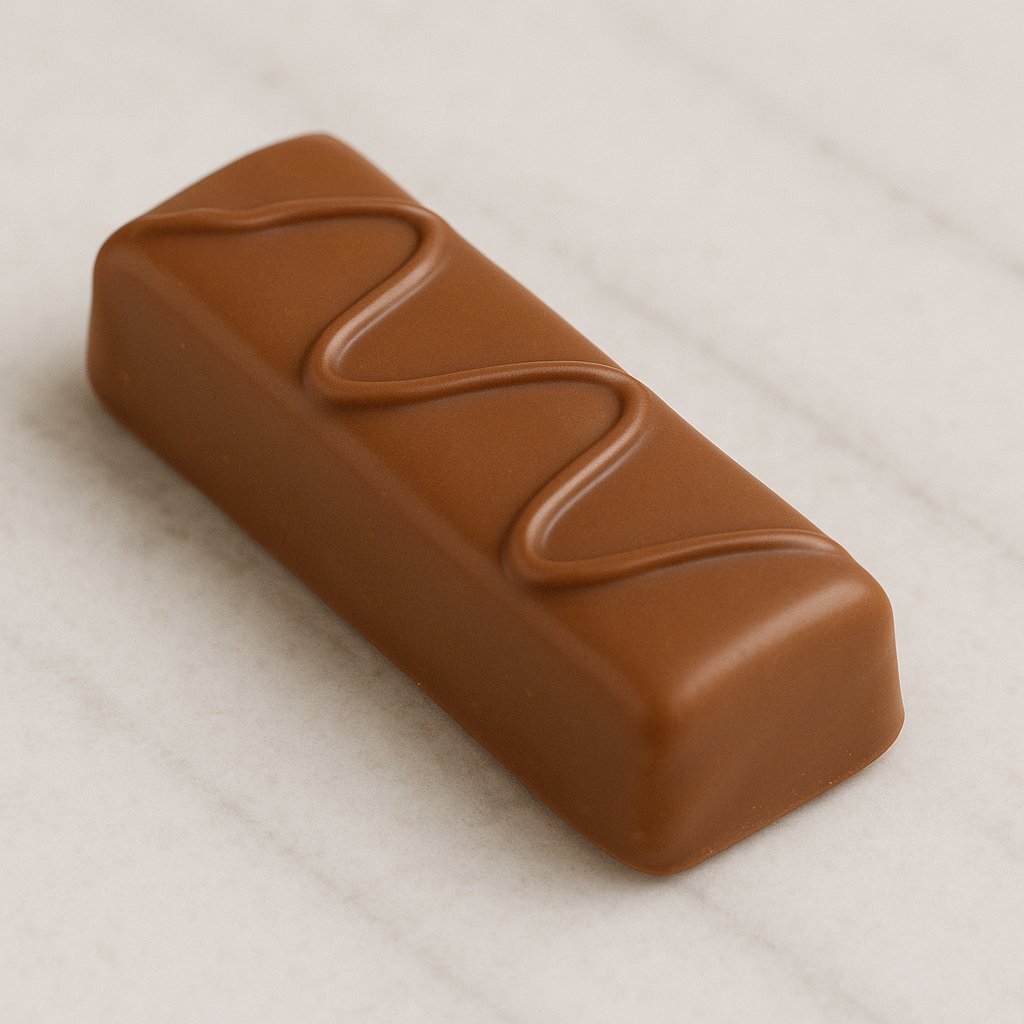
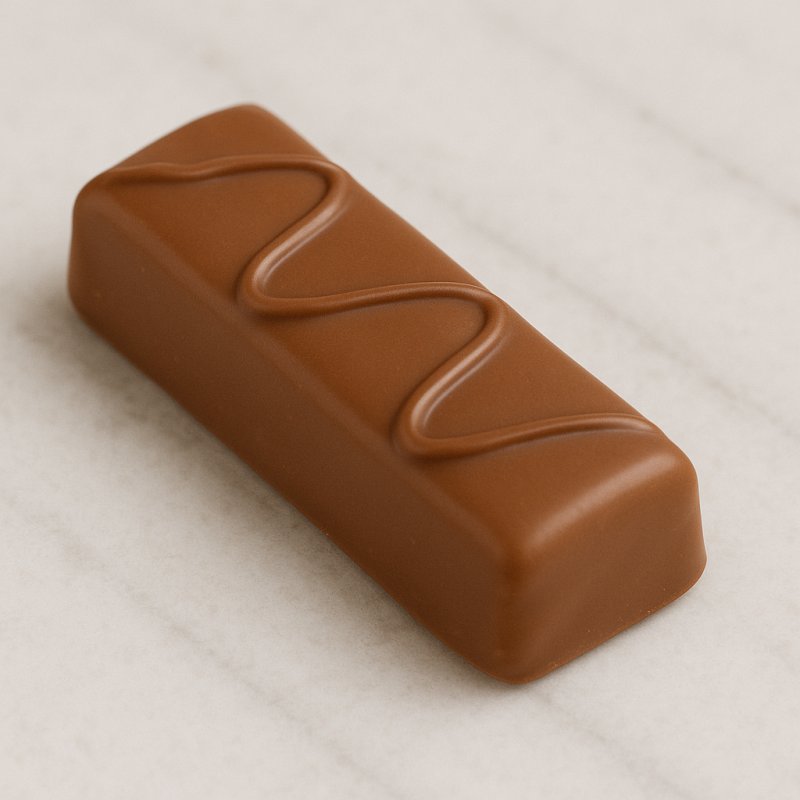
- Klassische Kinder Schokolade – these are small bars with a soft milk filling in a thin chocolate shell. Many like them because they are not too sweet and are soft.
- Kinder Bueno – this is a crunchy version with a creamy filling and often hazelnut flavor. It is somewhat crunchier than the classic variant.
- Kinder Riegel – longer bars that can be shared in two or more pieces; practical for sharing with friends.
- Kinder Überraschung – a chocolate egg variant that contains a small toy inside. This is not just about eating but also about the surprise.
- Kinder Maxi – larger portions, for example as a piece for on the go.
Some variants are designed especially for certain age groups or come in different package sizes, for example small portions for the lunchbox or larger family packs. Manufacturers also sometimes try new varieties with different fillings or shapes, similar to ice cream flavors that can vary by season.
Where to find it and what to look for
If you want to buy Kinder Schokolade, check the sweets shelf in the supermarket or ask at the till. There are often promotional offers, for example when multiple packs are cheaper. If you want to know exactly where the ingredients come from or whether the chocolate was produced sustainably, you can look for labels or information on the packaging. These labels often explain whether production considered the environment or fair pay for farmers — it's like a small hint that says, “Certain things were taken into account here.”
If you want to buy Kinder Schokolade, check the sweets shelf in the supermarket or ask at the till. There are often promotional offers, for example when multiple packs are cheaper. If you want to know exactly where the ingredients come from or whether the chocolate was produced sustainably, you can look for labels or information on the packaging. These labels often explain whether production considered the environment or fair pay for farmers — it's like a small hint that says, “Certain things were taken into account here.”
In summary: Kinder Schokolade is easy to find in many shops, the main ingredients come from warm countries like West Africa or South America, and there are many variants — from classic bars to surprise eggs — so there is something for everyone.