Menu & categories

Joghurette

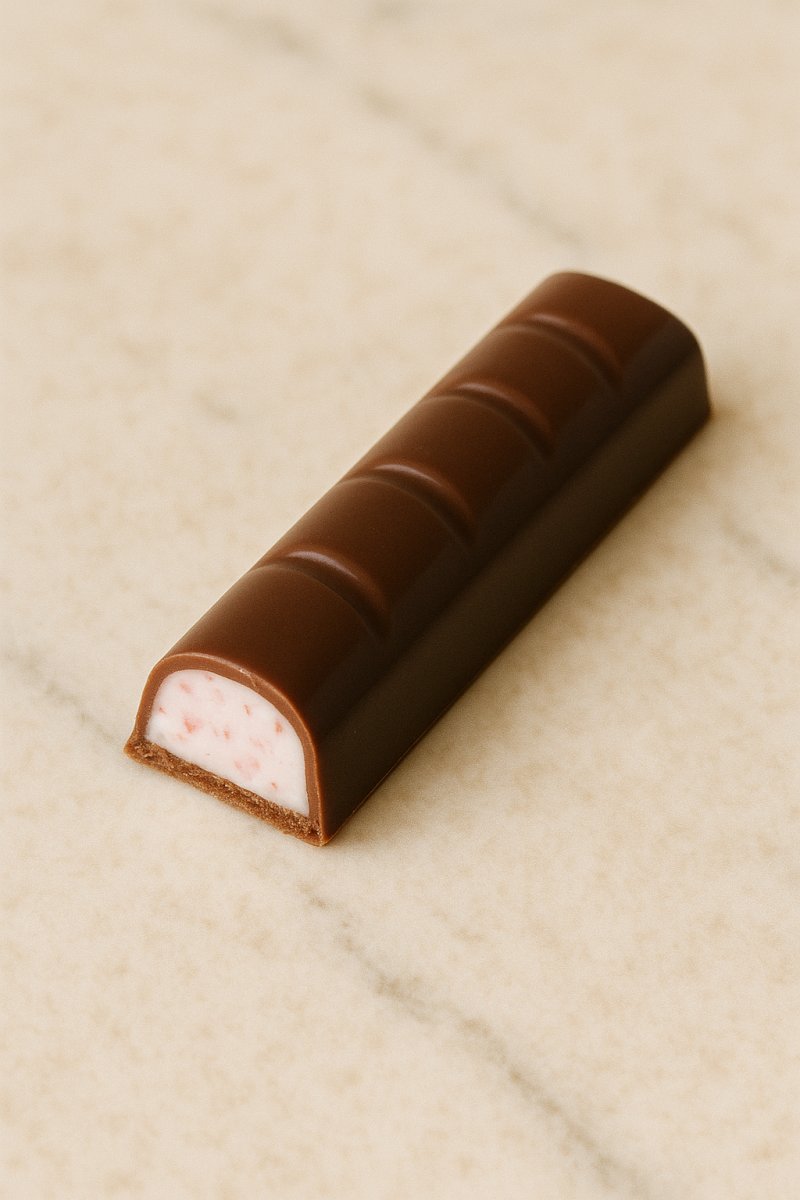
Yogurt chocolate bar with strawberry flavor

Wiki about Joghurette Nutri-Score E Vegan No Gluten-free No Lactose-free No Nut-free No
NUTRITION / 100 g
515 kcal 5.3 g Protein 56.0 g Kohlenhydrate 29.0 g Fett

Introduction

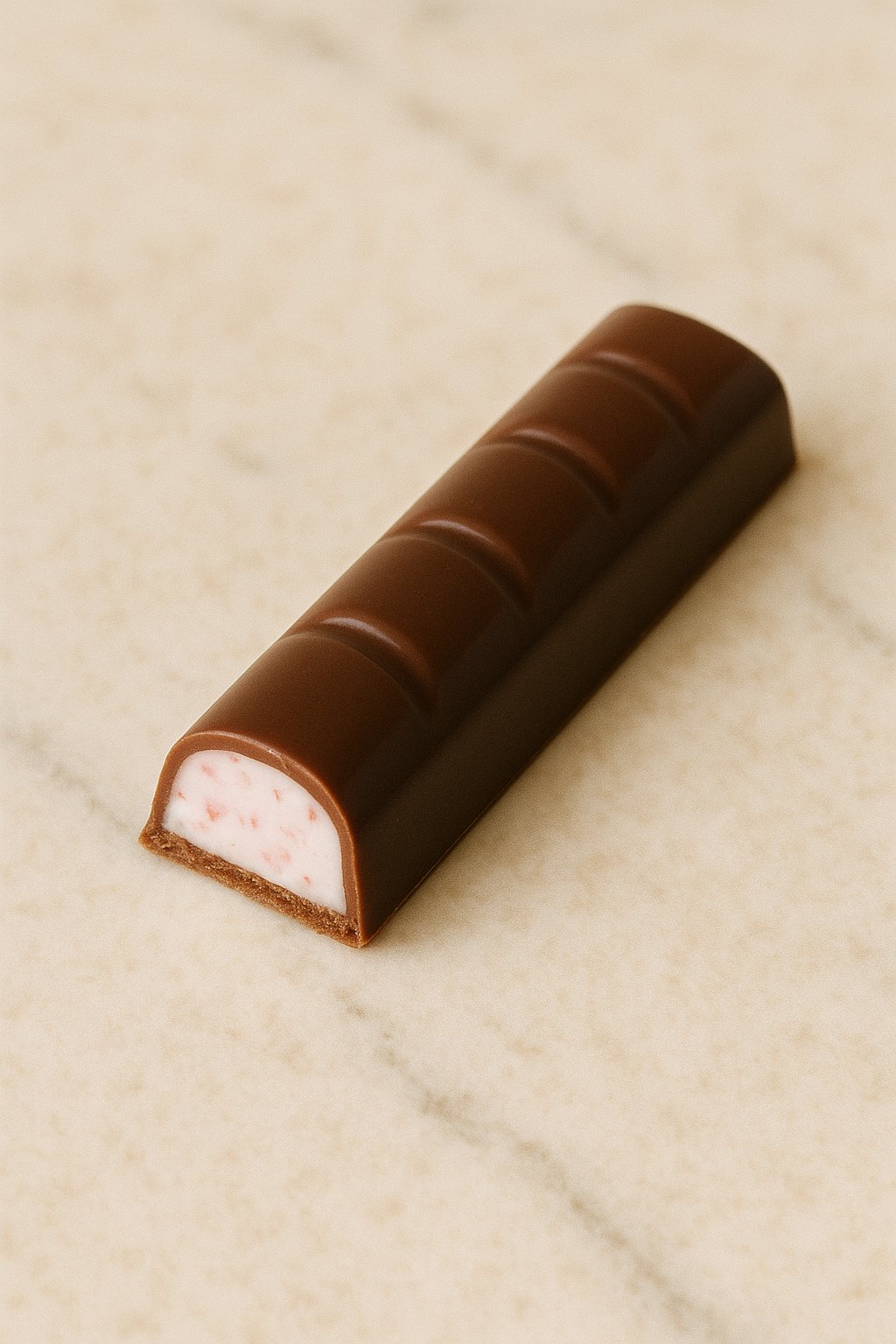
Joghurette bar with strawberry-yogurt filling and chocolate coating
I remember exactly the moment I first held a Joghurette in my hand: it was after a long day at the market, I was sitting on a park bench and looking for something that would make me happy instantly. The first bite was a small wonder of creamy yogurt center, wrapped in delicate milk chocolate and subtle fruit pieces. Since then Joghurette has been more than just a confection for me; it's a quick mood lifter, a nostalgic moment and sometimes even an unexpected companion in recipe experiments.

What I particularly appreciate about Joghurette is the combination of a slightly tangy yogurt cream and sweet chocolate, which together form a remarkable balance. Texture plays a big role: outside the fine chocolate layer, inside the velvety filling that, when melting, leaves an almost creamy mouthfeel. In my kitchen I've tried yogurt glazes for small cakes with it and created surprisingly good dessert variations.

A colleague once brought a pack to the office after trying a recipe with strawberries; suddenly the short tea break turned into a spontaneous tasting session. We discussed at length how the fruit notes, sometimes incorporated, highlight the lightness of the yogurt filling. Moments like these show that Joghurette is not just a snack, but can also provide conversation material.

  • Taste: fresh-yogurty with a sweet chocolate coating.
  • Texture: creamy inside, gently melting outside.
  • Use: enjoy plain, as a dessert topping or as a creative baking ingredient.
For me Joghurette remains a symbol of small joys: uncomplicated, comforting and sometimes exactly what you need after a long day. I like that it does not pretend to be anything other than an enjoyable, accessible snack. Next time I pass a park bench, I'll probably stop, share a bar and remember that first taste — because good food tells stories, and Joghurette has its own charming short story.

Availability & types

Availability and types

What is Joghurette?
Joghurette is a chocolate bar that is very well known in Germany. It consists of a soft, fruity-yogurt-like filling and is coated on the outside with chocolate. You can think of it like a small cake with chocolate glaze, just much more compact and intended as a sweet snack. Although the name evokes yogurt, it is a packaged chocolate product that contains milk components and fruit flavors.

Where does Joghurette come from?
Joghurette is produced by Ferrero, a well-known confectionery company from Europe. The bars are manufactured in factories where ingredients such as sugar, milk powder, fats, fruit preparations and chocolate are processed into the finished bars. These factories are mostly located in Europe, which is why Joghurette bars are easy to find in German and European supermarkets.

Where can you buy Joghurette?
Joghurette is available in many shops:

  • Large supermarkets and discount stores
  • Petrol stations and kiosks
  • Online shops and internet retailers
  • Sometimes also in confectionery or delicatessen shops
Certain varieties are sometimes seasonal or available only in certain countries, but the classic variant can be found almost everywhere sweets are sold.
What flavours and variants are there?
There are several variants of Joghurette that differ in flavor or composition. The main types are:
  • Classic strawberry-yogurt variant: this is the best-known variety. The filling tastes of strawberry and yogurt, and the outside can be dark or light chocolate.
  • Raspberry or other fruits: sometimes there are varieties with raspberry or other fruit flavors. These taste somewhat tarter or fruitier depending on the fruit.
  • Mini or family packs: the same filling but different sizes — smaller bars for snacking or larger packs for home.
  • Special editions: the company occasionally releases special editions, for example with different types of chocolate or additional ingredients like nuts. These are often limited in time.
These variants are like different ice cream flavors: the basic idea remains the same (yogurt-fruit filling with chocolate), but the exact flavor direction or size can vary.
Why are there different varieties?
Manufacturers try out different flavours and packaging so there's something for every taste. Some people prefer strawberry, others want to try something new. Also, special varieties are sometimes sold only briefly to generate interest — similar to special seasonal ice cream flavors.
Summary
Joghurette is a popular chocolate bar with a fruity-yogurt-like filling, made by Ferrero and mainly available in Europe. There are several variants such as the classic strawberry edition, fruitier varieties, different pack sizes and occasional special editions. You can find Joghurette in supermarkets, kiosks and online shops; and if you like treats, you can often choose between different flavors, just like with other sweets.
Details & nutrition

Property Value
Unit g
Average weight per piece 12.5
Calories per 100 515
Protein per 100 5.3
Carbohydrates per 100 56.0
Sugar per 100 55.0
Fat per 100 29.0
Saturated fat per 100 19.0
Monounsaturated fat 8.0
Polyunsaturated fat 2.0
Fiber per 100 1.5
Vitamin C (mg) per 100 0
Vitamin D (IU) per 100 0
Calcium (mg) per 100 150
Iron (mg) per 100 1.5
Nutri-Score E
CO₂ footprint 4.5
Origin Made in the EU
Gluten-free No
Lactose-free No
Nut-free No
Vegan No
Note Average values for yogurt chocolate bars with strawberry filling; exact nutritional values may vary slightly depending on the manufacturer.

Technical & scientific information

Joghurette originally refers to a brand name for a filled chocolate product from a German confectionery manufacturer; in common usage, however, the term is often also used to describe a product category consisting of a fruit-yogurt-like filling and a chocolate coating. As an ingredient, “Joghurette” is not a single pure chemical element but a composite food product whose properties arise from the raw materials used and the specific manufacturing method.

Composition and ingredients
The typical composition of a Joghurette-like product includes several components:

  • Milk components: yogurt or yogurt concentrate, whey powder or milk powder supply proteins (predominantly casein and whey proteins), lactose and minerals such as calcium. These components determine the texture, protein content and pH value of the filling.
  • Fruit preparation: fruit purée, fruit juice concentrates, sugar and, if applicable, pectin or other gelling agents produce the fruity aroma and the desired viscosity. Fruit acids (e.g. citric acid) regulate acidity and partially preserve the product.
  • Fat and sugar components: sucrose, glucose syrup and vegetable fats are present in the filling and in the chocolate. The chocolate coating consists of cocoa mass, cocoa butter, sugar and milk components; it provides saturated and unsaturated fatty acids as well as volatile flavor compounds.
  • Stabilizers and emulsifiers: mono- and diglycerides of fatty acids, lecithin (often soy lecithin) and gelling or thickening agents (e.g. pectin, gelatin, modified starch) stabilize the emulsion, prevent phase separation and influence mouthfeel and cutting firmness.
  • Additives and flavors: natural or artificial flavorings (e.g. vanillin), acidity regulators and preservatives can be used to shape the flavor profile and improve shelf life.
Nutritional values
The nutritional composition varies according to the recipe; typically such a product has a high proportion of available carbohydrates (sugars) and a moderate fat content from chocolate and milk fats. Protein content is present due to milk components but reduced compared to pure dairy products. Typical macronutrient proportions per 100 g can be roughly 40–60 g carbohydrates, 20–35 g fat and 3–8 g protein; the energy value is accordingly in the range of about 400–550 kcal per 100 g.

Processing methods
Industrial production is divided into several steps:

  • Filling preparation: milk components are mixed with sugar, fruit components and stabilizers, homogenized, pasteurized and, if appropriate, fermented or acidified to achieve the desired acidity and texture.
  • Tempering and texturizing: temperature control is crucial for viscosity and stability; cooling and mechanical processing (stirring, homogenizing) are used to set the final consistency.
  • Coating with chocolate: the finished filling is placed into molds or onto a conveyor belt and coated with tempered chocolate. Tempered chocolate ensures shine, fracture resistance and a defined crystal structure of the cocoa butter (form V).
  • Cooling and packaging: after hardening, cooling and packing are carried out under protective atmosphere to minimize moisture uptake and microbial growth.
Health aspects
From a nutritional perspective, Joghurette-like products are indulgent foods with high sugar and calorie content. They provide energy, some proteins and minerals from milk, but also contain saturated fatty acids from cocoa butter and added fats. Because of the sugar content they are only recommended in limited amounts for people with overweight, diabetes or a risk of tooth decay. For people with milk allergy or lactose intolerance such products are unsuitable due to the milk components; additionally soy lecithin or other allergens may be present.

Sensory properties and stability
The sensory properties – taste, texture, melting behavior – depend on the composition and the crystal structure of the chocolate as well as on water activity and emulsion stability of the filling. Unfavorable moisture conditions can cause softening or sugar bloom; microbiological stability is supported by sugar activity, acidity and processing temperatures, with pasteurization and hygienic packaging being decisive.

Overall, “Joghurette” is a composite confectionery product whose technological and nutritional character is determined by the combination of dairy and fruit components with a chocolate coating. Quality depends on raw material selection, formulation and temperature control, while health assessments must consider the energy-dense and sugary nature of the product.

Wiki entry for: Joghurette
Active now: 17 visitors of which 2 logged-in members in the last 5 minutes