Availability and types
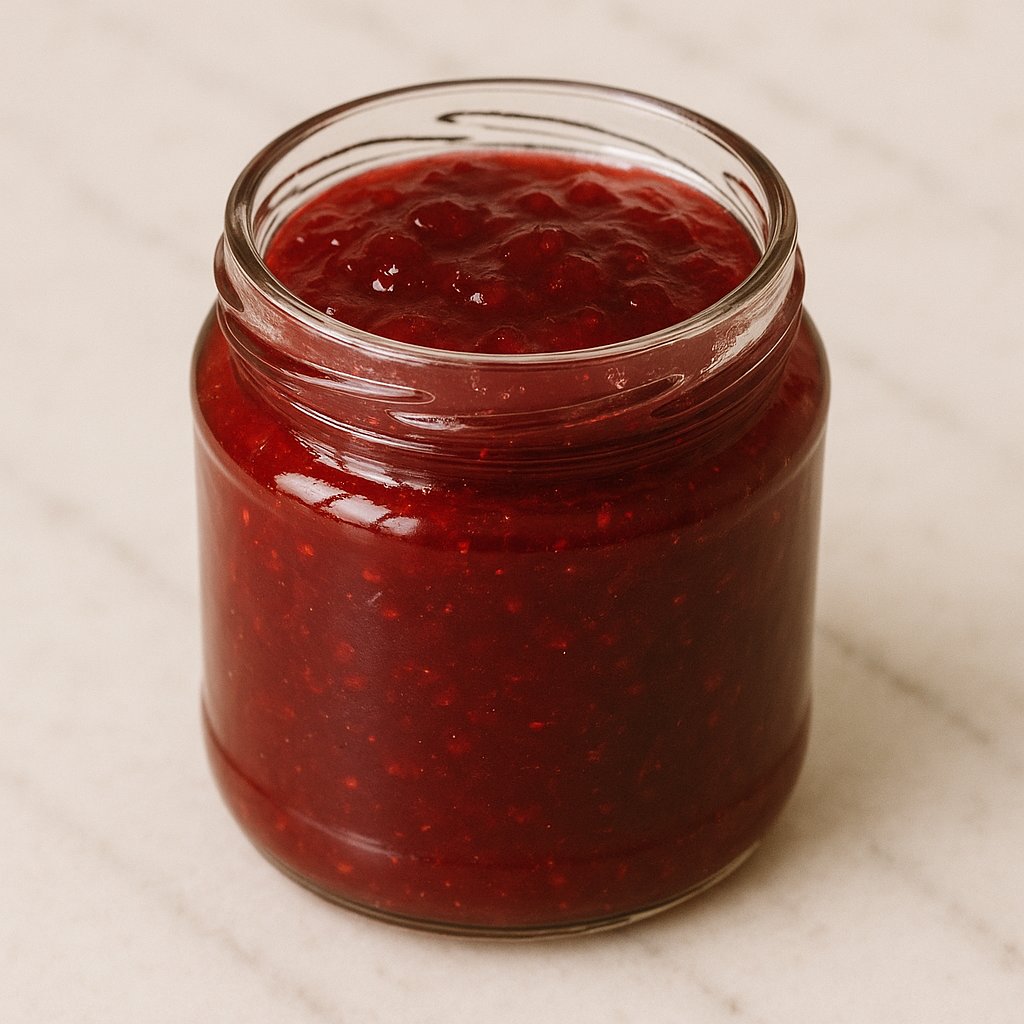
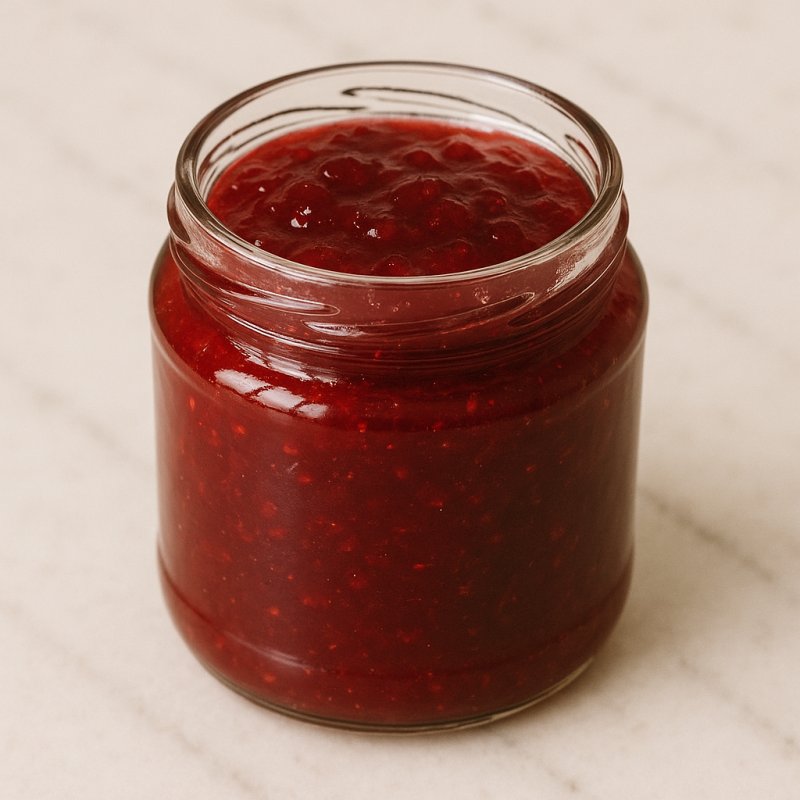
Jam is available almost everywhere and is, in many countries, a staple ingredient at breakfast. You can find it in supermarkets, organic shops, at weekly markets or at local farms. Sometimes it is also sold at festivals or in small artisanal workshops, where people still make fruit spreads themselves. Because jam does not spoil quickly — it is preserved by sugar — it usually stays on shelves for a long time and is available to buy at any time.
Origin and growing regions
Jam is made from fruit. These fruits come from many different regions of the world, depending on which fruit is used:
Jam is made from fruit. These fruits come from many different regions of the world, depending on which fruit is used:
- Berries such as strawberries, raspberries or blueberries often grow in temperate climates. In Europe countries like Spain, France, Germany and Poland are important producers.
- Citrus fruits such as oranges or lemons often come from warmer regions, for example Spain, Italy, Morocco or Turkey.
- Stone fruits such as peaches, apricots or cherries also grow in many parts of Europe as well as in North America and Asia.
- Exotic fruits such as mangoes or pineapples usually come from tropical countries, for example from Southeast Asia, South America or Africa.
Some producers use fruit from their own region, others import fruit from more distant countries. The jar label often states where the fruit comes from. This is useful if you want to know whether the fruit comes from nearby or far away.
Available varieties and variants
There are many different kinds of jam. The selection in a shop can be large, because each fruit tastes different. Here are some common varieties and variants, briefly explained:
There are many different kinds of jam. The selection in a shop can be large, because each fruit tastes different. Here are some common varieties and variants, briefly explained:
- Strawberry jam – very popular, sweet and fruity. Many children like it because it often tastes mild.
- Raspberry jam – somewhat more intense in flavor, with fine seeds you can feel.
- Apricot and peach jam – tastes juicy and sunny, reminiscent of summer.
- Orange or lemon marmalade – people often refer to these as marmalade (often used for citrus fruits). They taste rather tart and fresh.
- Mixed fruit jams – a blend of two or more fruits, for example strawberry-rhubarb or mixed berries.
- Jelly – made from the fruit juice, usually clear and without fruit pieces.
- Lower-sugar spreads – for people who want to eat less sweet. These varieties often contain less sugar or use other sweeteners.
- No-added-sugar spreads – here only the natural fruit sugar is used or another substitute. They can be less sweet and exhibit different viscous behavior.
- Organic jam – the fruit comes from certified cultivation without synthetic pesticides. It is often more expensive, but popular with people who care about the environment and health.
- Handmade/regional specialties – small producers often make special varieties with unusual combinations like pear-rosemary or fig-walnut.
When choosing a jam, it is worth looking at the label: it states which fruits were used and how much fruit content is in the jar. A jar with a high fruit content usually tastes more intense, almost like the fresh fruit. This way you can easily find out which variant you or your family prefer.