Availability and types
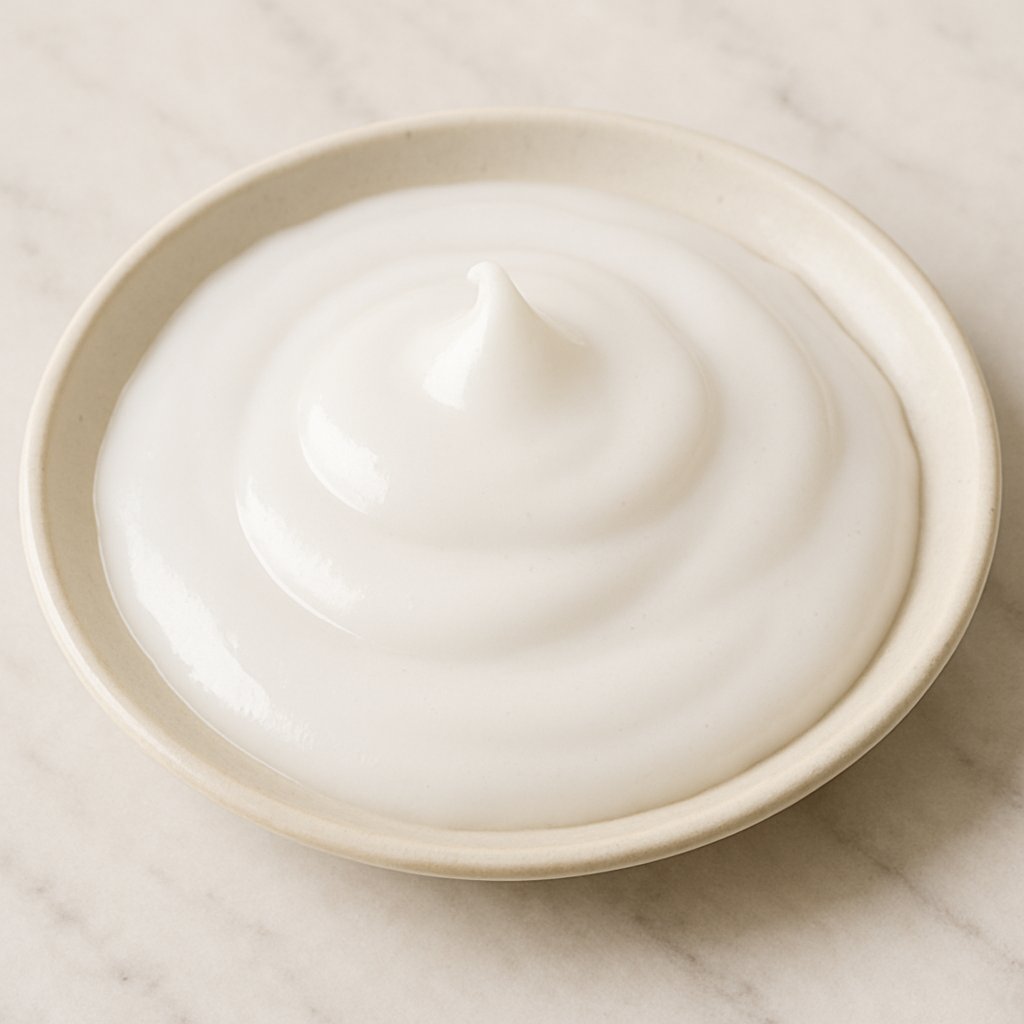
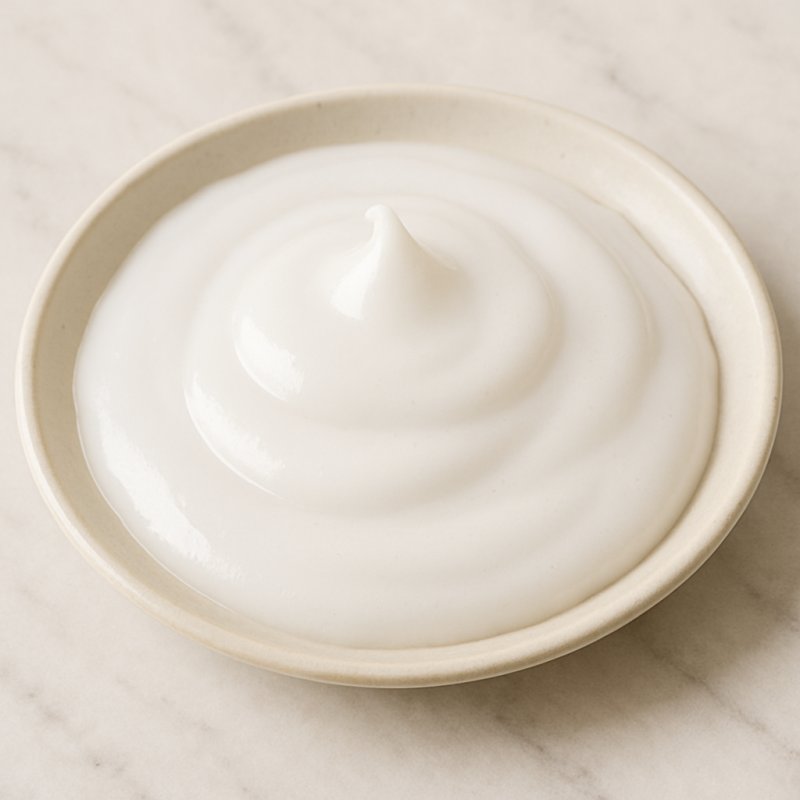
Icing is a sweet mixture used to decorate cakes, cookies or tarts. It is available almost everywhere: in the supermarket, at the baker's or online. You can buy it ready-made or prepare it yourself. Ready-made icing often comes in tubes, bags or small jars and is practical when you need to be quick. Homemade icing usually consists of powdered sugar and a little liquid such as water, lemon juice or milk.
Origin
The main ingredient of icing is sugar, more precisely powdered sugar. Powdered sugar is made from ordinary sugar that is ground very finely so that it looks like dust. Sugar itself usually comes from two plants: sugar beets and sugar cane. Sugar beets grow well in cooler regions such as Europe, North America and parts of Asia. Sugar cane grows in warm, tropical areas such as South America, Southeast Asia and parts of Africa. Where the sugar comes from can vary depending on the product, but for our icing the end result – fine, white powdered sugar – is usually the same.
The main ingredient of icing is sugar, more precisely powdered sugar. Powdered sugar is made from ordinary sugar that is ground very finely so that it looks like dust. Sugar itself usually comes from two plants: sugar beets and sugar cane. Sugar beets grow well in cooler regions such as Europe, North America and parts of Asia. Sugar cane grows in warm, tropical areas such as South America, Southeast Asia and parts of Africa. Where the sugar comes from can vary depending on the product, but for our icing the end result – fine, white powdered sugar – is usually the same.
Growing areas
- Sugar beets: mainly in countries such as Germany, France, the USA and Russia. They look like large, rounded roots that grow underground.
- Sugar cane: grows like tall grass in warm countries, for example Brazil, India, Thailand and many African countries.
Both plants are harvested and processed to produce raw sugar, which is later ground into powdered sugar. For someone who bakes, it is usually not important whether the sugar originally came from beets or cane.
- Sugar beets: mainly in countries such as Germany, France, the USA and Russia. They look like large, rounded roots that grow underground.
- Sugar cane: grows like tall grass in warm countries, for example Brazil, India, Thailand and many African countries.
Both plants are harvested and processed to produce raw sugar, which is later ground into powdered sugar. For someone who bakes, it is usually not important whether the sugar originally came from beets or cane.
Available types and variants
Icing comes in many different forms and colours. Here are the main ones:
Icing comes in many different forms and colours. Here are the main ones:
- Powdered sugar glaze (icing): The simplest glaze. You mix powdered sugar with a little water, lemon juice or milk until it is liquid but not too thin. It hardens and becomes glossy. Good for muffins or cookies.
- Royal Icing: A very firm icing, often made from powdered sugar, egg white (or egg white substitute) and a little lemon juice. It dries hard and is ideal for delicate decorations such as gingerbread houses or detailed cookies.
- Fondant: A pliable, rollable mass made from sugar, water and sometimes gelatin or fat. It is rolled out and laid over cakes to give a smooth surface. Ready-made fondant is available in many colours.
- Buttercream-like icings: These also contain butter or margarine. They are creamy and remain soft, ideal for spreading on cakes. They are less hard than Royal Icing.
- Chocolate glaze: Chocolate is melted with some cream or butter and used as a glaze. It is not overly sweet and pairs well with certain cakes.
- Ready tubes and sprays: For quick decoration there are coloured tubes, spray cans or even liquid icing in bottles – practical for children or quick decorations.
Simple comparison
Imagine icing is like clothing for a cake: some icings are like a thin jacket (powdered sugar glaze), others like a hard armour (Royal Icing) and others like a soft coat (buttercream or fondant). Depending on how you want your cake to look or hold up, you choose the appropriate 'clothing'.
Imagine icing is like clothing for a cake: some icings are like a thin jacket (powdered sugar glaze), others like a hard armour (Royal Icing) and others like a soft coat (buttercream or fondant). Depending on how you want your cake to look or hold up, you choose the appropriate 'clothing'.
In summary: icing is easy to find and comes in many variants – from quick and simple to very fine and elaborate. Whether you buy it or make it yourself depends on how much time you have and how you want your cake to look in the end.