Availability and types
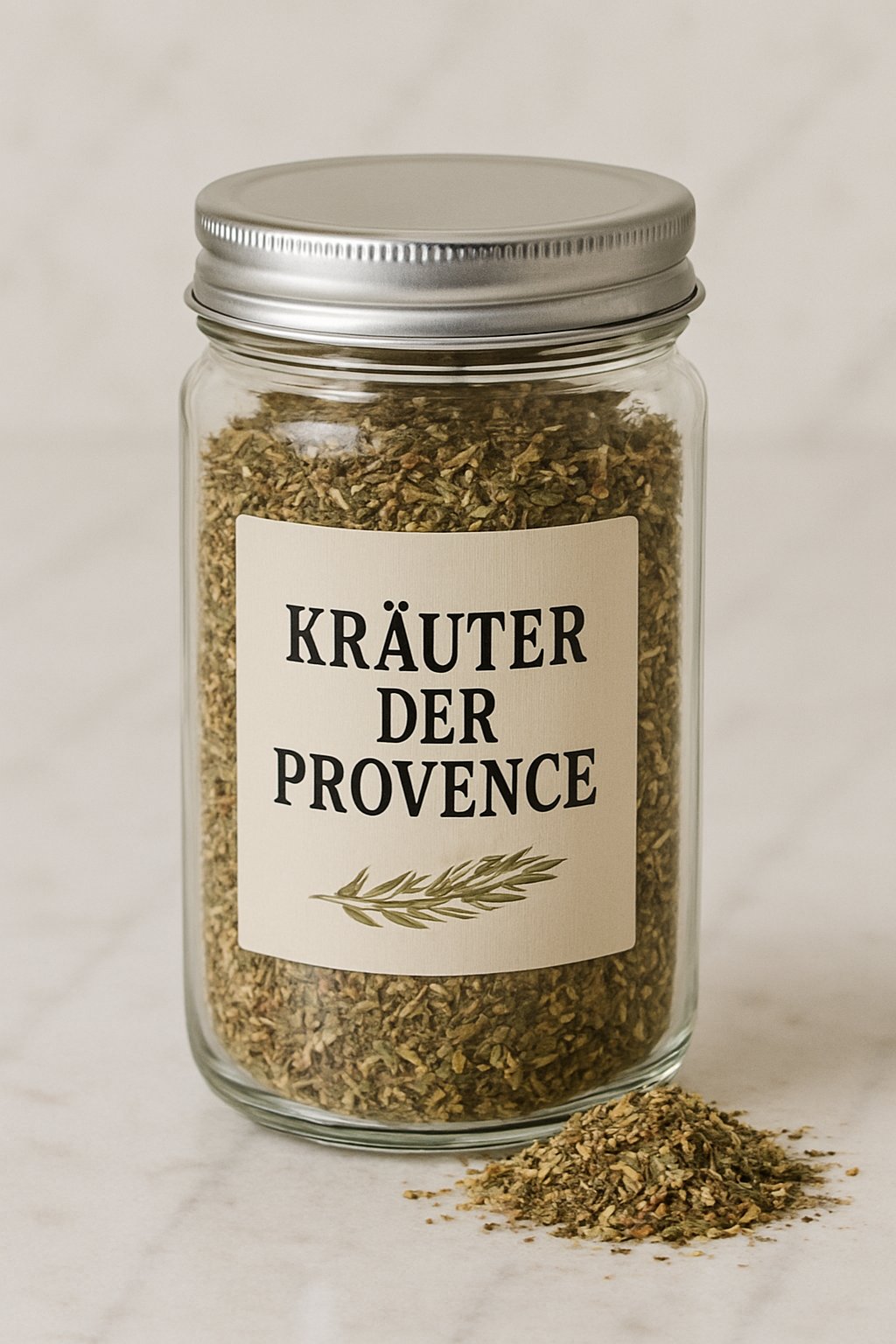
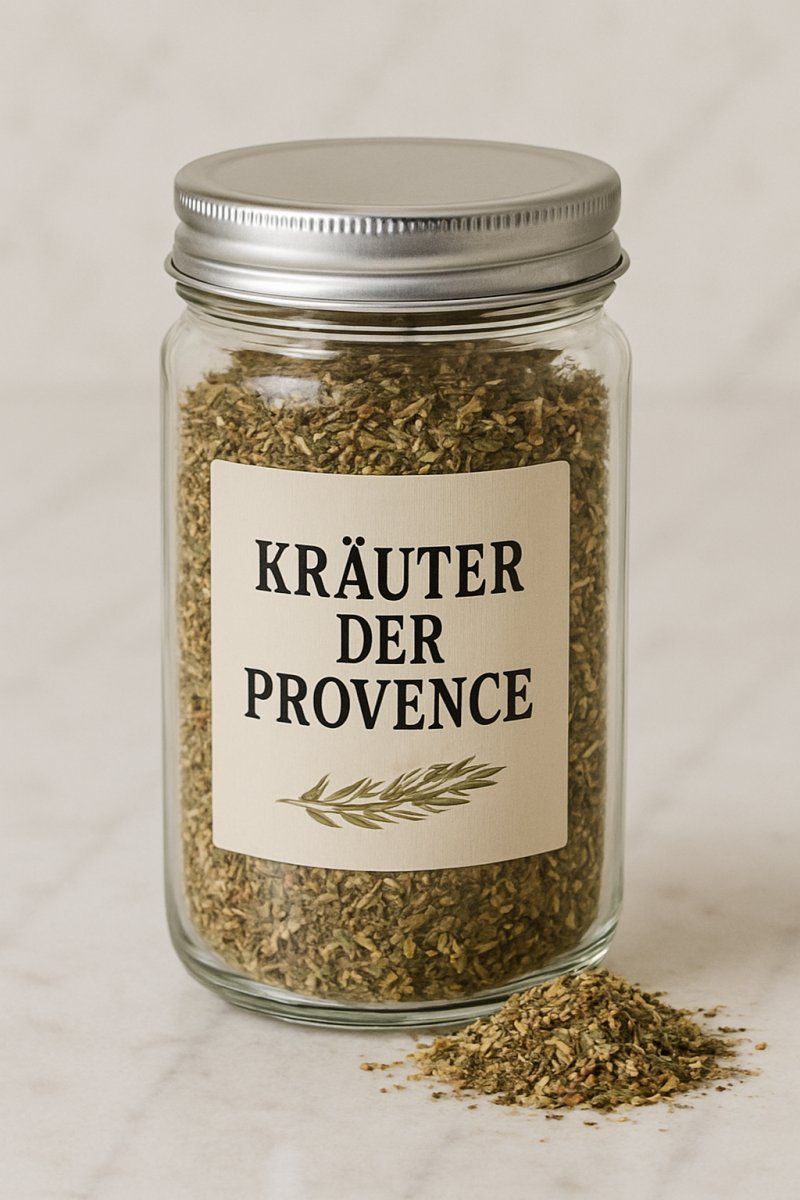
Herbes de Provence are a spice blend found in many supermarkets, natural food shops and farmers' markets. Sometimes it is also labeled on packages as "Herbes de Provence." This blend is popular because it pairs well with many dishes — for example grilled vegetables, bread, stews or fish. You can buy it ready-mixed or purchase the individual herbs separately and mix them yourself.
Where do they come from?
Originally these herbs come from the south of France, from a region called Provence. Many of these plants grow there in the wild because the climate is warm and dry — similar to a sunny summer that many of us enjoy. That is ideal for herbs because they need a lot of sun and not too much water.
Originally these herbs come from the south of France, from a region called Provence. Many of these plants grow there in the wild because the climate is warm and dry — similar to a sunny summer that many of us enjoy. That is ideal for herbs because they need a lot of sun and not too much water.
Growing regions
Herbes de Provence are not only grown in France. Today they also come from:
Herbes de Provence are not only grown in France. Today they also come from:
- France: Especially in Provence itself, where the tradition originates.
- Spain: Many herbs also grow well there due to the warm climate.
- Italy and Greece: These countries have similar conditions and also supply herbs.
- Germany and other countries: Here herbs are often grown in fields or greenhouses, particularly in organic farms or hobby gardens.
Which varieties and variants exist?
The blend can vary depending on who produces it or where you buy it. The most common herbs often included in herbes de Provence are:
The blend can vary depending on who produces it or where you buy it. The most common herbs often included in herbes de Provence are:
- Thyme: A small leaf with a strong aroma, often used in cooking.
- Rosemary: Has needle-like leaves and smells fresh, almost like a walk in the woods.
- Basil: Mild and slightly sweet, reminiscent of tomatoes and pizza.
- Oregano: Piquant and somewhat sharp — very popular with tomato dishes.
- Savory (summer savory): A savory herb that is often included in the blend.
- Lavender (sometimes): Not always included, but sometimes a small proportion of lavender flowers is added. This gives a floral scent — some like it, others do not.
There are also different types of blends:
- Standard blend: Most manufacturers add only the typical herbs such as thyme, rosemary and oregano.
- With lavender: This variant additionally contains lavender flowers and smells more floral.
- Organic blend: From organic farming without synthetic chemicals.
- Fresh vs. dried: Fresh herbs have a strong aroma and flavor but remain fresh only briefly. Dried herbs are more shelf-stable and are often available as a spice mix in jars or bags.
How to choose?
When you buy herbes de Provence, check the ingredient list if you wish. For a milder taste choose a blend without lavender. For a more intense aroma pick a blend with fresh herbs or an organic variant. And if you want to mix yourself, you can simply take a little of each herb until it tastes right to you — like painting with several colors.
When you buy herbes de Provence, check the ingredient list if you wish. For a milder taste choose a blend without lavender. For a more intense aroma pick a blend with fresh herbs or an organic variant. And if you want to mix yourself, you can simply take a little of each herb until it tastes right to you — like painting with several colors.
In short, herbes de Provence are widely available and come in many variants — from classic to floral, from fresh to dried. That way everyone can find the blend they like best.