Menu & categories

Herbed quark

Creamy quark with fresh herbs, a protein-rich spread for bread or as a dip

Wiki about herbed quark Nutri-Score B Vegan No Gluten-free Yes Lactose-free No Nut-free Yes
NUTRITION / 100 g
120 kcal 10 g Protein 3 g Kohlenhydrate 7 g Fett

Introduction

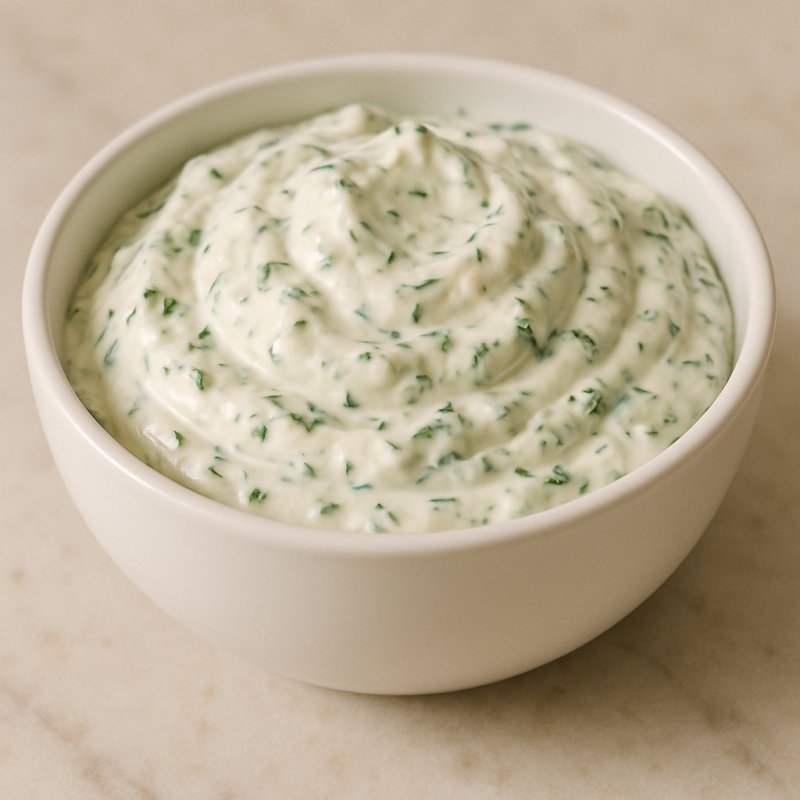
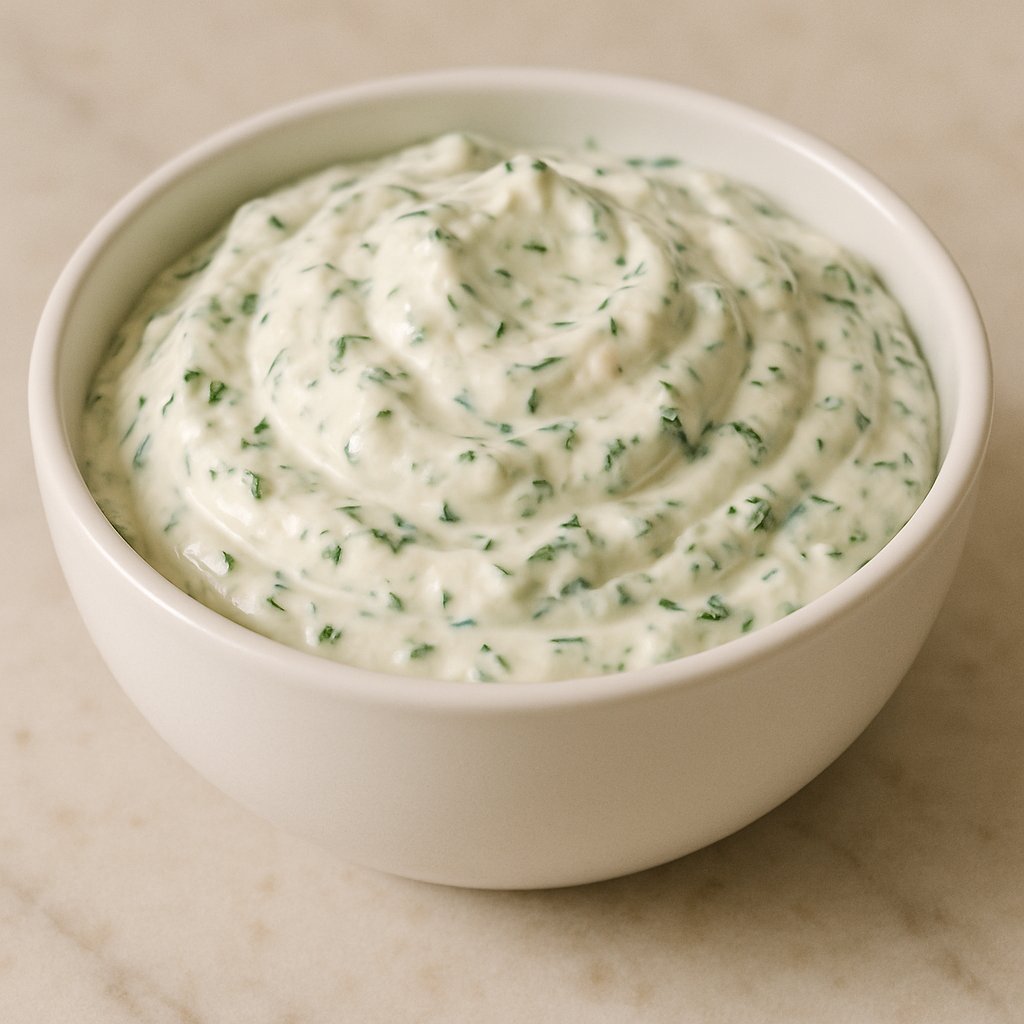
Bowl of creamy herb quark with fresh herbs
I still remember well the first spring I consciously celebrated with herb quark: a picnic in the park, a blanket, a basket full of radishes and that creamy herb dip that gathered everyone around. For me herb quark is something like a culinary Swiss Army knife — uncomplicated, versatile and always capable of elevating a simple dish.

What I love about herb quark is its honest simplicity. Basically you need quark, some cream or milk to loosen it, salt, pepper and a handful of fresh herbs. But those few ingredients turn with a few gestures into something that tastes of summer, coziness and good company. A colleague of mine swears by serving it with potatoes; a friend spreads it on bread. I've already had it with grilled vegetables, on flammkuchen and as a dip for crunchy vegetables.

The choice of herbs defines the character. Chives give the classic oniony note, parsley provides freshness, dill is slightly sweet and a bit of tarragon brings a fine anise note. I like to mix several herbs and sprinkle a few flowers or tender arugula leaves on top at the end — not because it's necessary, but because it looks good and teases the senses.

Another appeal lies in the possibilities for variation:

  • Light and fresh: with yogurt instead of cream and lots of lemon zest.
  • Hearty: with garlic, peperoncino or smoked paprika.
  • Creative: with feta or goat cheese for a salty depth.
For me herb quark is more than just a spread: it is a memento of sunny afternoons, of spontaneous guests and of the small pleasures of everyday life. When I put a bowl of it on the table, I often hear the same thing: "You have to tell me how you make that." And I do — with a wink and the firm intention to harvest even more fresh herbs from the garden next time.

Availability & types

Availability and types of herb quark

Herb quark is a popular fresh ingredient that you can find in many supermarkets, farmers' markets or even the local corner shop. It consists of quark (a dairy product, similar to thick yogurt or fresh cheese) and various fresh or dried herbs. You can buy it ready-made or prepare it easily at home — that makes it very flexible and widely available.

Origin
Quark as a base comes from Europe and has long been produced in countries like Germany, Austria and Switzerland. The idea of mixing quark with herbs is also European and very old: in the past people used herbs to improve flavor and to help preserve foods. Today herb quark is a modern classic that goes well with potatoes, vegetables and bread.

Growing regions
The herbs that end up in herb quark often come from different regions. Common herbs include:

  • Chives – grow well in many gardens and on balconies; they have thin green tubes and a mild onion flavor.
  • Parsley – widely grown in Europe and has a fresh, slightly peppery taste.
  • Basil – more common in warmer regions, but also popular as a potted plant in Central Europe; tastes aromatic and somewhat sweet.
  • Dill – has fine, feathery leaves and is often used in Northern and Eastern Europe.
  • Herb blends – many herbs are also grown in mixtures, often locally and seasonally.
Sometimes the herbs are locally grown, often from organic farms or regional greenhouses. In large supermarkets you can also find herbs imported from warmer countries, especially out of the local growing season. A simple comparison: herbs are like small plants that grow in different places — some like it warm, others prefer cool conditions.

Available varieties and versions
Herb quark comes in many variants so everyone can find something to their taste. The main types are:

  • Classic herb quark – with chives and parsley, mild and very versatile.
  • Garlic herb quark – with a bit of garlic for more bite; good with bread or grilled vegetables.
  • Spring herb quark – contains young herbs like chives, parsley and possibly cress; fresh and light.
  • Exotic variants – with herbs like basil or mint, often combined with lemon for a summery flavor.
  • Light or reduced‑fat versions – for people watching fat intake; taste similar but are slightly less creamy.
  • Vegan alternatives – plant‑based (e.g. soy or oat) with herbs; they often look and taste similar to traditional herb quark.
Some manufacturers also offer small packets of spice or herb mixes to add to plain quark at home. That's handy when fresh herbs are not available. Overall herb quark is very accessible: it is available in many flavors and easy to vary depending on which herbs you like or have on hand.
Details & nutrition

Property Value
Unit g
Calories per 100 120
Protein per 100 10
Carbohydrates per 100 3
Sugar per 100 3
Fat per 100 7
Saturated fat per 100 4
Monounsaturated fat 2
Polyunsaturated fat 0.3
Fiber per 100 0.5
Vitamin C (mg) per 100 2
Vitamin D (IU) per 100 8
Calcium (mg) per 100 110
Iron (mg) per 100 0.1
Nutri-Score B
CO₂ footprint 1.4
Origin Europe
Gluten-free Yes
Lactose-free No
Nut-free Yes
Vegan No
Note Values for a typical commercial herb quark based on quark with herbs and some cream; exact nutritional values may vary by manufacturer and fat content.

Technical & scientific information

Herb quark is a savory preparation based on quark that is widespread in Central European cuisine as a spread, dip or side. Quark itself is a fresh dairy product produced by lactic acid fermentation and subsequent draining of cream or skimmed milk; the typical consistency of herb quark results from the ratio of water, milk fat and proteins as well as from the addition of herbs, salt and sometimes oil or yogurt.

Composition and ingredients
Chemically, herb quark mainly consists of:

  • Water: the largest share from the whey and the addition of moist herbs.
  • Milk proteins (casein and whey proteins): responsible for texture, water‑binding capacity and the ability to emulsify fats and flavors.
  • Fats: vary depending on the quark used (low‑fat quark versus cream quark). Milk fat contributes to creaminess and flavor intensity.
  • Lactose: present as the primary milk sugar, relevant for people with lactose intolerance.
  • Minerals and vitamins: mainly calcium, phosphorus, vitamin B2 (riboflavin) and small amounts of fat‑soluble vitamins, depending on the fat content of the quark used.
  • Secondary plant compounds from the herbs: essential oils (e.g. menthol, thymol), flavonoids and tannins that contribute aroma and possible bioactive effects.
Nutritional values
Nutritional values vary with the base quark. Typical 100 g of herb quark (based on low‑fat quark with a light addition of herbs) contain about 60–120 kcal, 10–15 g protein, 0.2–8 g fat (depending on quark type) and 3–5 g carbohydrates, mostly lactose. Higher‑fat variants provide more energy and fat‑soluble vitamins.

Manufacturing and processing methods
Industrial or homemade production is divided into several steps:

  • Quark production: pasteurized milk or skimmed milk is fermented with starter cultures until an acidic coagulation occurs. Draining removes the whey, resulting in the firm quark mass.
  • Texture adjustment: quark can be mechanically stirred, whipped or mixed with liquids (e.g. milk, cream or yogurt) to achieve the desired creaminess. Emulsifiers are usually not needed because proteins act as natural emulsifiers.
  • Seasoning and herb addition: fresh or dried herbs (chives, parsley, dill, wild garlic) are finely chopped and mixed in. Salt, pepper, lemon juice or garlic are added depending on the recipe.
  • Hygiene and shelf life: due to the low pH and cold storage (4 °C), herb quark is relatively microbiologically stable, yet its shelf life in the refrigerator is usually only a few days up to about a week. Pasteurization of the quark reduces pathogenic microbes before processing.
Sensory and physical properties
The rheological properties of herb quark depend on protein concentration, fat content and particle size of the herbs. Higher protein content provides firmness and good sliceability; fat increases creaminess and melt‑in‑the‑mouth behavior. Essential oils from the herbs contribute to aroma intensity and volatile flavor components.

Health aspects
Herb quark is a protein‑rich, relatively low‑calorie ingredient, especially when low‑fat quark is used, and is well suited to satiety and muscle protein synthesis. Probiotic effects may be reduced, as the ripening process of quark can partially inactivate live cultures; however, fresh, non‑heat‑treated variants can contain live cultures. For people with lactose intolerance, the lactose content can be problematic, although fermented dairy products tend to contain somewhat less lactose. Herb additions bring aroma and also antioxidant compounds, but their amounts are small and provide mainly supporting effects.

Safety and allergens
Herb quark contains milk proteins (allergenic substance: cow's milk protein) and may contain traces of other ingredients depending on the production environment. Sensitive consumers should check ingredient lists and storage conditions.

Overall, herb quark is a versatile, nutrient‑rich preparation with clearly definable physico‑chemical properties, whose quality depends on the choice of quark, the herbs and hygienic processing. Its nutritional benefits lie mainly in the high protein content and moderate energy content, while sensory and microbiological parameters are largely influenced by manufacturing and storage conditions.

Wiki entry for: herbed quark
Active now: 11 visitors of which 2 logged-in members in the last 5 minutes