Availability and types
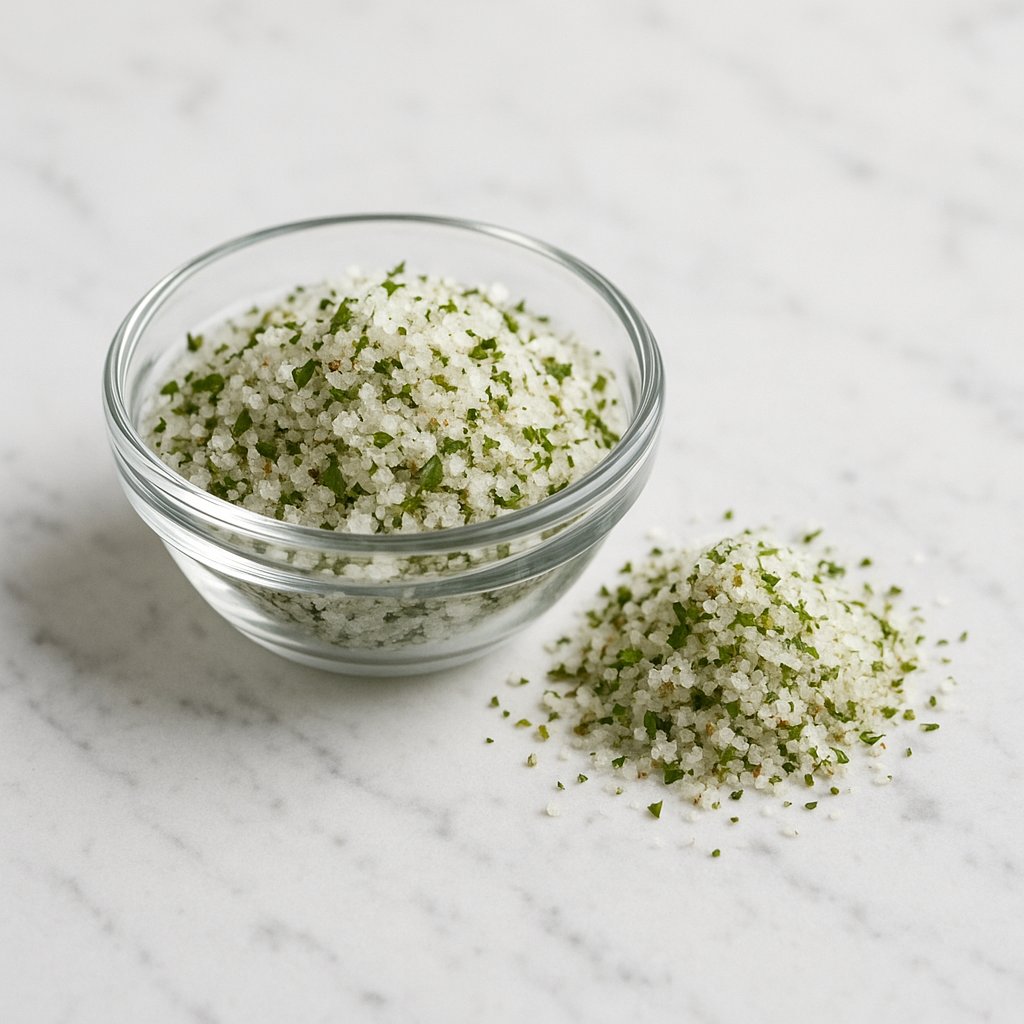
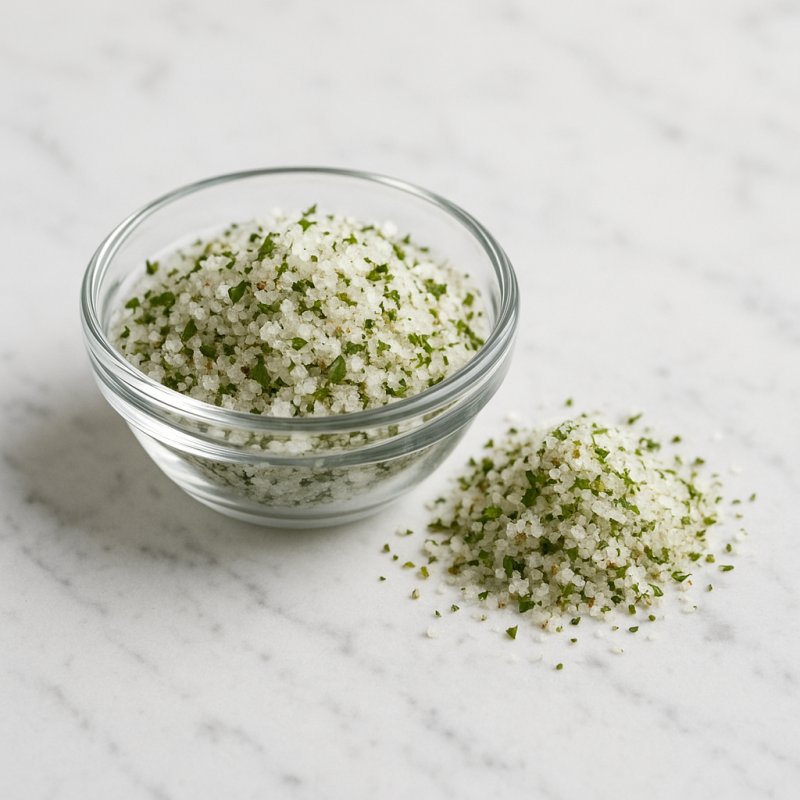
Herb salt is a popular seasoning found in many kitchens around the world. It often consists of a mixture of salt and dried herbs such as parsley, basil, oregano, rosemary or thyme. Because it is so easy to use, herb salt is available in supermarkets, organic shops, at weekly markets and also online. Sometimes people make it themselves and give small jars to family or friends.
Origin
The idea of herb salt comes from the long tradition of seasoning and preserving foods with herbs. Salt has always helped people to conserve flavors. Herb salt emerged when salt was mixed with fresh or dried herbs to make dishes like bread, vegetables or meat more flavorful. It therefore has no single town or country of origin – many regions have developed their own variants.
The idea of herb salt comes from the long tradition of seasoning and preserving foods with herbs. Salt has always helped people to conserve flavors. Herb salt emerged when salt was mixed with fresh or dried herbs to make dishes like bread, vegetables or meat more flavorful. It therefore has no single town or country of origin – many regions have developed their own variants.
Growing regions
The herbs used in herb salts grow in many places around the world. Some herbs prefer warm and sunny areas:
The herbs used in herb salts grow in many places around the world. Some herbs prefer warm and sunny areas:
- Basil grows particularly well in warmer regions such as the Mediterranean.
- Oregano and thyme are also typical herbs from southern countries and tolerate a lot of sun.
- Parsley, chives and dill are often found in temperate zones and can also grow well in gardens in cooler regions.
Many supermarkets buy herbs from different countries depending on what is in season or where it is cheaper. Organic shops often prefer herbs from organic cultivation, that is without synthetic pesticides.
Available varieties and variants
Herb salt comes in many different flavors. Here are some common variants you can easily recognize:
Herb salt comes in many different flavors. Here are some common variants you can easily recognize:
- Italian herb salt: usually with basil, oregano and rosemary – tastes good with pasta and pizza.
- Provencal herb salt: with herbs from southern France like thyme and lavender – goes well with grilled dishes and vegetables.
- Lemon herb salt: herbs combined with lemon zest or citric acid – fresh and zesty, ideal for fish or salads.
- Garlic herb salt: contains dried garlic – strong in flavor, good for oven potatoes or bread.
- Fine and coarse variants: some herb salts are ground very finely and dissolve easily, others are coarser and provide a crunchy sensation when chewed.
- Organic and homemade variants: organic herb salt uses herbs without chemical additives. Homemade herb salt can be mixed to taste so you can determine exactly which herbs and how much salt to use.
Simply put, herb salt is like a colorful toolbox for cooking: depending on the blend it changes the taste of dishes. You can find it almost everywhere to buy, but you can also make it yourself by mixing salt and dried herbs. That way you can choose exactly the herbs you like best.