Menu & categories

Herb butter

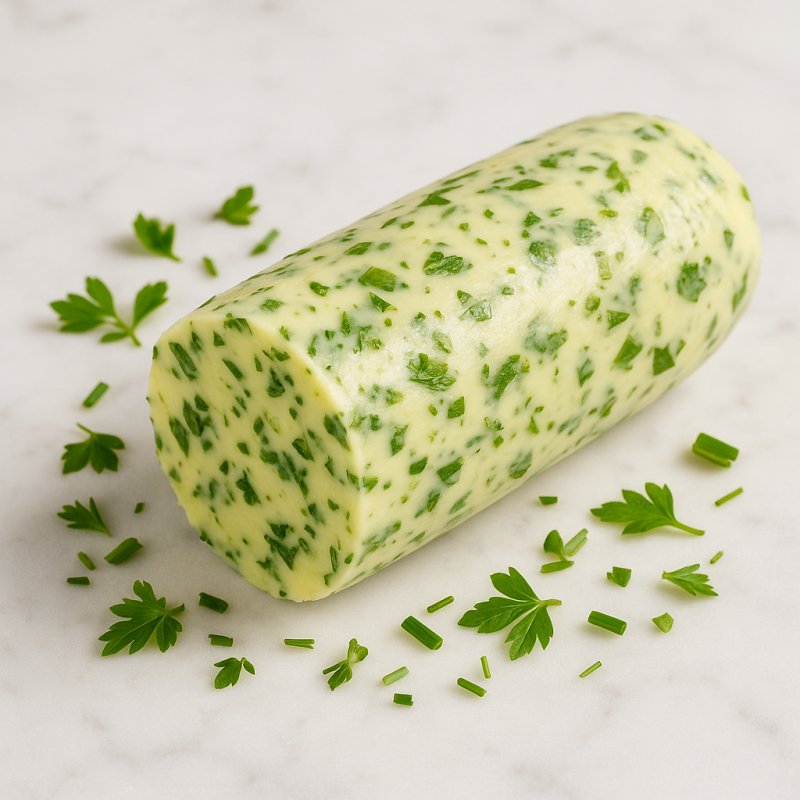
Aromatic butter preparation with fresh herbs

Wiki about herb butter Nutri-Score E Vegan No Gluten-free Yes Lactose-free No Nut-free Yes
NUTRITION / 100 g
720 kcal 1 g Protein 1 g Kohlenhydrate 80 g Fett

Introduction

Herb butter in a small dish with fresh herbs
I love herb butter because it is so wonderfully uncomplicated and yet enhances every bite. The first time I spread a freshly wrapped piece on a still-warm slice of bread, I thought it was just a small luxury. Today I know: herb butter is a culinary chameleon that proves itself both as an elegant companion to steak and roasted fish and as a cozy topping for baked potatoes.

My version is simple, but with a little secret: good butter, fresh herbs and a hint of lemon zest. I still remember a warm summer evening at a market when an old vendor gave me a tiny amount to take away. The taste was so immediate that I hurried home to experiment myself. Since then I regularly mix variants with parsley, chives, thyme or tarragon, depending on what the garden yields.

For quick cooking I always keep a few rolls in the freezer. A colleague once gave me the idea to freeze small portions in ice cube trays; that way I always have exactly the right amount for a pasta or a pan of mushrooms. The advantages are obvious:

  • Universally usable: goes with vegetables, meat, fish and bread.
  • Quick to make: few ingredients, big flavor.
  • Variable: herbs, spices and acids can be combined effortlessly.
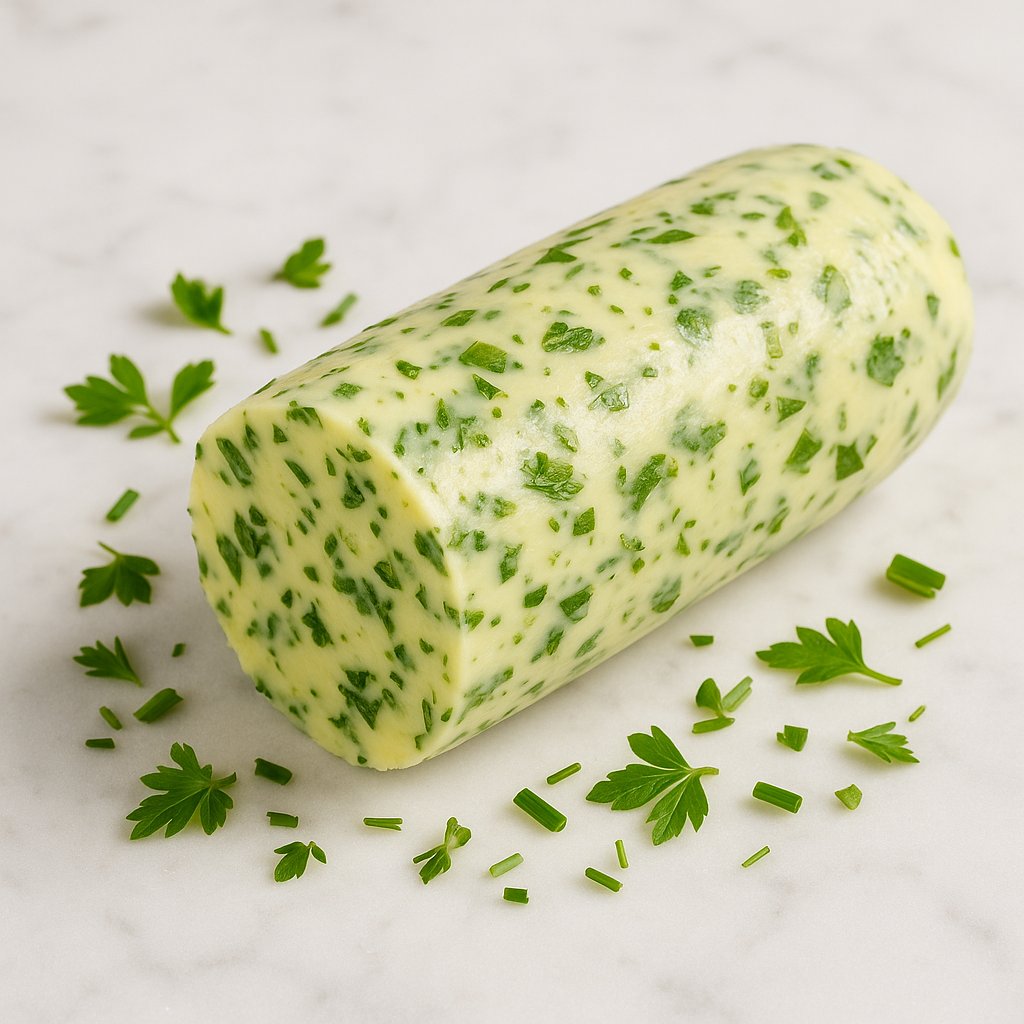
I like to play with textures: finely chopped herbs for a smooth, even mass or coarsely chopped for bite and color. Sometimes I add a little garlic or shallot, sometimes a drop of honey for contrast. When guests come, I roll the finished herb butter in baking paper into a pretty roll and serve it as a small highlight at the table. The reactions are usually: a pleased nod, an appreciative Mmm, and occasionally a request for the recipe.

Herb butter is more than an ingredient; it is a small gesture of attention that turns simple dishes into memorable moments. I can hardly imagine anything better to make food warm and at the same time personal.

Availability & types

Availability and types of herb butter

Herb butter is a simple but very popular ingredient. It usually consists of soft butter mixed with fresh or dried herbs. You can find herb butter in almost any supermarket, at weekly markets or you can make it yourself at home. That makes it very convenient: you can buy it quickly or make it to your taste.

Origin
Herb butter does not have a single homeland like a country or a city. It arose where people had butter and herbs and used both together, for example in Europe. Butter has long been a staple there, and herbs like parsley, chives or garlic have often been used in the kitchen. Over time the idea "butter + herbs" became an established ingredient that spread to many countries.

Herb growing regions
The herbs in herb butter come from many different regions. Some examples:

  • Parsley, chives, dill: These herbs grow well in Europe, North America and many other areas. They prefer fairly moist and sunny places.
  • Basil, oregano, thyme: These herbs originally come from warmer regions like the Mediterranean, but are now grown almost everywhere, including in gardens or on balconies.
  • Garlic: Is grown in fields around the world and gives herb butter a stronger flavor.
Many of the herbs can be grown in your own garden, in pots on a balcony, or even on a windowsill. This is practical because fresh herbs often taste best.

Available varieties and variants
Herb butter comes in different variants. Here are the most common, explained as if to a child:

  • Regular herb butter: Usually with parsley, chives and a little salt. It tastes mild and goes well with bread or potatoes.
  • Garlic butter: Also contains garlic. It has a stronger taste and is great with steak or grilled vegetables.
  • Gourmet variants: Sometimes herb butter is refined with special ingredients like lemon zest, capers or roasted nuts. These types are a bit more elaborate.
  • Light/lighter versions: There are also mixes with less fat, for example with quark or yogurt, so the butter tastes lighter.
  • Vegan or plant-based: For people who do not eat dairy, there are plant-based herb butters made from vegetable fats (for example vegetable oil or margarine) with the same herbs.
  • Frozen or fresh: Some herb butter is fresh in the refrigerated section, others are offered frozen so they last longer. Homemade butter can also be frozen before baking.
How to choose the right variety
Think about what you want to use the herb butter for. For bread a mild variety is nice, for grilled meat it may be stronger. If you want something special, try a gourmet variant. And if you don't eat animal products, there are vegan alternatives that taste similar.

In summary: herb butter is easy to find, it consists of butter and herbs from many growing regions and comes in many varieties — from the simple home mix to the elaborate gourmet or vegan variant. So there is something for every taste and you can make it yourself or buy it ready-made.
Details & nutrition

Property Value
Unit g
Calories per 100 720
Protein per 100 1
Carbohydrates per 100 1
Sugar per 100 1
Fat per 100 80
Saturated fat per 100 50
Monounsaturated fat 20
Polyunsaturated fat 3
Fiber per 100 0.2
Vitamin C (mg) per 100 1
Vitamin D (IU) per 100 30
Calcium (mg) per 100 20
Iron (mg) per 100 0.2
Nutri-Score E
CO₂ footprint 10.0
Origin Europe
Gluten-free Yes
Lactose-free No
Nut-free Yes
Vegan No
Note Typical composition of butter, salt, garlic and fresh or dried herbs; nutritional values may vary slightly depending on the recipe.

Technical & scientific information

Herb butter is a flavored fat preparation based on butter with fresh or dried herbs as well as other seasoning and aromatic substances. Classic herb butter consists of salted or unsalted butter, finely chopped herbs such as parsley, chives, dill or tarragon and, where appropriate, garlic, lemon zest, pepper and salt. It is used both as a spreading element on bread and to refine hot dishes, for gratinating or for frying. The solid to spreadable consistency at refrigerator temperature makes it versatile in the kitchen.

Chemical composition and constituents
Butter as a base consists predominantly of milk fat, which is about 80–82% fat. Milk fat is a mixture of triglycerides whose fatty acid composition mainly includes saturated fatty acids such as palmitic and myristic acid as well as monounsaturated fatty acids (e.g. oleic acid). In addition, butter contains small amounts of water (approx. 15–18%), milk proteins and milk sugar (lactose). Herbs provide secondary plant compounds such as flavonoids, essential oils, tannins as well as water- and fat-soluble vitamins (for example vitamin K, vitamin C in small amounts) and minerals. When garlic is added, the sulfur-containing allicin is present, which is responsible for the characteristic smell and certain bioactive effects.

Nutritional values
The energy density of herb butter depends primarily on the butter content. Per 100 g, butter typically provides about 700–750 kcal, around 80 g fat, little protein and carbohydrates. Herbs and spices contribute only marginally to the calorie balance, but they do slightly increase the contents of vitamins and secondary plant compounds. Depending on the addition of salt, the sodium content changes; those who need to watch sodium intake should avoid salted variants or check the salt content.

Processing methods
Herb butter can traditionally be made by mixing soft butter with finely chopped ingredients. Industrially it is often produced by mixing at controlled temperature and subsequently forming (for example into rolls, portioning). Important process parameters are temperature (to avoid texture loss and phase changes in the fats), hygiene control (to prevent microbial contamination) and suitable packaging (light- and airtight systems reduce oxidation and aroma loss). Freezing extends shelf life and preserves aromas. When produced under exclusion of air or with the addition of antioxidant components, fat rancidity can be delayed.

Sensory properties and stability
The aromatic effect is based on the release of volatile compounds from the herbs and spices by heating or mechanical contact. Fat serves as a flavor carrier, since many aroma compounds are fat-soluble and dissolve well in milk fat. The stability of the aroma depends on factors such as light, temperature and oxygen exposure. Longer storage can lead to loss of volatile compounds and the development of off-flavors due to lipid oxidation.

Health aspects
From a nutritional point of view, herb butter is an energy-dense, fat-rich food. Regular high consumption of saturated fats can increase the risk of cardiovascular diseases; therefore moderate use within a balanced diet is recommended. Positive aspects arise from the herbs: they supply bioactive plant compounds with antioxidant or inflammation-modulating properties. When using raw ingredients such as fresh garlic or herbs, good hygiene is important, as moist mixtures stored improperly can promote the growth of microorganisms.

Variants and applications
Herb butter exists in numerous variants, for example with lemon zest, capers, anchovies or with different herb compositions. It is used to enhance steaks, fish, sautéed vegetables, pasta or as a spread on bread. At high temperatures the butter melts and releases the aroma compounds dissolved in the fat, intensifying the flavor of dishes.

Storage and shelf life
Freshly prepared herb butter keeps in the refrigerator for several days up to a few weeks, depending on hygiene and salt content. Wrapped in parchment paper or hermetically packaged and frozen it remains usable for several months. Before consumption, color, smell and surface should be checked; rancidity or slimy surfaces are indicators of spoilage.

Overall, herb butter is a simple but functionally versatile preparation whose sensory effect is based on the combination of milk fat as a flavor carrier and the volatile aroma compounds from herbs. From a scientific perspective it combines lipid-chemical, microbiological and nutritional aspects that should be considered in production, storage and use to ensure quality and safety.

Wiki entry for: herb butter
Active now: 24 visitors of which 2 logged-in members in the last 5 minutes