Availability and types
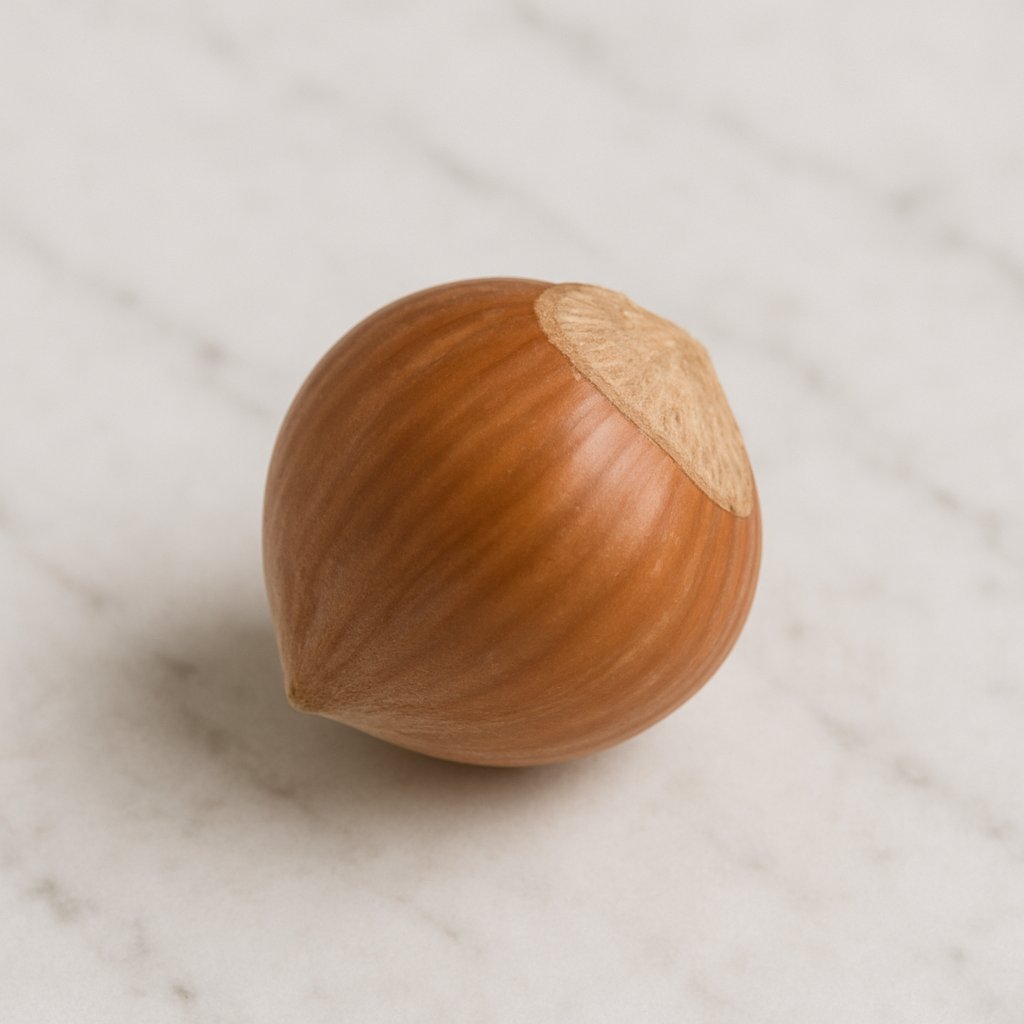
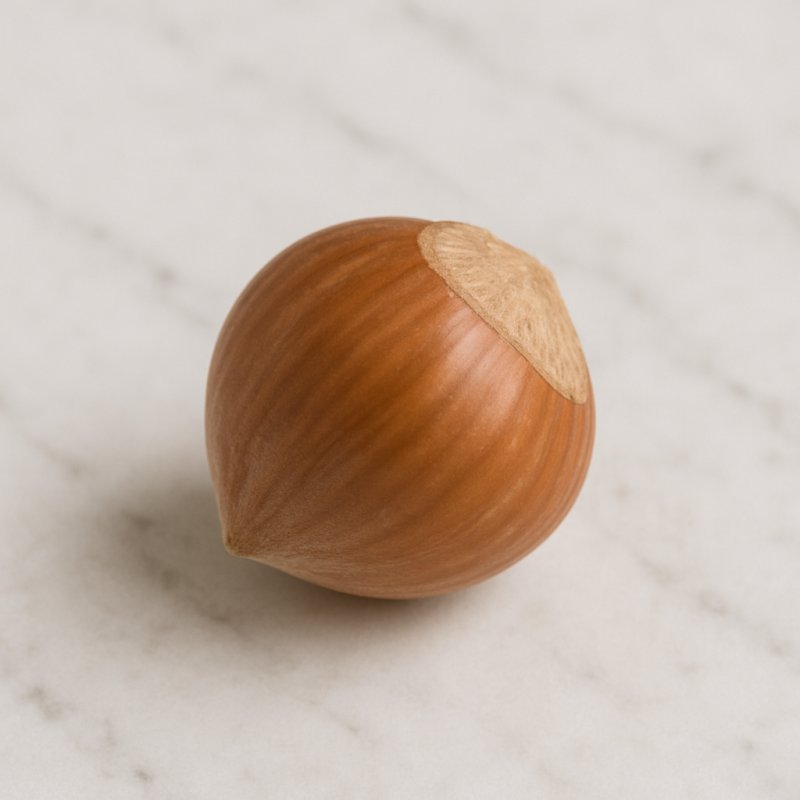
The hazelnut is a widely available nut that can be found in many supermarkets, health food stores and at weekly markets. You can buy it fresh in the shell, already shelled, roasted or ground as flour or paste. Its popularity comes from hazelnuts' slightly sweet, nutty flavor and their use in many sweets, cakes and spreads. Depending on the season there is fresher produce: the main harvest time is from late summer to autumn, so fresh hazelnuts in the shell are especially easy to find in autumn.
Origin and growing regions
Hazelnuts grow on shrubs or small trees called hazel. These plants like a temperate climate, neither too hot nor too cold. Major growing areas include:
- Europe: Particularly Turkey is one of the world's largest producers. Countries such as Italy (especially the regions around Piedmont), Spain and France also grow many hazelnuts.
- North America: In the USA, for example in the state of Oregon, there are extensive hazelnut plantations.
- Other regions: Smaller harvests also occur in countries with suitable climates, for example parts of Asia or South America.
You can think of it like apple growing: some regions have the perfect weather and soils, so especially many and good hazelnuts grow there.
Available varieties and forms
There is not just a single hazelnut, but many varieties. These varieties differ in size, flavor, frequency of harvest and how well the nuts suit particular recipes. Important differences include:
- Shell color: Some hazelnuts have a darker brown shell, others are lighter. The color, however, says little about the taste.
- Size: Large hazelnuts are easier to crack and are good as a snack or decoration. Smaller varieties are often used for processing in food products.
- Variety & origin name: There are well-known varieties like the hazelnuts from Piedmont (Italy), often regarded as particularly aromatic. Nuts produced in Turkey are widespread on the world market.
- Processing state: Hazelnuts are available as whole nuts in the shell, shelled kernels, chopped, ground (hazelnut flour), ground into paste (hazelnut butter) or as roasted nuts. Roasting intensifies the flavor – similar to when you toast bread in the oven and its aroma becomes more intense.
- Storage form: Fresh hazelnuts in the shell keep longer because the shell protects against moisture and light. After the nuts have been shelled or ground, they should be stored cool and dark to prevent them from going rancid.
Shopping tip
If you want to buy hazelnuts, look for a fresh smell (not musty) and firm shells on whole nuts. For recipes where an intense flavor is important, roasted hazelnuts or hazelnut paste are a good choice. For allergy sufferers: hazelnuts are among the common tree-nut allergens, so always read the ingredient list or ask if in doubt.
In summary: hazelnuts come from regions with mild climates, there are many varieties and processing methods, and they are available year-round in various forms – from fresh in the shell to ground flour or paste for cakes and spreads.