Menu & categories

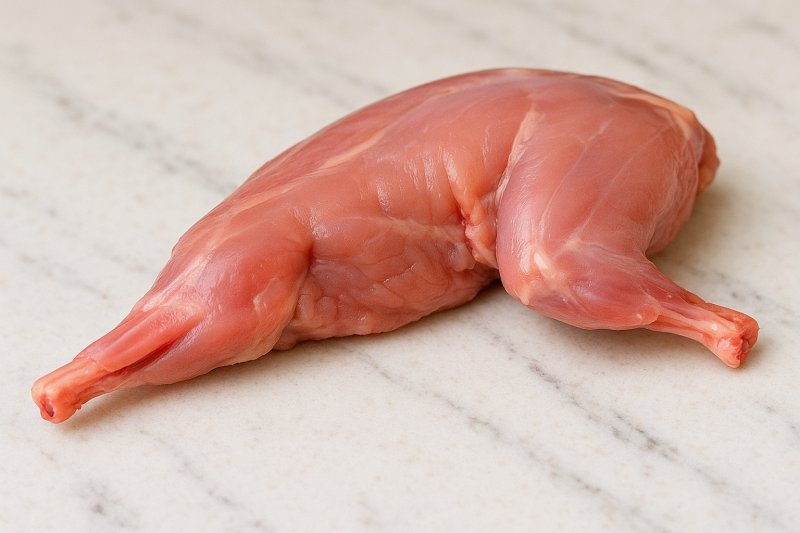
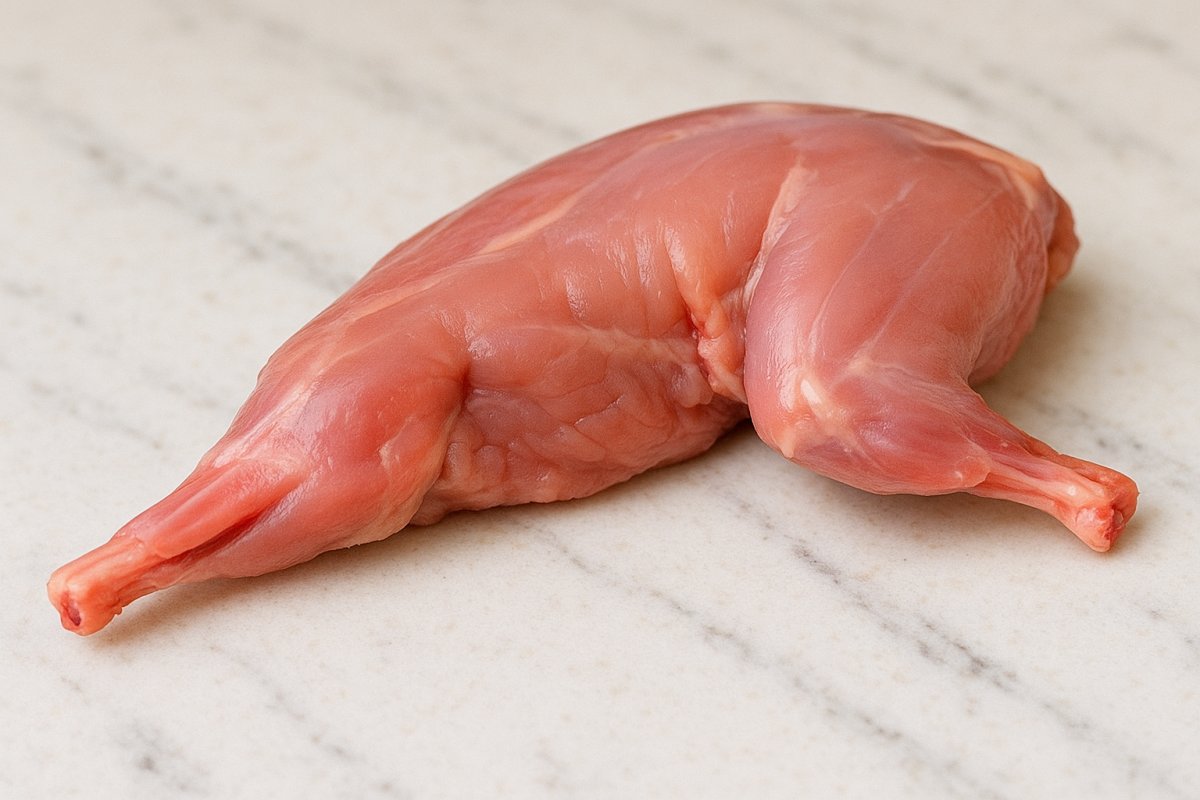
Hare

Lean game meat with high protein content and a robust flavor.

Wiki about hare Nutri-Score B Vegan No Gluten-free Yes Lactose-free Yes Nut-free Yes
NUTRITION / 100 g
120 kcal 22.0 g Protein 0.0 g Kohlenhydrate 3.0 g Fett

Introduction

A hare in the field
I still remember my first attempt with hare in the kitchen as a small adventure: a simple ragout that, after hours on the stove, gave off such a deep, earthy warmth that a colleague spontaneously compared it to Sunday dinner. Since then hare has appeared to me both at rustic markets and in modern restaurants, and this ingredient continually surprises me with its fine, slightly gamey flavor that brings depth more than dominance.

Hare is leaner than beef or pork, but less "strict" than you might think. The texture can be tender if the meat is treated correctly, and robust when traditionally braised. I make sure to marinate the meat before cooking or to braise it slowly so it stays juicy. I prefer marinades with acidity and herbs, for example red wine, juniper and thyme, which emphasize the meat's delicate gamey note.

For anyone preparing hare for the first time, I have gathered some practical tips:

  • Seasonality: hare is traditionally in demand in autumn and winter; quality is usually best then.
  • Preparation: sear briefly, then braise slowly or confit to achieve tenderness.
  • Sides: root vegetables, mashed potatoes or a hearty polenta pair excellently.
  • Flavor enhancers: red wine, mustard, lingonberries or chestnuts add depth and balance.
Once an old farmer's wife at the market advised me to "soften" hare meat with a splash of milk or cream in the braising pot — a tip I have gladly passed on since. Those who care about sustainability should look for regional origin and gentle hunting or husbandry methods, as that often makes a difference in flavor.

For me hare is an ingredient that tells stories: of field edges, long afternoons in the kitchen and cozy tables. It demands time and attention, but rewards with a dish that creates memories and prompts guests to ask questions.

Availability & types

Availability and types of the ingredient hare

When we speak of “hare” as an ingredient, we usually mean the meat of wild hares or of domestic rabbits kept as livestock. Both types are used as food, but they are not equally easy to obtain everywhere. You can think of it this way: wild hares are like fruit from the forest — they grow "free" and are easier to find only at certain times. Farmed rabbits are more like supermarket fruit — available year-round.

Origin and production areas
Hares and rabbits live in many regions of the world. In Europe they are very common. Hare meat is particularly frequent from countries such as Spain, Italy and France, where hunting and rabbit farming are traditional. Rabbit meat is also produced in other regions, for example parts of Asia. Wild hares are found in woods, fields and meadows, while farmed rabbits are raised on farms and in hutches.

Where can I get hare?
You can find hare meat:

  • at the butcher or in specialized meat shops — where fresh pieces can often be ordered;
  • at the farmers' market or directly from the producer;
  • in the supermarket in regions with high demand or in well-stocked delicatessens;
  • online from delivery services that offer game and specialty meats.
Types and variants
One broadly differentiates between wild hare and farmed rabbit:

  • Wild hare: It usually has a stronger flavor because it moves a lot and eats natural foods. Game meat can be somewhat firmer, similar to wild boar.
  • Farmed rabbit: It is generally more tender and milder in flavor. The animals are raised under controlled conditions, similar to chickens or pigs on a farm.
Within farmed rabbits there are different breeds (types of domestic animals) particularly suitable for meat production. Two well-known examples are:

  • New Zealand White — a white rabbit breed often used in meat production;
  • Californian — another common breed also well suited for meat production.
Processing and sale
Hare meat is sold fresh, but can also be frozen or offered as part of processed products like canned goods, pâtés or marinated pieces. Wild hares are often available in the hunting season (autumn/winter), while farmed rabbit meat is generally available year-round.

In summary: hare as an ingredient comes in two main variants — wild and farmed — and is produced in many countries, especially parts of Europe. You can find it at the butcher, at markets or online. Wild meat has a stronger flavor, farmed rabbit is milder and more tender. Depending on the recipe and taste you can decide which variant to try.
Details & nutrition

Property Value
Unit g
Calories per 100 120
Protein per 100 22.0
Carbohydrates per 100 0.0
Sugar per 100 0.0
Fat per 100 3.0
Saturated fat per 100 0.9
Monounsaturated fat 1.2
Polyunsaturated fat 0.6
Fiber per 100 0.0
Vitamin C (mg) per 100 0.0
Vitamin D (IU) per 100 8
Calcium (mg) per 100 12
Iron (mg) per 100 3.2
Nutri-Score B
CO₂ footprint ca. 5.0 kg CO2e/kg
Origin Europe (game, hunting)
Gluten-free Yes
Lactose-free Yes
Nut-free Yes
Vegan No
Note Game meat: handle hygienically and cook thoroughly; values may vary slightly depending on origin and butchering.

Technical & scientific information

Hare refers, in culinary and nutritional consideration, to the meat of wild or domestic lagomorphs of the family Leporidae, often the European hare (Lepus europaeus) or related species. The meat has been used for centuries in many regions as a lean game meat and is characterized by a dense structure, relatively low fat content and a distinctive, slightly gamey aroma.

Taxonomy and origin. Hare is not a single standardized product but includes meat from various species and populations. Wild-caught animals differ nutritionally and sensorially from farmed animals, particularly due to different muscle development, diet and activity levels, which affect flavor, texture and fat composition.

Chemical composition and nutritional values (typical ranges per 100 g, raw). Composition varies by species, age and rearing, but typical values are roughly:

  • Energy: 120–160 kcal
  • Protein: 20–24 g – high-quality, complete protein with all essential amino acids
  • Fat: 1–6 g – on average very lean, with wild game tending to be lowest
  • Cholesterol: about 60–90 mg
  • Minerals: iron 2–4 mg, zinc 1–3 mg, selenium variable depending on soil and diet
  • Vitamins: rich in B vitamins, particularly niacin (B3) and vitamin B6; vitamin B12 present in notable amounts
Fatty acid profile. Due to the low total fat content, absolute amounts are relatively small, with the proportion of unsaturated fatty acids (particularly monounsaturated and n-3 and n-6 polyunsaturated fatty acids) often favorable compared to saturated fats. Wild hares tend to have higher proportions of polyunsaturated fatty acids than farmed hares due to natural diets.

Protein quality and digestibility. Hare meat provides all essential amino acids and has high protein digestibility. The amino acid profile is comparable to other lean meats, making it suitable for supplying essential amino acids.

Processing methods. Common processing steps include proper bleeding, skinning and professional butchering. Maturation or controlled chilling is beneficial for texture to improve natural tenderness. Due to the leanness, moist or slow cooking techniques (braising, low-temperature cooking) or enrichment with fat or side dishes are often recommended to avoid dryness. Marinades and acidic treatments can affect fiber structure and increase sensory acceptance.

Shelf life and storage. Fresh hare meat has limited shelf life at refrigerator temperatures (<4 °C); vacuum packaging and freezing at −18 °C significantly extend shelf life. Hygienic processing is important, as spoilage can occur from psychrotrophic bacteria and opportunistic pathogens.

Food law and health aspects. Wild hares can transmit pathogens; notably Francisella tularensis (tularemia) can occur in infected wild animals. Therefore careful kitchen hygiene and thorough cooking are recommended. An internal temperature of at least 70 °C is generally considered supportive of safety to inactivate pathogenic bacteria and parasites. People with gout should consider the purine-rich portion of animal tissues, as game meats tend to have higher purine levels.

Ecological aspects and sustainability. The environmental footprint of hare or rabbit meat depends on husbandry, feeding and wildlife population management. Local game can, in certain regions, be a resource-efficient alternative to industrially produced meat if populations are used sustainably.

In summary, hare is a lean, protein-rich food with a favorable nutrient density and specific safety requirements for wild game. Careful processing, appropriate storage and sufficient cooking are central points for quality and food safety.

Wiki entry for: hare
Active now: 36 visitors of which 2 logged-in members in the last 5 minutes