Availability and types of the ingredient hare
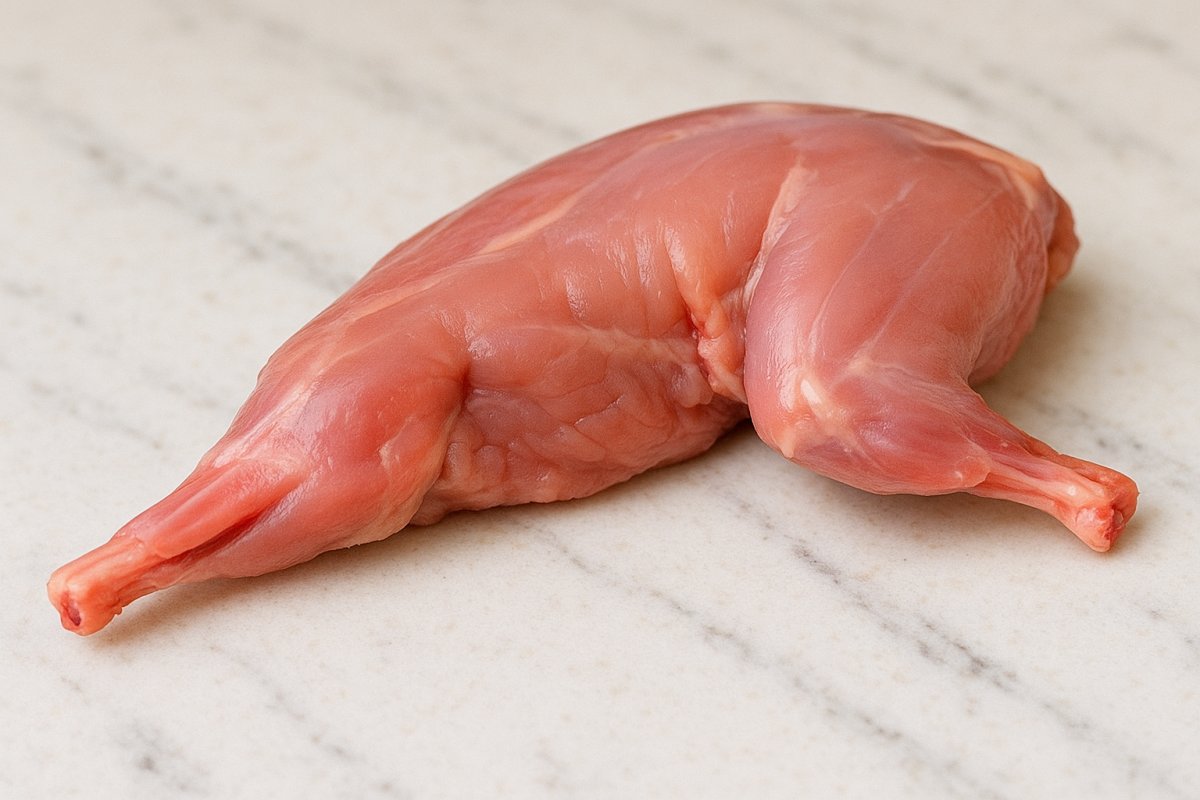
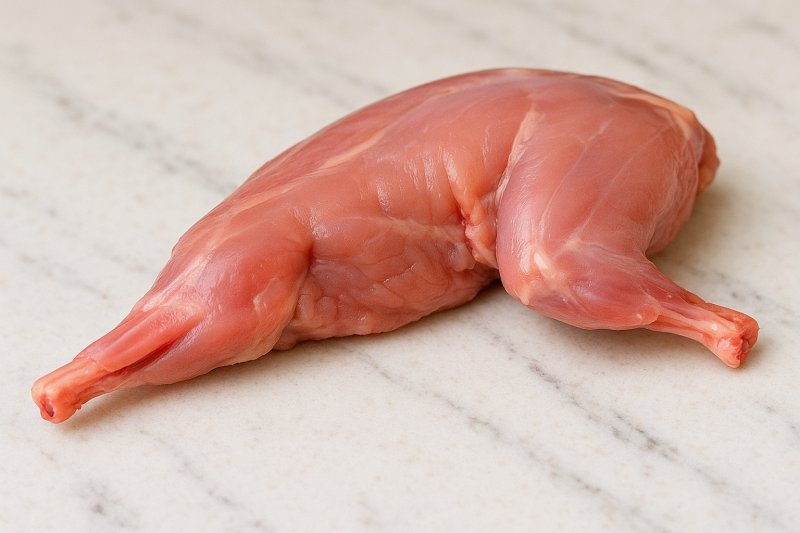
When we speak of “hare” as an ingredient, we usually mean the meat of wild hares or of domestic rabbits kept as livestock. Both types are used as food, but they are not equally easy to obtain everywhere. You can think of it this way: wild hares are like fruit from the forest — they grow "free" and are easier to find only at certain times. Farmed rabbits are more like supermarket fruit — available year-round.
Origin and production areas
Hares and rabbits live in many regions of the world. In Europe they are very common. Hare meat is particularly frequent from countries such as Spain, Italy and France, where hunting and rabbit farming are traditional. Rabbit meat is also produced in other regions, for example parts of Asia. Wild hares are found in woods, fields and meadows, while farmed rabbits are raised on farms and in hutches.
Hares and rabbits live in many regions of the world. In Europe they are very common. Hare meat is particularly frequent from countries such as Spain, Italy and France, where hunting and rabbit farming are traditional. Rabbit meat is also produced in other regions, for example parts of Asia. Wild hares are found in woods, fields and meadows, while farmed rabbits are raised on farms and in hutches.
Where can I get hare?
You can find hare meat:
You can find hare meat:
- at the butcher or in specialized meat shops — where fresh pieces can often be ordered;
- at the farmers' market or directly from the producer;
- in the supermarket in regions with high demand or in well-stocked delicatessens;
- online from delivery services that offer game and specialty meats.
Types and variants
One broadly differentiates between wild hare and farmed rabbit:
One broadly differentiates between wild hare and farmed rabbit:
- Wild hare: It usually has a stronger flavor because it moves a lot and eats natural foods. Game meat can be somewhat firmer, similar to wild boar.
- Farmed rabbit: It is generally more tender and milder in flavor. The animals are raised under controlled conditions, similar to chickens or pigs on a farm.
Within farmed rabbits there are different breeds (types of domestic animals) particularly suitable for meat production. Two well-known examples are:
- New Zealand White — a white rabbit breed often used in meat production;
- Californian — another common breed also well suited for meat production.
Processing and sale
Hare meat is sold fresh, but can also be frozen or offered as part of processed products like canned goods, pâtés or marinated pieces. Wild hares are often available in the hunting season (autumn/winter), while farmed rabbit meat is generally available year-round.
Hare meat is sold fresh, but can also be frozen or offered as part of processed products like canned goods, pâtés or marinated pieces. Wild hares are often available in the hunting season (autumn/winter), while farmed rabbit meat is generally available year-round.
In summary: hare as an ingredient comes in two main variants — wild and farmed — and is produced in many countries, especially parts of Europe. You can find it at the butcher, at markets or online. Wild meat has a stronger flavor, farmed rabbit is milder and more tender. Depending on the recipe and taste you can decide which variant to try.