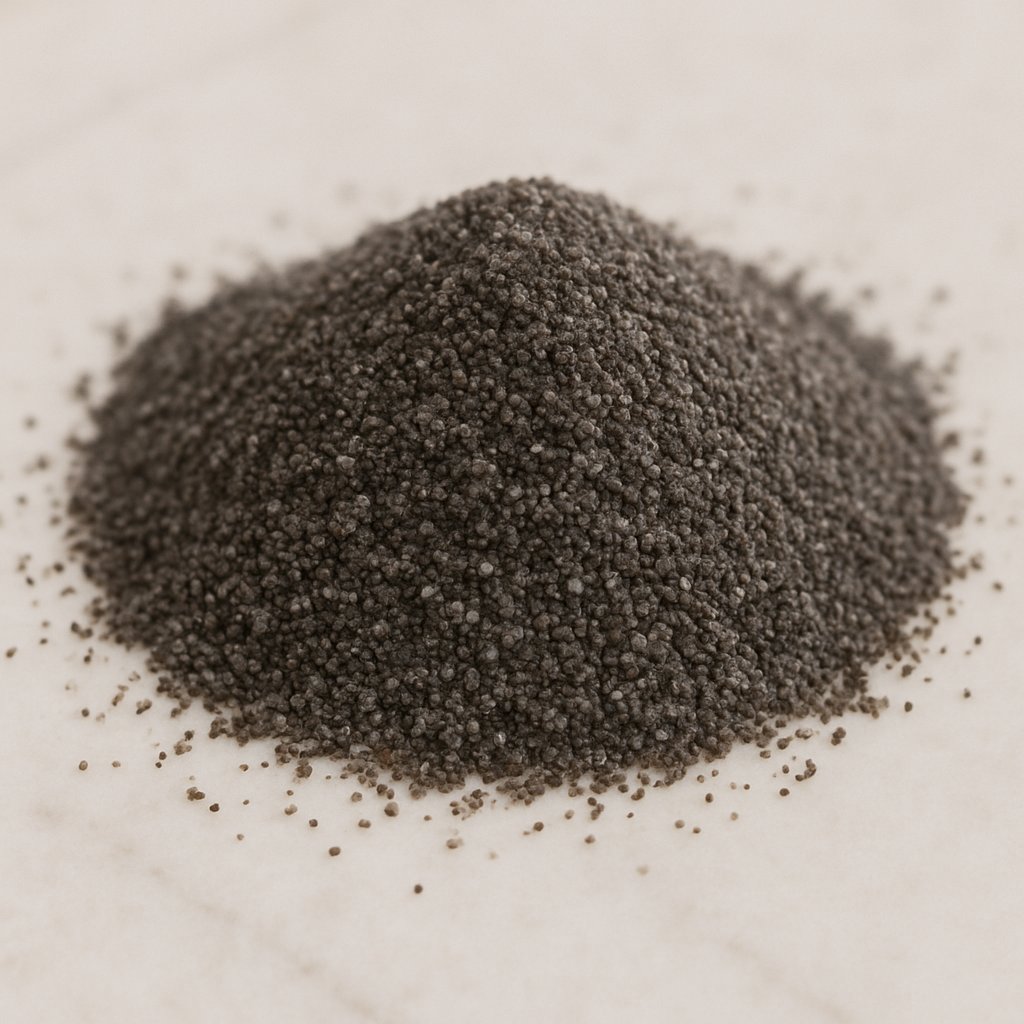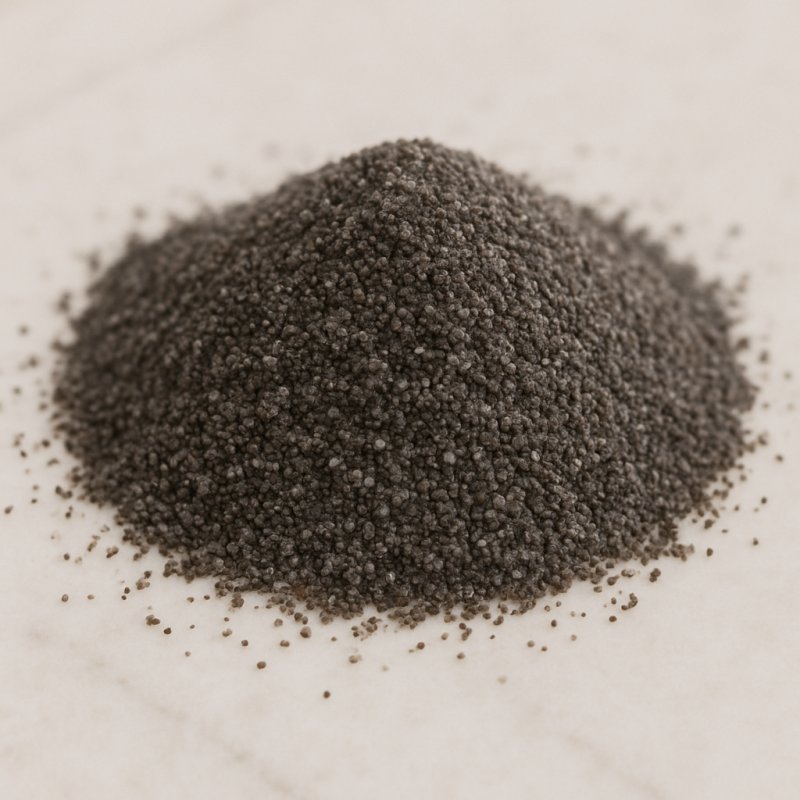
Availability and types of ground poppy seeds
Poppy seeds are small grains ranging from dark blue to black, harvested from the poppy plant. When these seeds are ground, they become ground poppy seeds, often used in baking or cooking. The good news: poppy seeds are available in many countries and sold in various forms. That makes them easy to find and versatile to use.
Origin and growing regions
Poppy grows in many parts of the world. Well‑known growing regions include parts of Europe such as Austria, Germany, Poland and the Czech Republic. Turkey and parts of Asia also produce a lot of poppy. In these regions climate and soil are often suitable for the plant because it likes sunny days and not too much rain. You can imagine it like a sunflower: it also prefers sun and open fields.
Poppy grows in many parts of the world. Well‑known growing regions include parts of Europe such as Austria, Germany, Poland and the Czech Republic. Turkey and parts of Asia also produce a lot of poppy. In these regions climate and soil are often suitable for the plant because it likes sunny days and not too much rain. You can imagine it like a sunflower: it also prefers sun and open fields.
The plants that produce the seeds are robust field crops. Farmers sow poppy on large fields and let it grow until seed capsules form around summer. The small seeds come from these capsules and are then harvested and processed.
Available varieties and variants
Ground poppy seeds do not come in just one type. Here are the main variants, explained simply:
Ground poppy seeds do not come in just one type. Here are the main variants, explained simply:
- Blue poppy – This is the most commonly used poppy in Europe. The seeds are dark blue or blue‑black. It has a slightly nutty taste. You often find it in baked goods such as poppy rolls or poppy streusels.
- White poppy – This variety has lighter seeds, almost cream‑colored. The taste is milder than blue poppy. White poppy is useful when you do not want the poppy flavor to be too pronounced, for example in light doughs or desserts.
- Red/small poppy – In some regions there are varieties that are smaller and more reddish. They are less commonly ground but are sometimes used for special recipes.
- Whole vs. ground – Poppy is often sold whole (as whole seeds) or already ground. Whole seeds keep fresher longer because the oils are not exposed to air as quickly. Ground poppy seeds are more convenient because they are ready to use and release their flavor more readily.
- Coarse vs. fine grind – The texture changes depending on how finely the seeds are ground. Coarsely ground poppy has small pieces that are noticeable in baked goods. Finely ground poppy is almost like a paste and distributes more evenly in dough.
- Toasted poppy – Sometimes poppy is briefly toasted before grinding. This intensifies the flavor, similar to toasted nuts. It's useful when you want a stronger poppy taste.
Where to find it and how to store it
Ground poppy seeds can be bought in supermarkets, well‑stocked bakeries or online. When shopping it helps to check the expiration date because the oils they contain can become rancid over time. At home you should store ground poppy seeds airtight and in the dark, for example in a well‑sealed jar in the refrigerator. This keeps them fresher longer and tasting like the first day.
Ground poppy seeds can be bought in supermarkets, well‑stocked bakeries or online. When shopping it helps to check the expiration date because the oils they contain can become rancid over time. At home you should store ground poppy seeds airtight and in the dark, for example in a well‑sealed jar in the refrigerator. This keeps them fresher longer and tasting like the first day.
In summary: ground poppy seeds are available in many variants – from blue to white poppy, coarse or finely ground and sometimes already toasted. They come from various countries in Europe and Asia and are easy to find. With proper storage they retain their good flavor and make baking and cooking wonderfully aromatic.