Availability and types
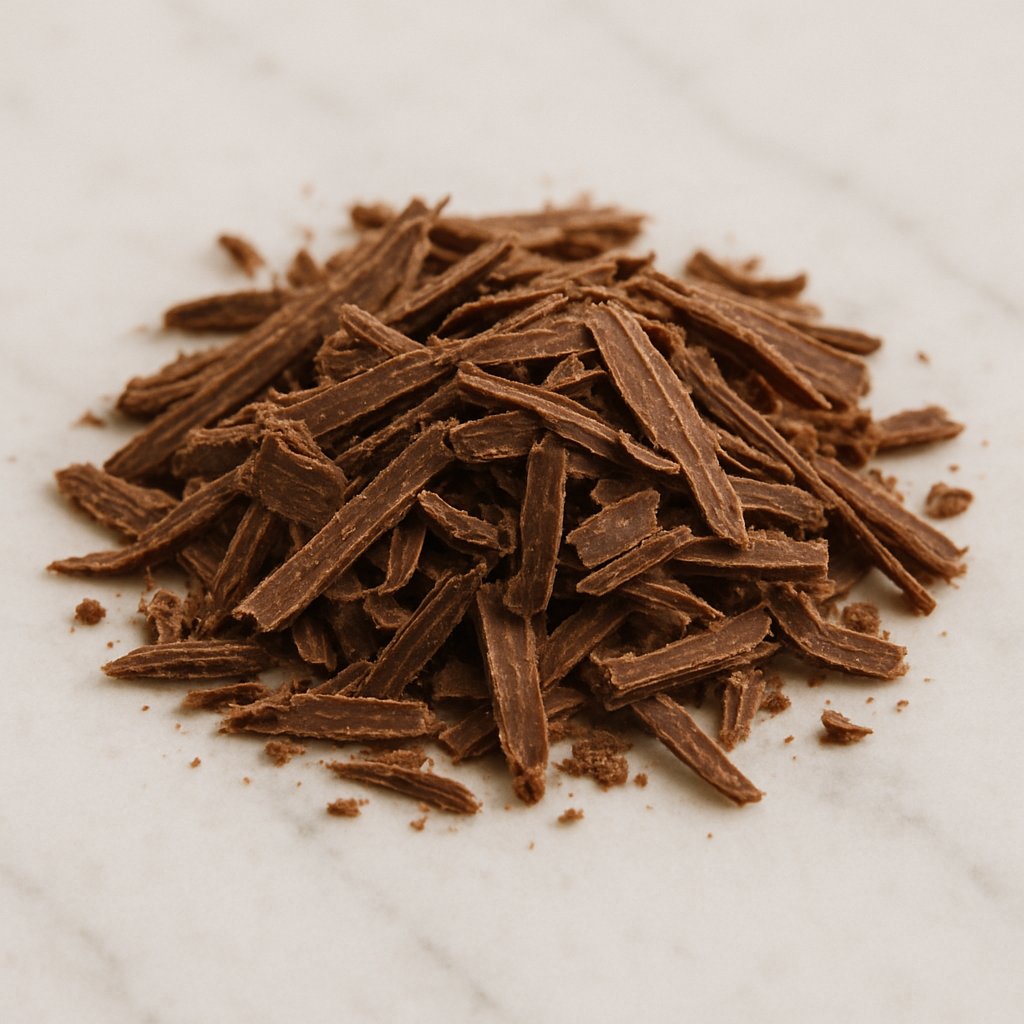
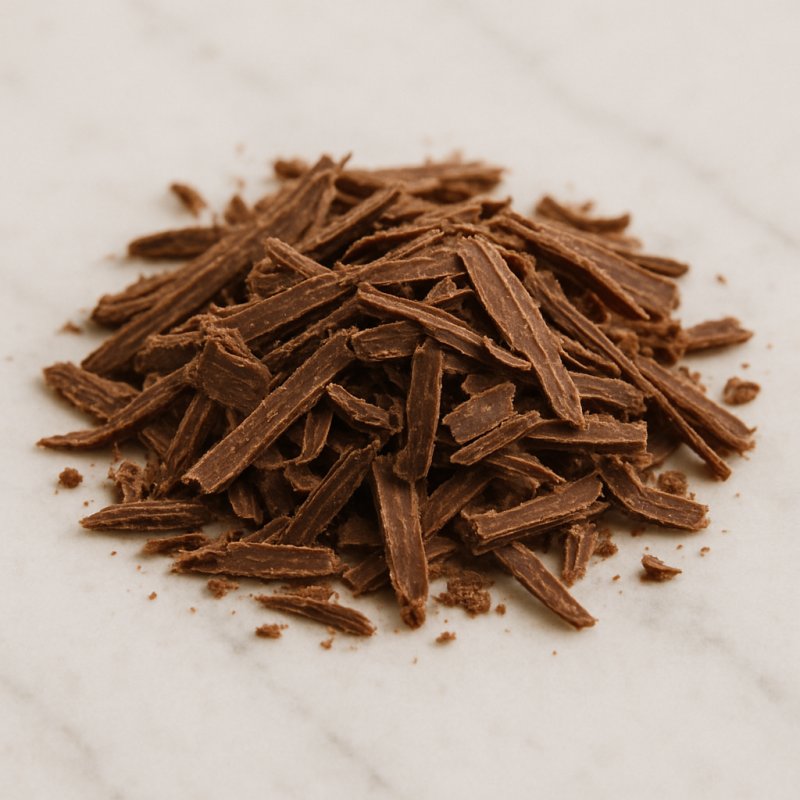
If you think of grated chocolate, imagine fine flakes of chocolate falling over a cake or pudding. These small pieces are rarely their own plant — they come from chocolate, which is made from the seeds of the cacao tree. Cacao trees grow mainly in warmer regions near the equator. Well-known growing areas are countries in West Africa such as Ghana and the Ivory Coast, but also in South America (for example Ecuador and Brazil) and in parts of Southeast Asia. You can imagine that it is often warm and humid there, similar to a greenhouse for tropical plants.
Grated chocolate comes in many varieties, just like bar chocolate. Here are the main types you find in the store:
- Dark chocolate – This chocolate tastes strong and less sweet. It contains a lot of cocoa. When grated, dark chocolate flakes become somewhat more bitter in taste; they are well suited for adults who prefer things not too sweet.
- Milk chocolate – This is milder and sweeter because it contains milk. Grated, it is often used over ice cream or cake for a creamy-sweet flavor that many children enjoy.
- White chocolate – Technically it does not contain cocoa solids, but mainly cocoa butter, sugar and milk. It is very sweet and has a light color. Grated white chocolate looks pretty as a contrast to dark desserts.
- Couverture – This is an especially smooth chocolate often used by bakers. Grated couverture melts nicely and is often used when the chocolate will be melted again or needs to look smooth.
- Mixed varieties – Some manufacturers offer special variants with nuts, caramel pieces or flavors like orange. These are sometimes also available grated as sprinkles or mixes.
You can get grated chocolate in different ways:
- Ready bought – Supermarkets often stock bags of chocolate shavings (sprinkles) or decoration. These are convenient: ready to use and already in small pieces.
- Grate yourself – You can also grate a bar of chocolate at home with a grater or a knife. This has the advantage that you control the size and get fresh shavings.
- Sliced or shaved variants – Some ingredient shops sell thin “shavings” or shaved chocolate, which are usually a bit larger and more decorative than sprinkles.
What to watch out for:
- Shelf life: Chocolate keeps quite well if stored dry and cool. Open packages should be kept well sealed so they do not smell virtuous or melt.
- Temperature: In heat grated chocolate can melt. If you need the flakes as decoration, keep them cool and sprinkle them shortly before serving the dessert.
- Quality: Good chocolate has an intense taste. If you use chocolate for baking, it can be worth choosing a slightly better quality because the flavor will hold up better.
In summary: Grated chocolate comes from cocoa beans grown in tropical countries and is available in types such as dark, milk, white and special variants. You can buy it ready-made or grate it from bars yourself. Pay attention to storing it cool and dry so it looks and tastes good when decorating.