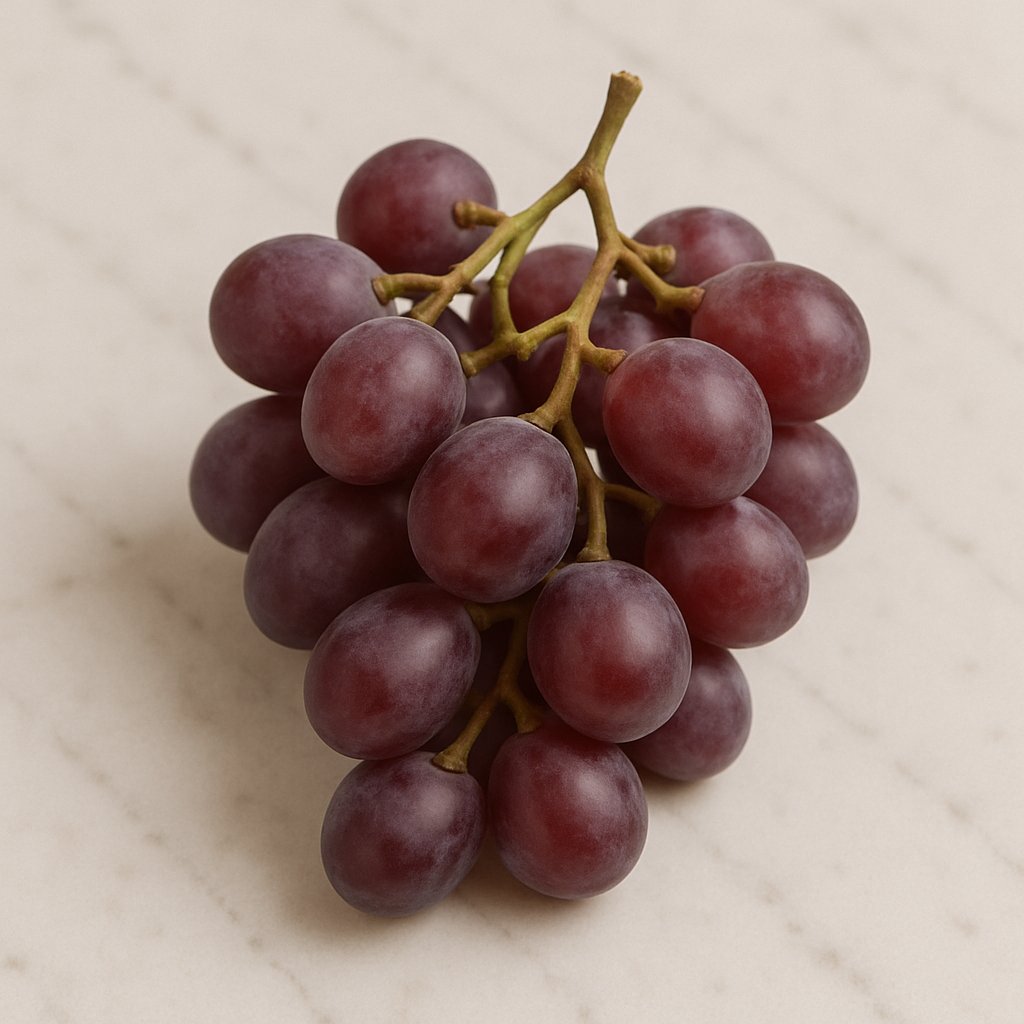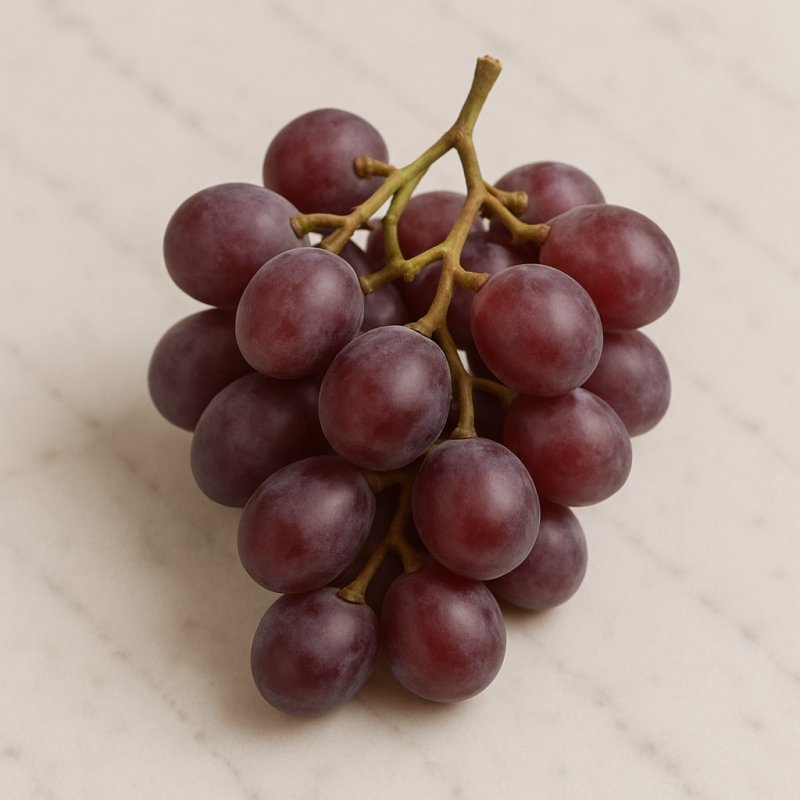
Availability and types of grapes
Grapes are small, juicy fruits grown in many parts of the world. You can find them fresh in supermarkets, dried as raisins, in juices, jellies or as wine. Availability here means when and where grapes can be purchased: in many countries grapes are available year-round. This is because they are grown in different regions and climate zones, and modern storage and transport methods keep them fresh for a long time. If you see fresh grapes in winter, they often come from countries with warm climates, for example South Africa, Chile or Australia. In summer they more often come from Europe, for example Spain, Italy or Greece.
Origin and growing regions
- Europe: Many grapes are grown in Mediterranean countries. Spain, Italy and Greece are major producers. The climate there is warm and sunny – ideal for sweet grapes.
- North America: In the USA (for example California) and Canada there are also large wine and table grape growing areas. Both table grapes and wine grapes are produced there.
- South America and Africa: Countries such as Chile, Argentina and South Africa supply many grapes especially during the European winter, because their summer falls in our winter.
- Australia and New Zealand: These countries also export grapes to other parts of the world. This helps ensure grapes are available year-round.
Varieties and types
There are hundreds of grape varieties, but they can be broadly divided into a few main groups to make them easier to understand:
- Table grapes: These grapes are eaten fresh. They are often larger, crisp and have thinner skins. Common table grape colors are green (sometimes called “light”), red to dark red and purple to black. An example: “Thompson Seedless” is a green, seedless variety that many children like because it is sweet and easy to eat.
- Wine grapes: These grapes are mainly grown for winemaking. They can be smaller and tarter than table grapes and often have seeds. Wine grapes come in many varieties that provide different aromas for different wines.
- Raisin grapes: Some grapes are specifically dried to make raisins. Very sweet, seedless varieties are usually used for this. When dried the fruits shrink and become the sweet raisins found in muesli.
- Seedless vs seeded grapes: Seedless grapes are convenient to eat – no bothersome seeds. Seeded grapes have small seeds inside that some people dislike. Both types can be red, green or dark.
- Special varieties: There are also special grapes with unusual characteristics – for example extra sweet, very large or intensely aromatic ones. Some have been bred to be particularly resistant to pests or weather conditions.
How do grapes differ in taste and appearance?
Green grapes are often somewhat crisper and less sweet than red or dark varieties, which are frequently more aromatic and sweeter. Wine grapes can taste very different – from tart to highly aromatic. Raisins, on the other hand, are concentrated and sweet because drying removes water and leaves the sugar behind. A simple comparison: fresh grapes are like a cool drink on a hot day, while raisins are like a sweet cookie – both are grapes, but with a very different experience.
In summary: grapes come in many varieties and from many countries, so they are available almost year-round. Whether you want to eat them fresh, turn them into juice, dry them or make wine – there is a grape variety to suit every taste and use.