Availability and types of grapes
Grapes are fruits that people have eaten and used for thousands of years. Their original homeland probably lies around the Caucasus and Central Asia – where Europe and Asia are close together. From there people took grapes as they traveled and moved to other countries. Over the centuries grapes have been cultivated in many warm regions of the world.
Today grapes grow in many places. Important growing regions include:
- Europe: Countries like Italy, Spain, France and Germany are known for grapes. Some regions are especially famous for wine.
- America: California in the USA is a large growing area; Chile and Argentina also supply many grapes.
- Africa and Australia: South Africa and Australia also produce many grapes, often for export to other countries.
- New Zealand: Known for special varieties and high quality, especially in the south of the country.
Grapes come in many different varieties and forms. They can be roughly divided into three groups:
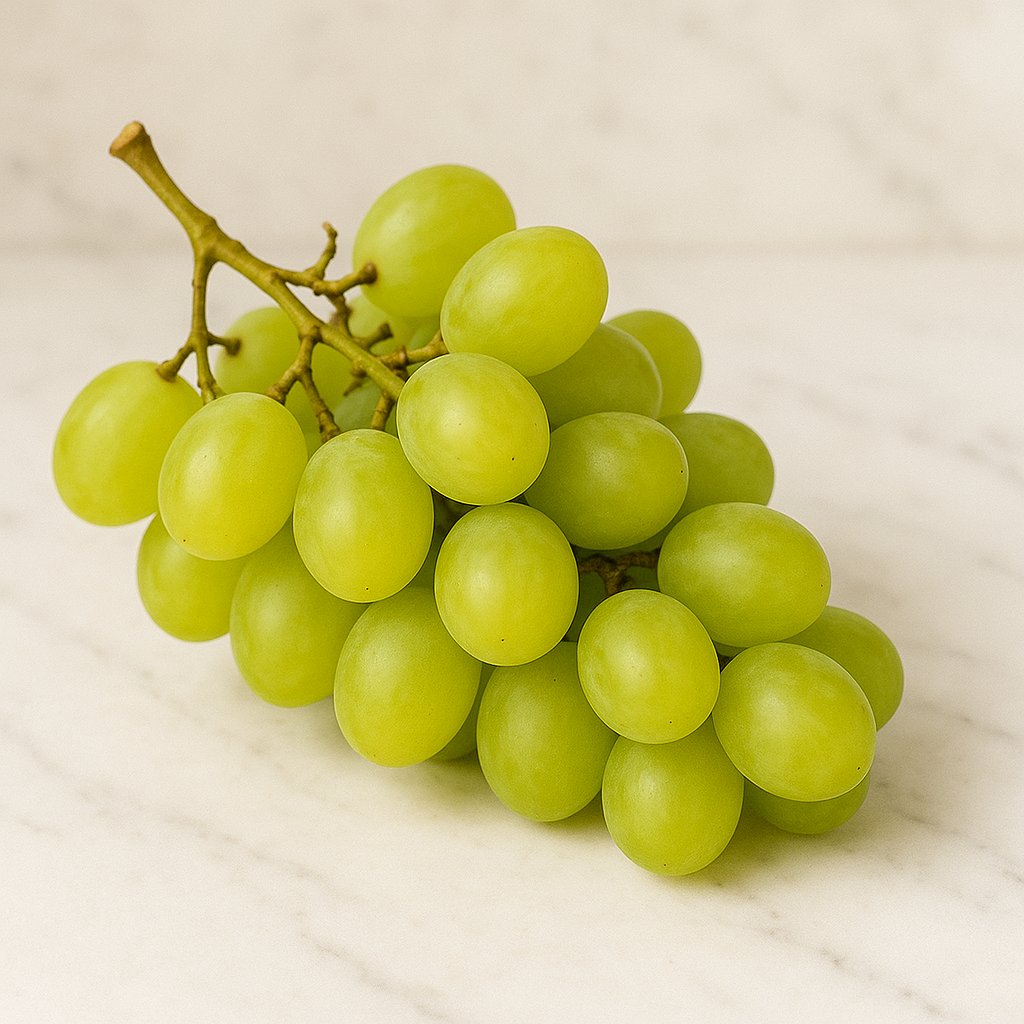
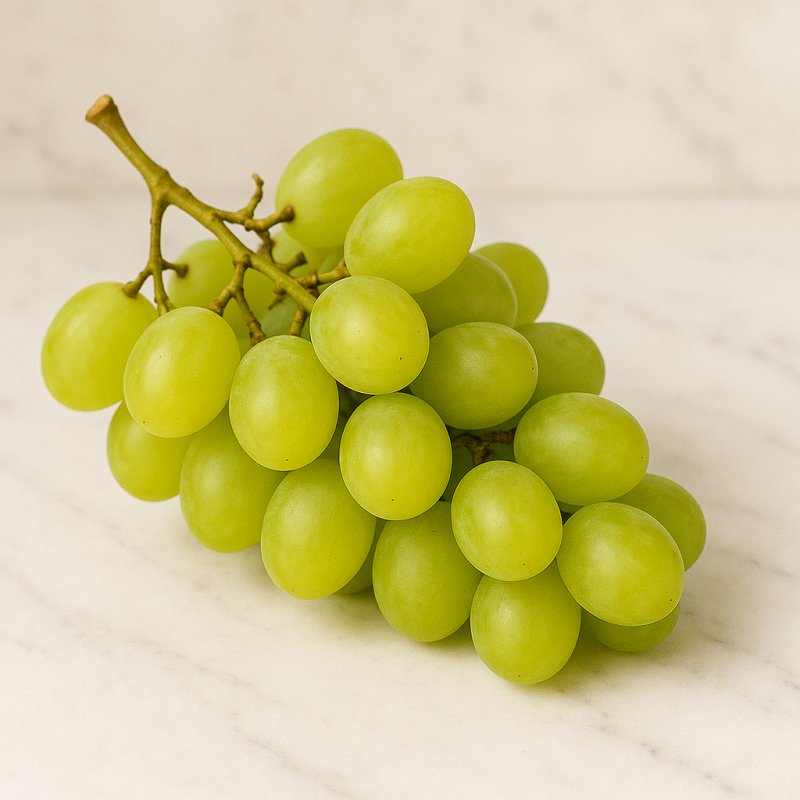
- Table grapes: These grapes are eaten fresh. They are usually larger, have thinner skins and taste juicy. A well-known example is the Thompson Seedless variety (also called Sultana).
- Wine grapes: These varieties are used for wine production. They are often smaller, have thicker skins and more sugar – this helps fermentation into wine. Examples are Cabernet Sauvignon and Chardonnay.
- Raisin or dried grapes: These grapes are dried to make raisins. Some table grapes or special varieties are particularly suitable for drying.
Further differences are color and whether the grapes have seeds:
- Colors: Green (often called "white"), yellowish, red, pink and dark purple to black. Color says something about taste and use.
- Seed content: There are seeded and seedless varieties. Seedless grapes are convenient to eat, especially for children.
Regarding availability: fresh grapes in the northern hemisphere are typically available from late summer to autumn. But because many countries export grapes, you often find them in supermarkets year-round. It works like a long chain: grapes are harvested, cooled and shipped by ship or plane so they stay fresh. If you look for organic grapes, they are sometimes available only in certain stores or at certain times.
A simple tip: if grapes look plump and shiny and are firmly attached to the bunch, they are fresh. Better to leave those with soft spots or a musty smell. That way you will find the tastiest option for your preference – whether for snacking, baking or for grape juice or wine.